
Zigbee works by creating a mesh network of low-power, short-range devices that communicate wirelessly. This allows smart home devices to connect and relay information efficiently, enhancing your smart home experience through reliable communication and energy efficiency.
Last updated: July 14, 2026
Gaining a clear understanding of how Zigbee works is vital for anyone aiming to improve their smart home setup. This efficient communication protocol connects various smart devices effortlessly, allowing them to interact and function harmoniously. The following content will cover the basics of Zigbee technology, its benefits for smart home users, and practical tips for establishing and maintaining a Zigbee network.
- Mesh Networking: Zigbee uses a mesh network to improve communication range and reliability among devices.
- Low Power Consumption: Zigbee is designed to be energy efficient, allowing devices to operate for longer periods.
- Wide Device Compatibility: A variety of smart home devices, including bulbs and sensors, are compatible with Zigbee.
- Robust Security Features: Zigbee incorporates advanced encryption and authentication to secure your smart home network.
How Does Zigbee Work to Enhance Your Smart Home Experience?
Zigbee functions as a low-power, wireless communication standard that facilitates connections among devices in a smart home. It enhances the user experience by allowing multiple devices to collaborate effectively, creating a mesh network that improves coverage and reliability. Understanding the fundamental principles of Zigbee technology reveals how it fosters a more integrated smart home environment. For related context, you may also want to read how does an online hotel booking system work for online website.
The Basics of Zigbee Technology
Zigbee is a wireless communication protocol crafted for cost-effective, low-power applications, such as smart home devices. Based on the IEEE 802.15.4 standard, Zigbee is particularly known for its ability to form mesh networks, enabling devices to relay messages among themselves. Exploring the workings of Zigbee, including its technical specifications and typical applications in smart homes, provides valuable insights for users.
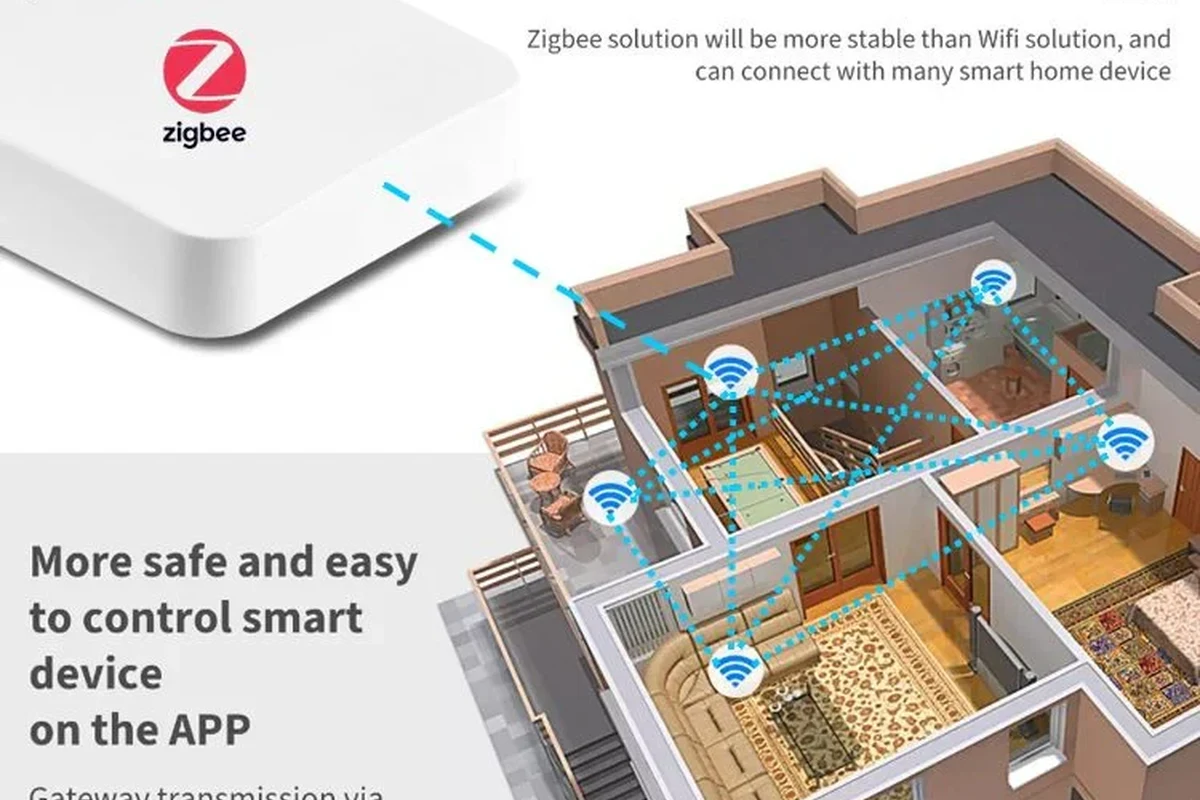
Understanding Zigbee’s Mesh Network
A key feature of Zigbee technology is its mesh networking capability, which allows devices to communicate with each other directly and relay messages. This improves the range and reliability of the network, as devices can act as repeaters for one another. In this subsection, we’ll discuss the structure of a Zigbee mesh network, its advantages, and how it differs from other networking protocols. This connects closely with how does impact radius work if you want to compare the topic in more detail.
- Start with your device model, OS, ports, power needs, and workspace.
- Change one variable at a time so you can identify what helped.
- Check official documentation when specifications, warranty, or safety limits matter.
Why Choose Zigbee for Your Smart Home?
Zigbee presents several appealing advantages for smart home enthusiasts. Its low power consumption, strong security features, and capacity to manage numerous devices simultaneously make it a popular choice. Understanding the benefits of Zigbee technology helps clarify why it is favored over other communication protocols. You can also use how does getresponse work as a helpful next guide on the same tech-accessories topic.
| Feature | Benefit |
|---|---|
| Low Power Consumption | Extends battery life for devices, reducing the need for frequent replacements. |
| Strong Security Features | Protects user data and privacy with advanced encryption methods. |
| Device Management | Supports up to 65,000 devices in a single network, enabling seamless integration. |
| Interference Resistance | Operates on a unique frequency, minimizing disruptions from other wireless devices. |
How Zigbee Communicates with Devices
Zigbee’s communication process involves devices exchanging data using a specific format that prioritizes energy efficiency. Operating within the 2.4 GHz frequency band, commonly used for various wireless communications, Zigbee optimizes the way devices share information. Grasping how devices communicate and the protocols involved is essential for effective use of Zigbee. For related context, you may also want to read how does an online hotel booking system work.
Use this guide for how does zigbee work as a practical checklist, then adjust the advice to your exact device model, operating system, workspace, and budget.
Setting Up Zigbee in Your Smart Home
Setting up Zigbee in your smart home involves integrating a series of devices that communicate wirelessly to create a cohesive environment. Start by ensuring your Zigbee hub is compatible with your smart devices, as this will facilitate seamless communication. After installation, regularly check the connectivity and performance of your devices to ensure they are functioning as intended within your Zigbee network.
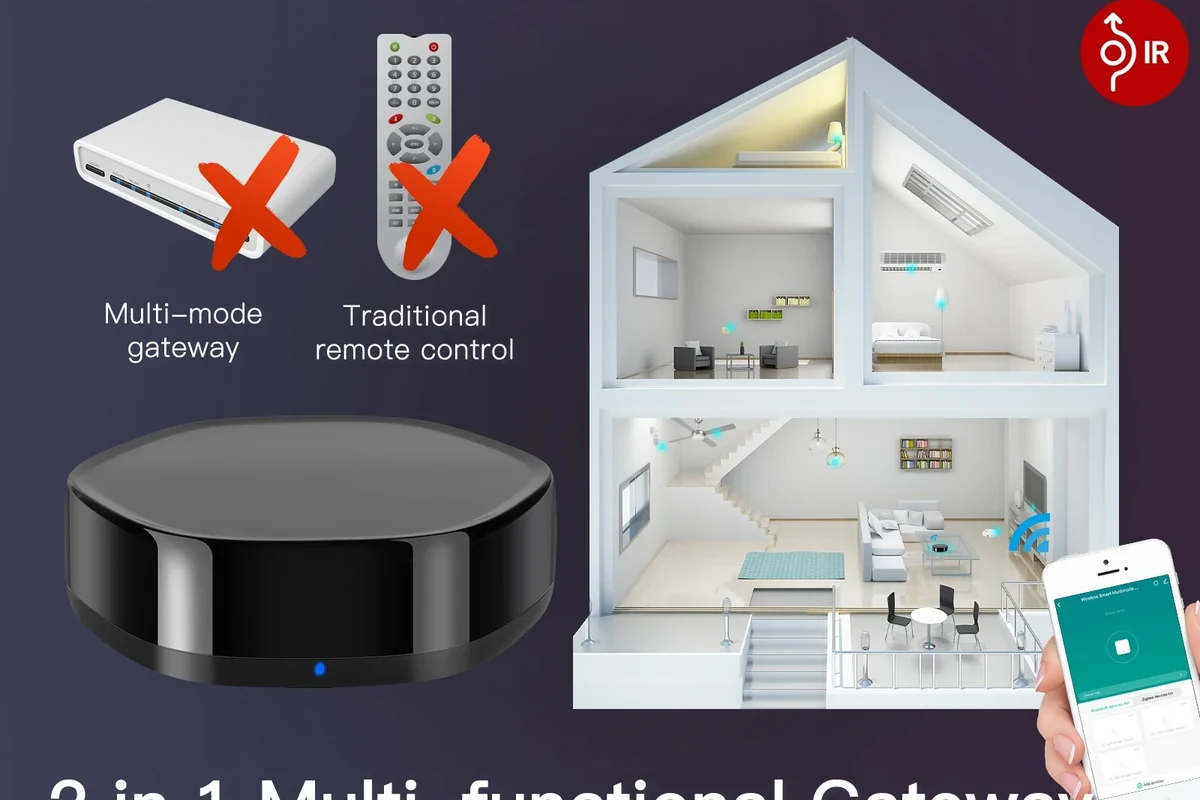
Essential Equipment for a Zigbee Network
To establish a Zigbee network, you’ll need specific equipment that ensures compatibility and functionality. This includes Zigbee-compatible devices, a hub, and possibly repeaters for extended coverage. In this subsection, we’ll provide an overview of the essential equipment needed to successfully set up a Zigbee network.
Step-by-Step Guide to Installation
Installing a Zigbee network involves a series of straightforward steps, including selecting compatible devices and configuring your hub. This guide lays out the entire process to ensure a hassle-free setup. Following these steps will help optimize your Zigbee network for your smart home requirements. For setup context, how does the cj affiliate program work can help you compare similar setup details.
- Choose a Zigbee Hub
Select a compatible hub that supports Zigbee devices.
- Connect Your Devices
Pair your Zigbee devices to the hub using the manufacturer’s instructions.
- Configure Your Network
Set up your devices using the hub’s app to organize and automate their functions.
Common Mistakes When Using Zigbee
Even experienced users can encounter challenges when setting up or managing a Zigbee network. Recognizing common mistakes can prevent unnecessary complications. Highlighting frequent errors and providing tips on how to circumvent them will contribute to a smoother Zigbee experience. This also connects with how does appsumo work if you want to avoid a similar setup or buying mistake.
Small details such as port type, charger wattage, firmware version, desk space, and app permissions can completely change the right answer.
Compatibility: What Devices Work with Zigbee?
Zigbee is compatible with a diverse array of smart devices, making it a versatile option for different smart home configurations. From smart bulbs to security cameras, knowing which devices work with Zigbee is key to creating a cohesive system. Exploring the types of devices that typically support Zigbee will aid in making informed purchasing decisions. For setup context, how to connect smart plug to alexa can help you compare similar setup details.
- Verify specs before buying or changing your setup.
- Keep damaged cables, weak mounts, and overheating devices out of use.
- Prefer simple, reversible fixes before advanced changes.
Safety and Security Features of Zigbee
Safety and security features of Zigbee are crucial in protecting your smart home from unauthorized access. The technology utilizes robust encryption methods and secure authentication processes to safeguard your data and devices from potential threats. By understanding these features, you can better appreciate how Zigbee enhances the overall security of your smart home setup. This also connects with how to set up kasa smart plug if you want to avoid a similar setup or buying mistake.
Alternatives to Zigbee: A Comparison
While Zigbee is a widely adopted choice, it’s beneficial to explore alternative technologies available in the market. Options like Z-Wave, Wi-Fi, and Bluetooth each present unique advantages and limitations. Comparing Zigbee with these alternatives will help you identify the technology that best meets your needs.
Check the official manual, support page, and warranty details when specifications, compatibility, safety, or replacement decisions matter.
Understanding Zigbee’s Impact on Smart Home Purchases
For tech buyers, comprehending how Zigbee operates is crucial for making informed choices when outfitting a smart home. Its unique features, such as energy efficiency and device compatibility, make it an attractive option for creating a connected living space. Summarizing the key aspects of Zigbee provides actionable insights for prospective buyers.
Maintaining Your Zigbee Network
Maintaining your Zigbee network is essential for ensuring it operates at peak performance over time. This includes regularly updating device firmware and checking for any connectivity issues that may arise. By proactively addressing these aspects, you can extend the lifespan of your network and ensure a smooth smart home experience.
Final Words
Zigbee technology provides a practical solution for enhancing your smart home experience. With its low power consumption, effective networking capabilities, and wide-ranging device compatibility, it stands out as a preferred choice among smart home users. By familiarizing yourself with how Zigbee works and adhering to best practices for setup and maintenance, you can cultivate an efficient and integrated smart home environment.
💡 Sufiya Begom's Smart Home Note: Check Wi-Fi band, app permissions, firmware updates, privacy settings, ecosystem support, and safe electrical load before relying on any smart-home device.
Frequently Asked Questions
Questions about Zigbee Work often depend on the exact model, connection method, software support, and daily use case. Similar products can behave differently even when they look alike or share a category name. Check current manufacturer documentation whenever compatibility, safety, privacy, firmware, or warranty details affect the answer.
Start with intended use, fit, verified specifications, safety instructions, care needs, and important limitations.
Start with the exact Zigbee Work model, connection method, compatibility requirements, and the specific result you need. Current manufacturer documentation is the safest place to confirm details that vary by model.
Check the operating system, ports or wireless standard, power requirements, app or driver support, and any ecosystem limitations that apply to the exact setup.
A common mistake is treating every Zigbee Work product or setup as interchangeable. Similar-looking models can differ in ports, software support, power needs, dimensions, or privacy controls.
Use the cleaning, ventilation, inspection, charging, storage, and update guidance that applies to the product type. Disconnect power first whenever the manufacturer instructions require it.
Stop and seek official support when the problem involves overheating, damaged power hardware, unstable mounting, repeated failures, data loss, or a privacy concern you cannot resolve safely.

Sufiya Begom is a Passionate Digital Innovator and the Visionary Founder of the Dynamic Platform, Digital Pro Info. With a deep-rooted enthusiasm for digital technologies, Sufiya has built a comprehensive space that offers valuable insights into digital products, reviews, guides, software, and sales, empowering individuals to make informed decisions in the ever-evolving digital landscape.