
WiFi offers higher bandwidth and easier integration with existing networks, making it ideal for devices requiring significant data transfer. In contrast, Zigbee excels in low power consumption and device-to-device communication, making it better for smart home setups with many battery-operated devices. Ultimately, the choice between wifi vs zigbee smart home depends on specific needs.
Last updated: October 1, 2026
When setting up a smart home, the decision often boils down to choosing between WiFi and Zigbee technologies. Each option has its own set of advantages and drawbacks that can greatly influence your overall smart home experience. Analyzing their functionalities and ideal applications can help you make a more informed choice.
- Start with the setup: Device model, OS, ports, power needs, and workspace change the right answer.
- Check compatibility first: Verify specifications, drivers, firmware, app support, warranty, and return policy before acting.
- Use practical steps: Change one setting or product variable at a time so you can see what.
- Know the limits: Tech advice varies by model, brand, operating system, retailer, firmware version, and official support.
WiFi vs Zigbee Smart Home: Which Technology Suits Your Needs?
Selecting between WiFi and Zigbee for your smart home can be a tough decision due to their differing features. It’s important to grasp the fundamental differences in setup, range, and compatibility before proceeding. Understanding these aspects will help clarify which technology aligns with your needs. For related context, you may also want to read how to setup kasa smart plug for effortless home automation.
Understanding WiFi for Smart Home Devices
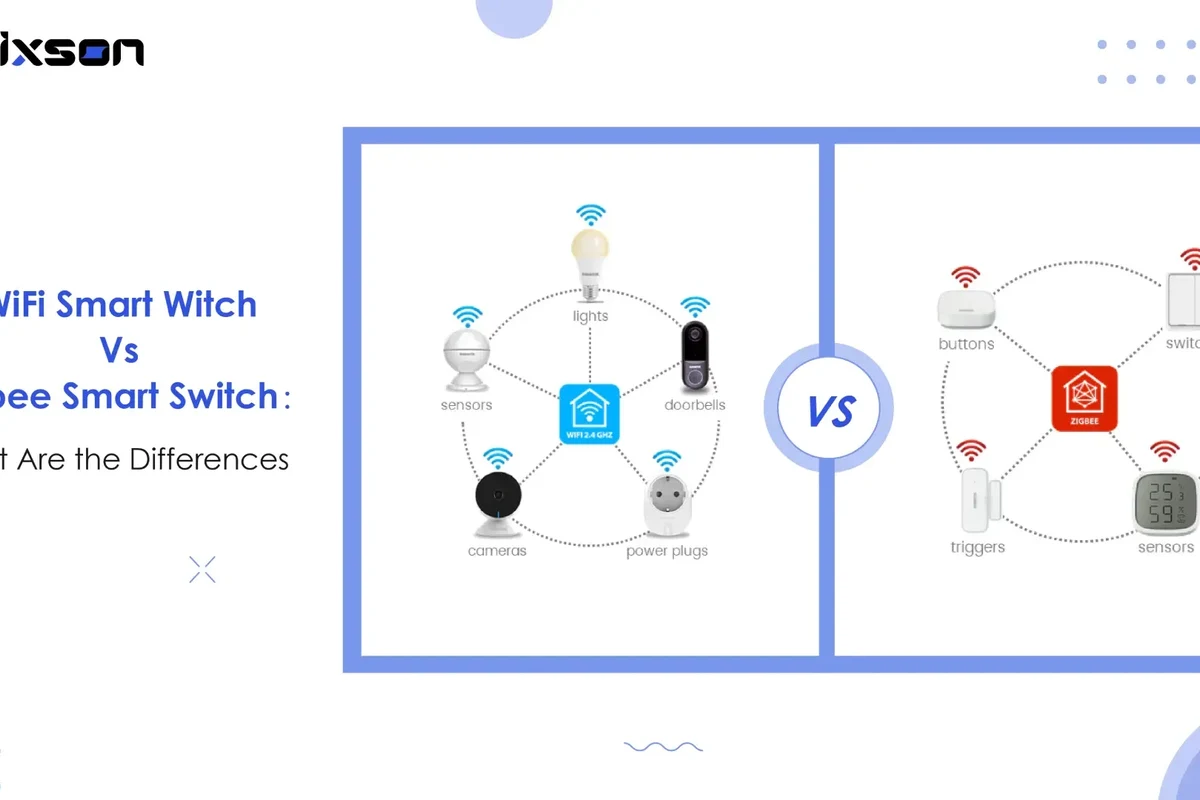
WiFi technology is widely used in homes for internet access and supports various smart devices. Its ease of use and availability make it an appealing option for many consumers. Here, we will delve into how WiFi functions in a smart home environment.
How WiFi Works in Smart Homes
WiFi operates by transmitting data over radio waves, connecting various devices to the internet through a router. In smart homes, WiFi allows devices like cameras, speakers, and bulbs to communicate with each other and be controlled remotely via smartphone apps.
Common WiFi Devices for Home Automation
Many smart devices are compatible with WiFi, making it a versatile choice for home automation. Popular WiFi-enabled devices include smart speakers, security cameras, and smart plugs. These devices typically require a stable internet connection for optimal performance. This connects closely with how to setup gosund smart plug 2 if you want to compare the topic in more detail.
Use this guide for wifi vs zigbee smart home as a practical checklist, then adjust the advice to your exact device model, operating system, workspace, and budget.
The Zigbee Advantage: A Closer Look
Zigbee is a wireless communication protocol tailored for low-power devices. Unlike WiFi, it prioritizes energy efficiency and dependable connectivity. Understanding how Zigbee operates can provide insights into its role in a smart home environment.
| Feature | Zigbee |
|---|---|
| Power Consumption | Low |
| Range | Up to 100 meters |
| Network Size | Supports hundreds of devices |
| Interference | Less prone to interference |
What is Zigbee and How Does It Function?
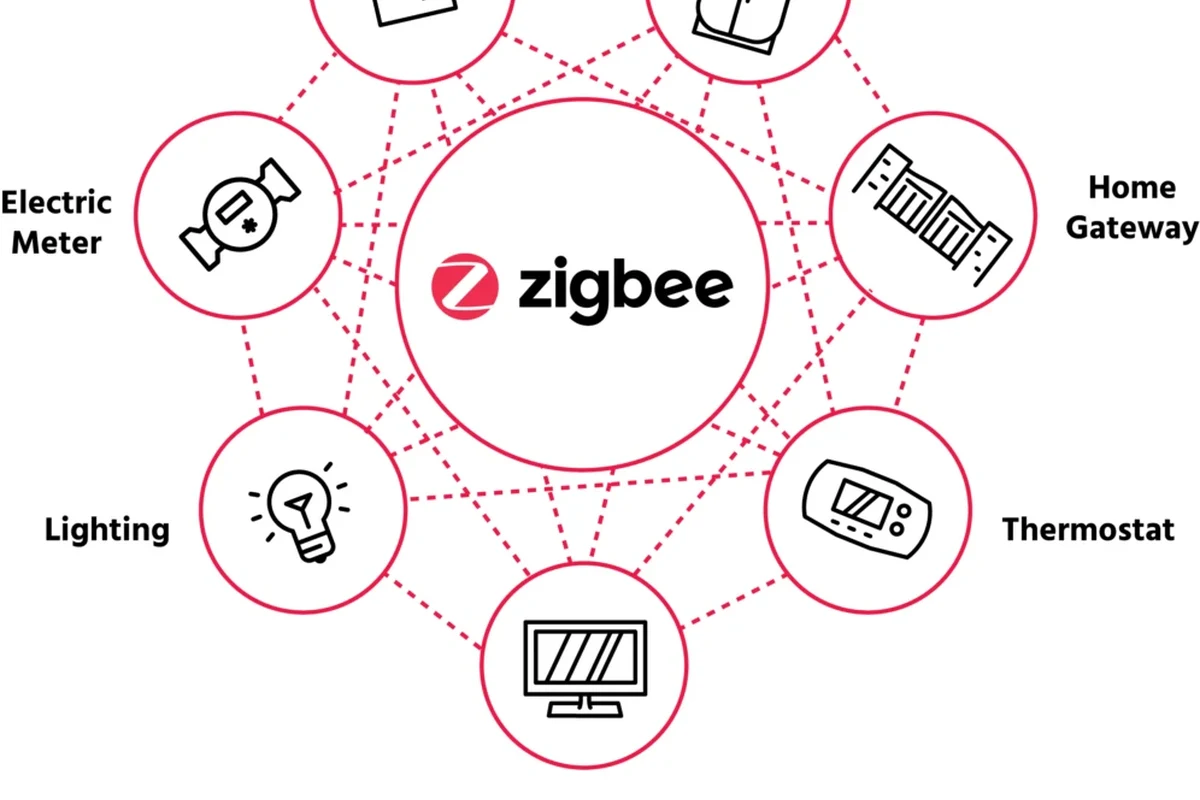
Zigbee is a mesh networking technology that allows devices to communicate over short distances while consuming minimal power. Unlike WiFi, which connects directly to the internet, Zigbee devices connect to a central hub, which then communicates with the internet, creating a more energy-efficient network.
Popular Zigbee-Compatible Devices
Many popular smart devices are compatible with Zigbee, including smart lighting, sensors, and locks. These devices benefit from lower energy consumption and longer battery life, making them ideal for users looking to minimize energy usage in their smart home. You can also use how to setup smart plug with alexa 2 as a helpful next guide on the same tech-accessories topic.
Comparing Range, Speed, and Reliability
Range, speed, and reliability are vital factors when comparing WiFi and Zigbee. Evaluating how each technology performs in these areas can guide your decision-making process and help you choose the best fit for your smart home setup.
WiFi Range vs Zigbee Range: What to Expect
WiFi generally has a longer range compared to Zigbee, with the ability to cover distances of up to 300 feet indoors. Zigbee, on the other hand, typically covers about 30-100 feet but can extend its range through mesh networking, allowing devices to relay signals to one another.
| Option | Best For | What to Check |
|---|---|---|
| WiFi | High-bandwidth devices like cameras | Router location and internet speed |
| Zigbee | Energy-efficient devices | Hub compatibility and device placement |
Speed Considerations for Smart Home Devices
WiFi offers higher speeds, essential for streaming and real-time video feeds, making it suitable for devices like security cameras and smart TVs. Zigbee, while slower, is adequate for devices that require less bandwidth, such as light bulbs and sensors.
Reliability in Connectivity: WiFi vs Zigbee
WiFi connections can be affected by interference from other electronic devices or physical barriers, while Zigbee’s mesh network can provide more stable connections by allowing devices to communicate directly with one another. This can enhance reliability, particularly in larger homes. You can also use how smart plugs work setup compatibility safety tips as a helpful next guide on the same setup or usability topic.
This guide on wifi vs zigbee smart home is written for general digital-information education. For specifications, compatibility, prices, availability, firmware/software versions, warranty terms, recalls, privacy settings, or safety limits, confirm details with the official manual, manufacturer page, retailer listing, warranty document, or current support notice before acting.
Power Consumption: Which is More Efficient?
Power consumption plays a significant role in the choice between WiFi and Zigbee, particularly for battery-powered devices. Exploring the energy efficiency of both technologies can inform your decision and help you select the most suitable option for your needs.
Understanding Energy Usage in WiFi Devices
WiFi devices tend to consume more power due to their constant connection to the internet. This can be a concern for battery-operated devices, as frequent charging or replacing batteries may be necessary.
Zigbee’s Low Power Consumption Benefits
Zigbee is designed for low-power applications, making it ideal for devices that need to run on batteries for extended periods. This energy efficiency can lead to longer battery life and reduced electricity costs. This connects closely with how to setup gosund smart plug if you want to compare the topic in more detail.
Compatibility and Ecosystem Integration
Compatibility with your current devices and systems is crucial when selecting a smart home technology. Understanding the integration challenges and benefits of using WiFi and Zigbee can help you navigate the complexities of creating a cohesive smart home environment.
WiFi Device Compatibility Challenges
While many devices use WiFi, compatibility can vary widely among brands and models. Users may encounter challenges when attempting to integrate devices from different manufacturers, leading to potential connectivity issues.
Zigbee’s Interoperability with Various Brands
Zigbee is designed to work across various brands and products, allowing for better interoperability. Many Zigbee-compatible devices can communicate with one another, creating a seamless smart home experience. You can also use how to setup smart plug with alexa as a helpful next guide on the same tech-accessories topic.
Ensure you evaluate your current and future smart home needs before deciding between WiFi and Zigbee.
Setting Up Your Smart Home: Step-by-Step Guidance
Setting up smart home devices can vary significantly between WiFi and Zigbee. This section provides practical guidance for both technologies to ensure a smooth installation process.
How to Set Up WiFi Smart Devices
To set up WiFi smart devices, connect them to your home network via the manufacturer’s app. Ensure your router is functioning correctly and within range of the devices. Following the app’s prompts will guide you through the configuration process.
Setting Up Zigbee Devices: What You Need to Know
Setting up Zigbee devices involves connecting them to a central hub, which manages communication between devices and the internet. After installing the hub, use the manufacturer’s app to add devices to your network, following the specific instructions provided. For related context, you may also want to read how to setup kasa smart plug.
- Check your device model, OS, ports, power needs, warranty, and daily use case.
- Check product specs, compatibility, workspace fit, connection type, safety, and return policy.
- Check the manual, official support page, and current firmware or driver notes when compatibility matters.
Common Mistakes to Avoid When Choosing Your Smart Home System
Choosing the right smart home system can be challenging, especially with various technologies available. Users often overlook compatibility of devices, which can lead to frustrating experiences during setup or troubleshooting. Ensure that your selected devices seamlessly integrate with your chosen WiFi or Zigbee network to avoid issues.
Misunderstanding Device Compatibility
One common mistake is assuming that all devices will work together seamlessly. Always check compatibility between devices before purchasing to avoid connectivity issues later.
Overlooking Network Security Concerns
Security is paramount in smart home setups, yet many users neglect this aspect. Ensure your network is secure, using strong passwords and regularly updating firmware on devices to protect against vulnerabilities.
Ignoring Future Expansion Needs
Planning for future expansions is crucial. Choose a technology that can easily accommodate new devices as your smart home grows, whether through additional WiFi bandwidth or Zigbee’s mesh networking capabilities. This connects closely with how to setup amazon smart plug if you want to compare the topic in more detail.
Safety, Privacy, and Maintenance Considerations
Safety, Privacy, and Maintenance Considerations should protect the device surface, ports, vents, sensors, and powered parts while removing normal dust or buildup. For wifi vs zigbee smart home, follow the manufacturer cleaning guidance and disconnect power whenever the instructions require it.
Security Risks Associated with WiFi Networks
WiFi networks can pose security risks if not properly secured. Implementing strong security measures such as WPA3 encryption and frequently changing passwords is vital to safeguarding your devices and personal information from potential threats.
Zigbee’s Built-in Security Features
Zigbee employs robust security features, including data encryption and secure key management, to protect communications between devices. This built-in security can provide peace of mind for users concerned about privacy.
- Look for smart devices that are compatible with both WiFi and Zigbee for flexibility.
- Consider the layout of your home when choosing between technologies.
- Regularly update software on your devices to maintain security.
Alternatives to WiFi and Zigbee for Smart Home Setup
While WiFi and Zigbee are popular options, there are other technologies worth considering for your smart home setup. Exploring these alternatives may uncover solutions that better fit your specific requirements and preferences.
Exploring Z-Wave as a Viable Option
Z-Wave is another wireless protocol designed for smart home devices, similar to Zigbee but with its own set of benefits and limitations. It also uses a mesh network, providing reliable connectivity and low power consumption.
Bluetooth LE for Short-Range Smart Devices
Bluetooth Low Energy (BLE) is suitable for short-range devices, offering a simple connection for things like fitness trackers and smart locks. While it has limited range and speed, it can be ideal for specific applications in a smart home.
Understanding Your Smart Home Connectivity Choices
Choosing between WiFi and Zigbee for your smart home largely depends on your specific needs and usage scenarios. WiFi is great for high-bandwidth applications, while Zigbee excels in energy efficiency and device interoperability. Evaluate your device requirements and future needs before making a decision.
Final Words
Ultimately, the choice between WiFi and Zigbee for your smart home setup hinges on various factors, including device compatibility, range, power consumption, and future expansion needs. By carefully considering these aspects, you can create a smart home that meets your requirements and enhances your daily life.
💡 Sufiya Begom's Smart Home Note: Check Wi-Fi band, app permissions, firmware updates, privacy settings, ecosystem support, and safe electrical load before relying on any smart-home device.
Frequently Asked Questions
Questions about Wi-Fi Zigbee Smart Home often depend on the exact model, connection method, software support, and daily use case. Similar products can behave differently even when they look alike or share a category name. Check current manufacturer documentation whenever compatibility, safety, privacy, firmware, or warranty details affect the answer.
Start with intended use, fit, verified specifications, safety instructions, care needs, and important limitations.
Start with the exact Wi-Fi Zigbee Smart Home model, connection method, compatibility requirements, and the specific result you need. Current manufacturer documentation is the safest place to confirm details that vary by model.
Check the operating system, ports or wireless standard, power requirements, app or driver support, and any ecosystem limitations that apply to the exact setup.
A common mistake is treating every Wi-Fi Zigbee Smart Home product or setup as interchangeable. Similar-looking models can differ in ports, software support, power needs, dimensions, or privacy controls.
Use the cleaning, ventilation, inspection, charging, storage, and update guidance that applies to the product type. Disconnect power first whenever the manufacturer instructions require it.
Stop and seek official support when the problem involves overheating, damaged power hardware, unstable mounting, repeated failures, data loss, or a privacy concern you cannot resolve safely.

Sufiya Begom is a Passionate Digital Innovator and the Visionary Founder of the Dynamic Platform, Digital Pro Info. With a deep-rooted enthusiasm for digital technologies, Sufiya has built a comprehensive space that offers valuable insights into digital products, reviews, guides, software, and sales, empowering individuals to make informed decisions in the ever-evolving digital landscape.