
Yes, you can install a smart garage door without an existing opener by using a smart garage door conversion kit. Follow the manufacturer’s instructions for mounting the smart hub, connecting it to your garage door mechanism, and configuring the app for remote access.
Last updated: November 3, 2026
Transforming your garage into a smart space can seem daunting, especially if you’re wondering how to install smart garage door without existing opener. Fortunately, innovative smart garage door conversion kits enable homeowners to upgrade their garages seamlessly.
In this guide, we’ll walk you through the essential steps for mounting the smart hub and connecting it to your garage door mechanism for effortless remote access.
- Start with the setup: Device model, OS, ports, power needs, and workspace change the right answer.
- Check compatibility first: Verify specifications, drivers, firmware, app support, warranty, and return policy before acting.
- Use practical steps: Change one setting or product variable at a time so you can see what.
- Know the limits: Tech advice varies by model, brand, operating system, retailer, firmware version, and official support.
How to Install a Smart Garage Door Without Existing Opener
Installing a smart garage door system without a pre-existing opener can seem daunting, but with the right tools and knowledge, it can be a manageable DIY project. This section outlines the overall process and what to expect as you proceed with your installation. For setup context, who can install smart camera garage door can help you compare similar setup details.
Understanding Smart Garage Door Systems
Smart garage door systems allow you to control your garage door remotely, enhancing convenience and security. These systems often include features such as smartphone app control, voice command compatibility, and security alerts, making them popular among homeowners. This connects closely with how to install philips smart lock if you want to compare the topic in more detail.
Use this guide for how to install smart garage door without existing opener as a practical checklist, then adjust the advice to your exact device model, operating system, workspace, and budget.
Essential Tools and Materials for Installation
Gathering the right tools and materials is crucial for a smooth installation process. Below are the key items you will need to successfully install your smart garage door system. For setup context, how to install a smart lock common mistakes to avoid can help you compare similar setup details.
| Tool/Material | Purpose | Recommended Type |
|---|---|---|
| Drill | For making holes in the garage wall | Cordless drill |
| Screwdriver Set | For securing brackets and components | Magnetic tip preferred |
| Measuring Tape | To ensure proper placement of the opener | At least 25 feet |
| Smart Garage Door Opener Kit | Main component for smart operation | Compatible with your garage door type |
| Level | To ensure correct alignment during installation | Standard 24-inch level |
Small details such as port type, charger wattage, firmware version, desk space, and app permissions can completely change the right answer.
Step-by-Step Guide to Installing Your Smart Garage Door
Follow this detailed guide to install your smart garage door system efficiently. By adhering to these steps, you can ensure everything is set up correctly.
Preparing Your Garage for Installation
Before starting the installation, it’s essential to prepare your garage. This includes clearing the area, ensuring you have adequate lighting, and reading through the installation manual provided with your smart garage door opener.
- Clear any clutter around the garage door.
- Check for electrical outlets to power the smart opener.
- Ensure you have good lighting for visibility during installation.
Mounting the Smart Garage Door Mechanism
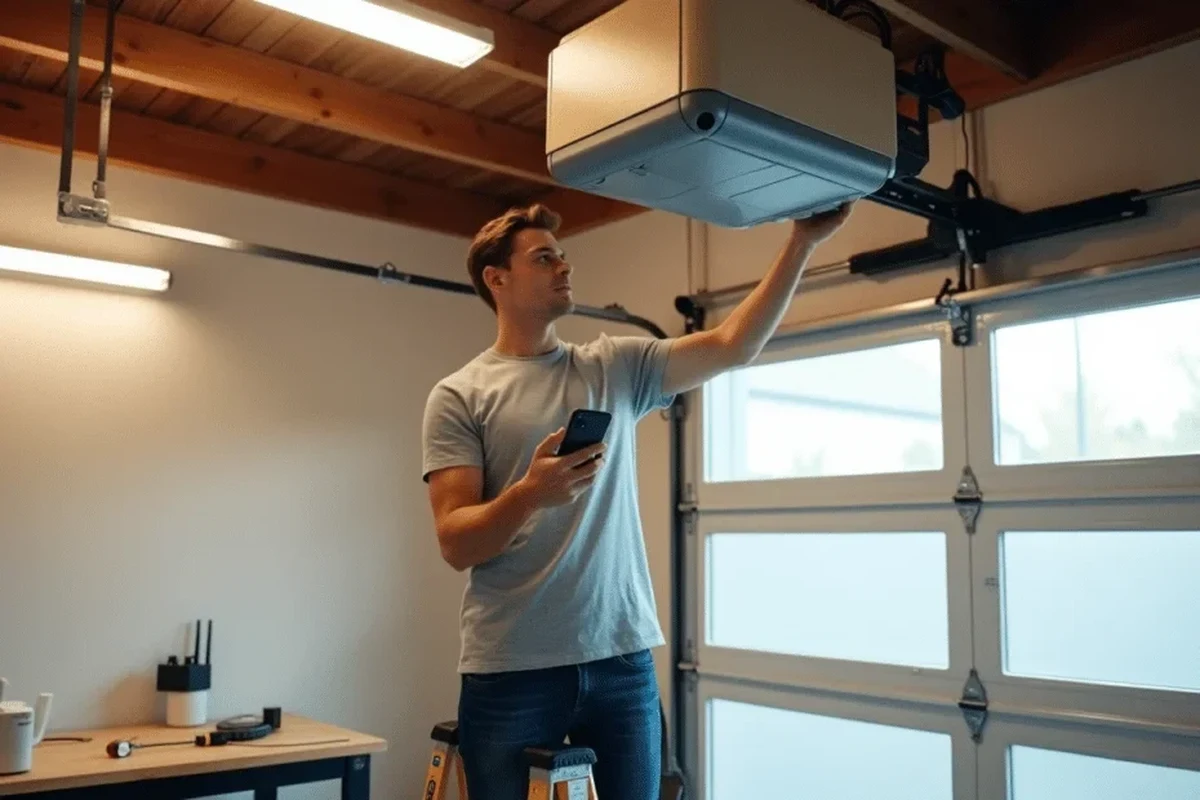
Once your garage is prepared, you can begin mounting the smart opener. This step is crucial for ensuring that the opener functions correctly and safely.
- Choose the Mounting Location
Identify a suitable spot on the ceiling or wall where the opener will be mounted. It should be close to the garage door and an electrical outlet.
- Secure the Mounting Bracket
Use the drill to secure the mounting bracket according to the instructions in your smart garage door kit. Make sure it is level.
- Attach the Opener
Connect the smart opener to the mounting bracket using the screws provided. Ensure it is tightly secured.
Connecting to Power and Wi-Fi
After mounting the opener, the next step is to connect it to power and your home Wi-Fi network. This will allow you to control the garage door remotely.
Plug the smart garage door opener into the nearest electrical outlet. Follow the device’s instructions to connect to your home Wi-Fi network. Download the corresponding app on your smartphone for remote access. You can also use how to install keyless door lock as a helpful next guide on the same setup or usability topic.
Compatibility Checks: Ensuring Your Smart Garage Door Works with Your Garage
Before finalizing the installation, it’s vital to check that your smart garage door system is compatible with your garage door type. Different systems may have specific requirements. For setup context, how to install keyless door locks can help you compare similar setup details.
- Verify the weight and size of your garage door.
- Check if your door is sectional, tilt-up, or roller; compatibility varies.
- Consult the smart garage door opener’s specifications for supported door types.
- Write down the exact error or behavior before changing settings.
- Test with another cable, port, or device when safe.
- Keep firmware, drivers, and apps updated from official sources.
Common Mistakes to Avoid During Installation
Installation mistakes can lead to functionality issues or safety hazards, making the process frustrating. To avoid these pitfalls, double-check compatibility with your garage setup and ensure proper alignment of the smart garage door system. Taking the time to carefully follow instructions will provide peace of mind.
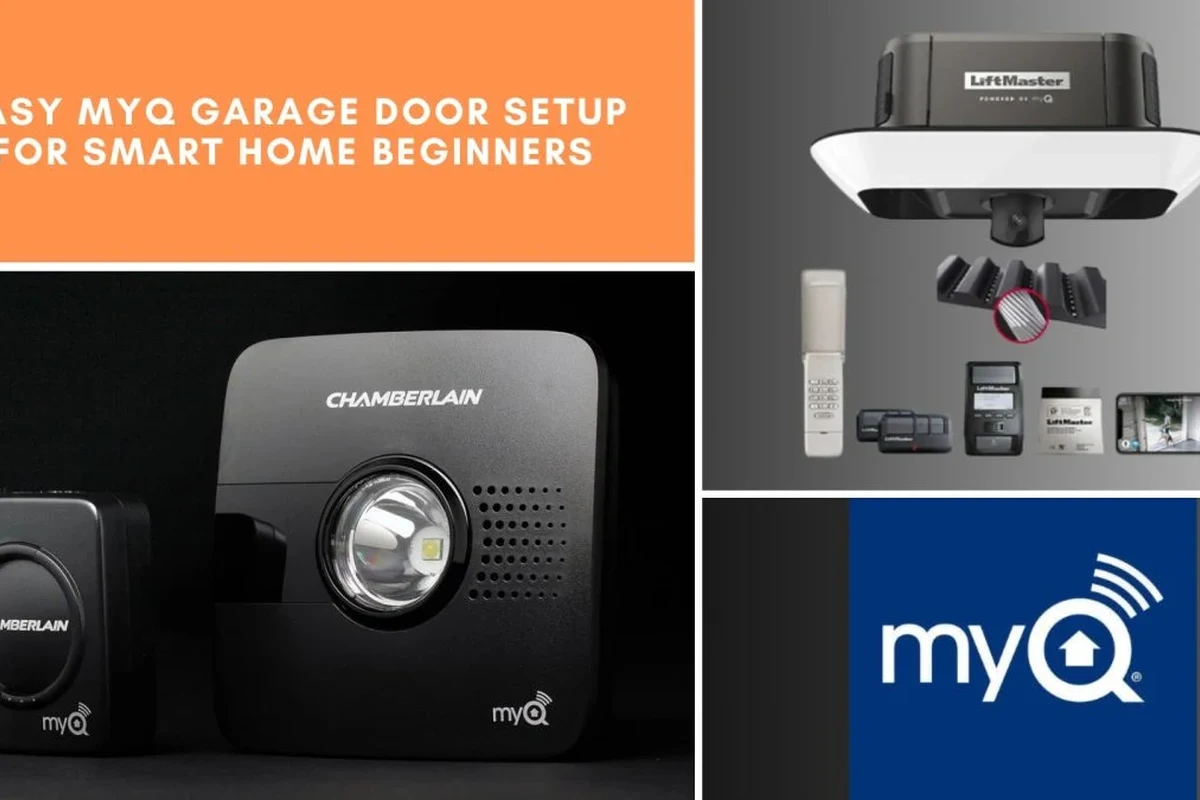
Neglecting to read the installation manual thoroughly can lead to errors. Improperly leveling the opener may cause operational issues. Forgetting to check Wi-Fi signal strength in the garage can affect functionality. This also connects with how to install smart lock if you want to avoid a similar setup or buying mistake.
Safety and Privacy Considerations When Using Smart Garage Doors
When using smart garage doors, prioritizing safety and privacy is essential for protecting your home. Ensure that your device has robust encryption and consider implementing two-factor authentication for added security. Be mindful of how your smart door interacts with other home automation systems to maintain privacy. For related safety context, compare this with how to install a lock on a door.
- Use strong passwords for your smart garage door app to prevent unauthorized access.
- Regularly update the device’s firmware to protect against vulnerabilities.
- Consider installing additional security measures, such as cameras or motion sensors.
Use official support or warranty guidance if the issue involves overheating, power, damaged cables, unstable mounting, privacy risk, data loss, or repeated failures.
Maintenance Tips for Optimal Performance
Regular maintenance is crucial for ensuring your smart garage door operates efficiently over time. Schedule periodic checks on the hardware and software, including battery life and software updates, to prevent unexpected malfunctions. Establishing a routine will help you enjoy the full benefits of your smart system.
Check the alignment and balance of the garage door periodically. Clean and lubricate the moving parts every few months. Test the smart features and app functionality regularly to ensure they work correctly. This connects closely with how to setup kasa smart plug for effortless home automation if you want to compare the topic in more detail.
This guide on how to install smart garage door without existing opener is written for general digital-information education. For specifications, compatibility, prices, availability, firmware/software versions, warranty terms, recalls, privacy settings, or safety limits, confirm details with the official manual, manufacturer page, retailer listing, warranty document, or current support notice before acting.
When to Consider Professional Help for Installation
While many homeowners can successfully install a smart garage door opener, some situations may require professional assistance. Here are scenarios where hiring a professional might be beneficial.
- If your garage door is unusually heavy or requires special mounting.
- When electrical work is necessary, such as installing new outlets.
- If you encounter compatibility issues that are difficult to resolve.
Ensuring Compatibility Before Installing Your Smart Garage Door
how to install smart garage door without existing opener should be handled by checking compatibility first, then changing one setting, cable, driver, app permission, or connection step at a time. Avoid risky shortcuts and use official support when power, heat, privacy, warranty, or repeated failure is involved.
Confirm the exact device model, operating system, and connection type. Try the safest reversible steps before resets, replacements, or advanced changes. Use official manuals, firmware notes, and warranty support when the issue repeats.
Final Words
Successfully installing a smart garage door without an existing opener enhances your home’s modern convenience and security. By following the outlined steps carefully and considering potential challenges, you can ensure a smooth installation process. If difficulties arise, reaching out to a professional can save you time and effort.
💡 Sufiya Begom's Smart Home Note: Check Wi-Fi band, app permissions, firmware updates, privacy settings, ecosystem support, and safe electrical load before relying on any smart-home device.
Frequently Asked Questions
Questions about Install Smart Garage Door Without often depend on the exact model, connection method, software support, and daily use case. Similar products can behave differently even when they look alike or share a category name. Check current manufacturer documentation whenever compatibility, safety, privacy, firmware, or warranty details affect the answer.
Start with intended use, fit, verified specifications, safety instructions, care needs, and important limitations.
Start with the exact Install Smart Garage Door Without model, connection method, compatibility requirements, and the specific result you need. Current manufacturer documentation is the safest place to confirm details that vary by model.
Check the operating system, ports or wireless standard, power requirements, app or driver support, and any ecosystem limitations that apply to the exact setup.
A common mistake is treating every Install Smart Garage Door Without product or setup as interchangeable. Similar-looking models can differ in ports, software support, power needs, dimensions, or privacy controls.
Use the cleaning, ventilation, inspection, charging, storage, and update guidance that applies to the product type. Disconnect power first whenever the manufacturer instructions require it.
Stop and seek official support when the problem involves overheating, damaged power hardware, unstable mounting, repeated failures, data loss, or a privacy concern you cannot resolve safely.

Sufiya Begom is a Passionate Digital Innovator and the Visionary Founder of the Dynamic Platform, Digital Pro Info. With a deep-rooted enthusiasm for digital technologies, Sufiya has built a comprehensive space that offers valuable insights into digital products, reviews, guides, software, and sales, empowering individuals to make informed decisions in the ever-evolving digital landscape.