
Look for monitor arm features like adjustable height, tilt, and swivel for ergonomic positioning. Ensure compatibility with your monitor’s size and weight, and check for sturdy construction and easy installation when considering what to look for monitor arm.
Last updated: November 20, 2026
When evaluating what to look for in a monitor arm, focus on compatibility, adjustability, and ergonomics. Selecting the right monitor arm can greatly improve your workspace by enhancing comfort and productivity. This guide outlines the key factors to consider for making a well-informed choice.
- Start with the setup: Device model, OS, ports, power needs, and workspace change the right answer.
- Check compatibility first: Verify specifications, drivers, firmware, app support, warranty, and return policy before acting.
- Use practical steps: Change one setting or product variable at a time so you can see what.
- Know the limits: Tech advice varies by model, brand, operating system, retailer, firmware version, and official support.
What to Look for in a Monitor Arm
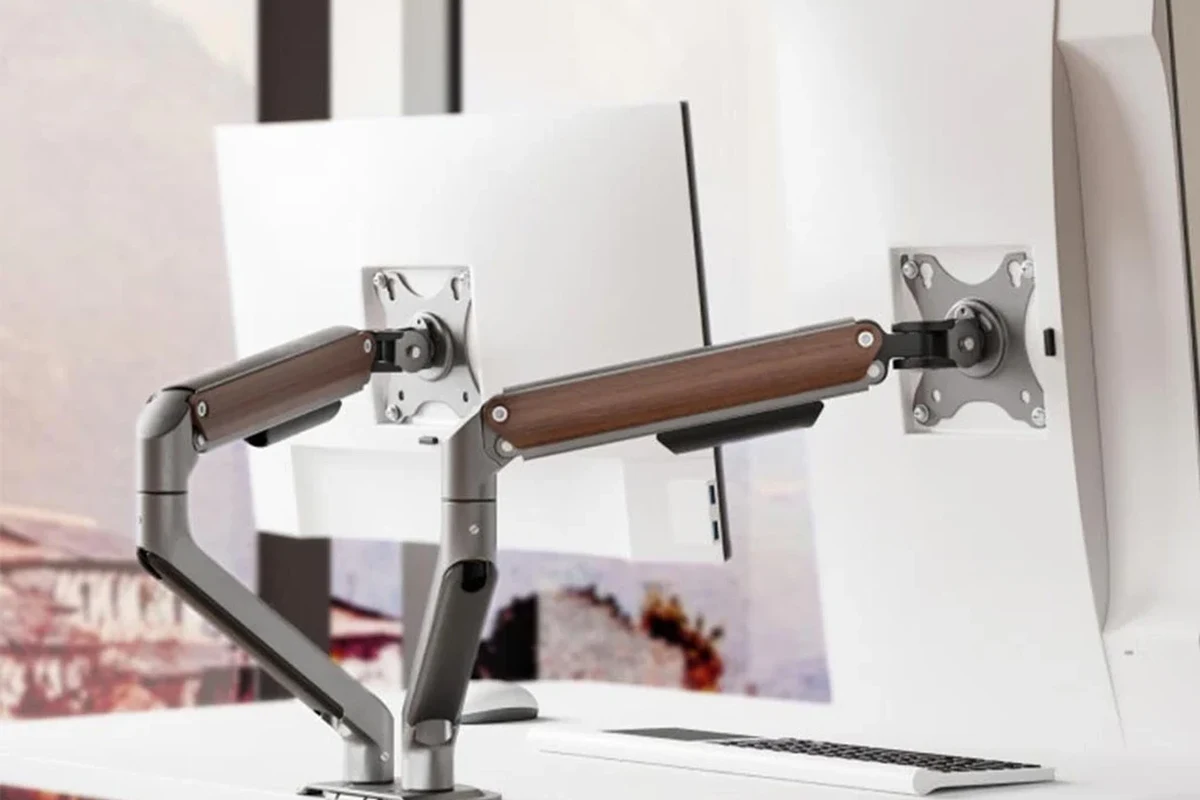
Choosing the right monitor arm involves understanding various features that enhance usability and comfort. It’s not just about aesthetics; the right arm can improve your workspace’s ergonomics and overall functionality. Here’s what you should consider when selecting a monitor arm. For related context, you may also want to read what is a smart key for door.
Understanding Monitor Arm Compatibility
Compatibility is crucial when selecting a monitor arm, as it determines whether the arm will properly support your monitor. Considerations include weight capacity, monitor size, and mounting standards, which are essential for a secure fit.
Weight Capacity and Monitor Size
Each monitor arm has a specific weight capacity and size range that it can support. Knowing your monitor’s weight and dimensions is vital to ensure the arm can safely hold it without risk of damage or failure.
- Check your monitor’s weight and dimensions before purchasing.
- Verify the arm’s weight capacity against your monitor’s specifications.
- Consider future upgrades; choose an arm that can accommodate larger monitors.
VESA Mounting Standards
Most monitors adhere to VESA (Video Electronics Standards Association) mounting standards, which define the mounting hole patterns on the back of your monitor. Ensure that the monitor arm you choose is compatible with these standards for a seamless installation.
Standard VESA sizes include 75mm x 75mm and 100mm x 100mm. Confirm your monitor’s VESA compatibility in the specifications. Adapters are available for non-VESA monitors, but these may limit mobility. This connects closely with what to use smart plugs for to simplify your home automation if you want to compare the topic in more detail.
Use this guide for what to look for monitor arm as a practical checklist, then adjust the advice to your exact device model, operating system, workspace, and budget.
Key Features That Enhance Functionality
Monitor arms come with various features that can enhance your workspace. Understanding these functionalities helps in selecting an arm that fits your specific needs for adjustability and desk space management.
| Feature | Description |
|---|---|
| Adjustability | Allows height, tilt, and swivel adjustments to improve ergonomic positioning. |
| Weight Capacity | Supports monitors of various weights, ensuring stability and safety. |
| Mounting Options | Different mounting types (clamp, grommet) to fit various desk setups. |
| Cable Management | Built-in systems to organize and conceal cables for a tidy workspace. |
Adjustability: Height, Tilt, and Rotation
One of the most significant benefits of monitor arms is their adjustability. Features like height adjustment, tilt, and rotation allow for a customized viewing experience, which is essential for ergonomic setups.
- Look for arms with gas-spring mechanisms for easy height adjustments.
- Ensure the arm allows tilting and rotation to reduce glare and improve viewing angles.
- Check if it supports portrait and landscape orientations for versatility.
Desk Space and Clamping Options
Monitor arms can help save valuable desk space by elevating your monitor. Different mounting options, such as clamp or grommet mounts, can affect your desk’s layout and usability.
Clamp mounts attach to the edge of the desk; ensure your desk thickness is compatible. Grommet mounts require a pre-drilled hole in the desk surface. Consider arms with integrated cable management features to reduce clutter. You can also use what to use smart plugs for as a helpful next guide on the same tech-accessories topic.
Small details such as port type, charger wattage, firmware version, desk space, and app permissions can completely change the right answer.
Ergonomics: Why It Matters for Your Setup
Ergonomics is crucial for ensuring comfort and minimizing strain during long hours at your computer. A suitable monitor arm can improve your posture and overall workspace ergonomics, contributing to a healthier work environment.
Posture Improvement and Eye Level Alignment
Proper monitor height is crucial to maintaining good posture. An adjustable monitor arm allows you to position the monitor at eye level, reducing neck strain and promoting a healthier seating posture.
- Set your monitor so that the top of the screen is at or slightly below eye level.
- Adjust the distance to ensure the screen is about an arm’s length away.
- Consider using a footrest to further enhance your sitting posture.
Reducing Neck and Back Strain
Improper monitor placement can lead to neck and back pain over time. By using a monitor arm, you can adjust the screen’s position to a more comfortable angle, alleviating potential strain.
Regularly adjust your monitor position based on your seating posture. Incorporate standing time to reduce prolonged sitting. Take breaks to stretch and relieve tension in your back and neck. For related context, you may also want to read what do you need for smart lights.
Connection Types: What You Need to Know
Understanding the connection types available can help you ensure that your monitor arm is compatible with your setup. Different configurations can affect overall performance and usability.
Wired vs. Wireless Configurations
Most setups will use wired connections, but wireless options are becoming increasingly popular. Consider how your devices connect to determine the best setup for your workspace.
- Check for adequate USB ports if using wired peripherals.
- Consider Bluetooth or wireless options if your setup allows for it.
- Ensure your monitor arm does not obstruct any necessary ports or connections.
Managing Cables Effectively
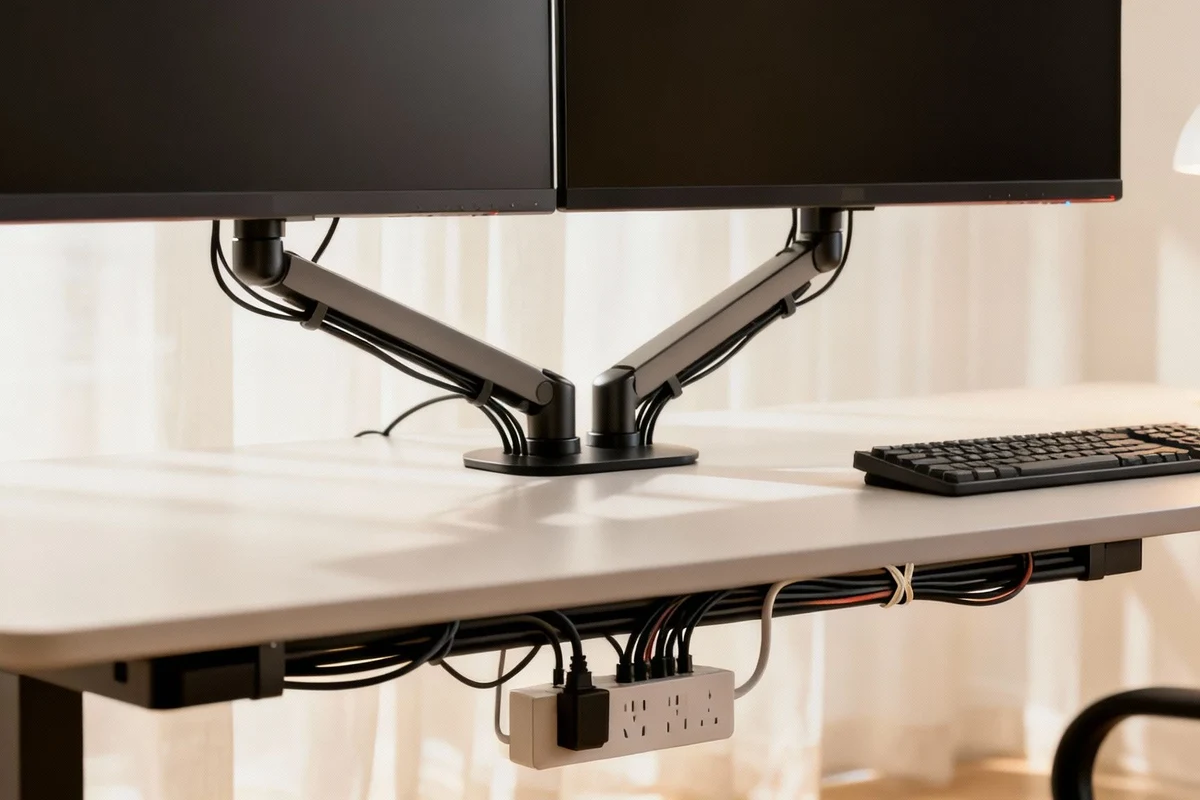
Cable management is essential for maintaining a tidy workspace. Many monitor arms come with built-in cable management solutions to help keep cords organized and out of sight.
Choose an arm with integrated cable management features. Use cable ties to bundle excess cables together. Regularly check for cable wear and tear to prevent damage. This connects closely with what is matter protocol for smart home if you want to compare the topic in more detail.
- Verify specs before buying or changing your setup.
- Keep damaged cables, weak mounts, and overheating devices out of use.
- Prefer simple, reversible fixes before advanced changes.
Performance: Stability and Durability
The performance of a monitor arm directly impacts its effectiveness. A stable and durable arm will provide long-term usability without the need for frequent replacements or adjustments.
Material Quality and Build Standards
The materials used in a monitor arm influence its stability and durability. High-quality metals are typically stronger and more reliable compared to plastic options.
- Look for arms made of aluminum or steel for better durability.
- Check for reviews regarding the arm’s stability under heavy loads.
- Consider the arm’s finish; powder-coated surfaces often resist scratches and wear.
Long-Term Maintenance Considerations
While monitor arms generally require minimal maintenance, understanding how to care for them can extend their lifespan. Regular inspections can help identify any issues before they become significant problems.
Periodically check the tightness of all screws and joints. Clean the arm with a soft cloth to remove dust and debris. Inspect for signs of wear or damage regularly to ensure safety. You can also use how to set up a smart plug for effortless home automation as a helpful next guide on the same tech-accessories topic.
Common Mistakes to Avoid When Choosing a Monitor Arm
Making the wrong choice can lead to frustration and discomfort. Being aware of common pitfalls can help you make a more informed decision when purchasing a monitor arm.
Overestimating Weight Capacity
Many buyers underestimate the weight of their monitors or overestimate the arm’s capacity. Always check the specifications carefully to avoid purchasing an inadequate model.
- Confirm the weight of your monitor against the arm’s capacity.
- Understand that additional accessories (like webcams) add weight.
- Don’t assume all arms can support larger, heavier monitors.
Ignoring Desk Compatibility
Not all monitor arms are compatible with every desk, especially concerning the type of mount. Ensure the arm you choose fits well with your desk’s design and material.
Check desk thickness for clamp mounts. Ensure your desk surface can accommodate a grommet mount if needed. Consider the overall aesthetics of the arm in relation to your desk. For setup context, what to do with a smart plug can help you compare similar setup details.
Check the official manual, support page, and warranty details when specifications, compatibility, safety, or replacement decisions matter.
Alternatives to Monitor Arms: When to Consider Them
If a monitor arm isn’t the right fit for your needs, there are alternatives to consider. Understanding these options can offer different benefits depending on your workspace.
Monitor Stands vs. Monitor Arms
Monitor stands are a simpler solution that can elevate your monitor but typically lack the adjustability of monitor arms. They may be suitable for users with less flexibility in their workspace.
- Stands often provide limited height adjustments compared to arms.
- They can be more affordable for budget-conscious buyers.
- Check for built-in storage options for added utility.
Wall-Mounted Options
Wall-mounted monitors can free up desk space and offer a modern aesthetic. However, they are less flexible than monitor arms and may require professional installation.
Consider the permanence of wall mounts; they cannot be easily moved. Ensure your wall can support the weight of the monitor. Plan for cable management in wall-mounted setups. This connects closely with how to decorate a blue bedroom for fall if you want to compare the topic in more detail.
This guide on what to look for monitor arm is written for general digital-information education. For specifications, compatibility, prices, availability, firmware/software versions, warranty terms, recalls, privacy settings, or safety limits, confirm details with the official manual, manufacturer page, retailer listing, warranty document, or current support notice before acting.
Practical Buying Checklist for Monitor Arms
Having a checklist can simplify the buying process and ensure you cover all necessary aspects before making a final decision. Here’s a practical guide to help you stay organized.
Assessing Your Needs Before Purchase
Before committing to a monitor arm, assess your specific needs and workspace requirements. This will help narrow down your options and ensure you select the best fit.
- Determine your monitor’s weight and size for compatibility.
- Evaluate your desk space and preferred mounting method.
- Consider your ergonomic needs and how much adjustability you require.
Top Brands and What They Offer
Not all monitor arms are created equal. Researching reputable brands can provide insights into quality and performance based on user reviews and industry standards.
Brands like Ergotron and Amazon Basics offer a range of options. Check warranty policies for additional peace of mind. Read customer reviews to gauge satisfaction and durability.
Key Considerations for Choosing the Right Monitor Arm
Knowing what to look for in a monitor arm can greatly influence your comfort and productivity. Focus on compatibility and adjustability, and assess your specific workspace requirements. This thoughtful approach will enhance your overall setup experience.
Final Words
Choosing the right monitor arm is essential for creating an efficient and comfortable workspace. Focus on compatibility, adjustability, and ergonomics to ensure that your setup meets your specific needs. By following this guide, you can make a well-informed decision that enhances your productivity and comfort.
💡 Sufiya Begom's Setup Advice: Check VESA support, screen weight, desk thickness, eye level, cable clearance, and stability before buying or mounting any monitor accessory.
Frequently Asked Questions
Questions about Monitor Arm often depend on the exact model, connection method, software support, and daily use case. Similar products can behave differently even when they look alike or share a category name. Check current manufacturer documentation whenever compatibility, safety, privacy, firmware, or warranty details affect the answer.
Start with intended use, fit, verified specifications, safety instructions, care needs, and important limitations.
Start with the exact Monitor Arm model, connection method, compatibility requirements, and the specific result you need. Current manufacturer documentation is the safest place to confirm details that vary by model.
Check the operating system, ports or wireless standard, power requirements, app or driver support, and any ecosystem limitations that apply to the exact setup.
A common mistake is treating every Monitor Arm product or setup as interchangeable. Similar-looking models can differ in ports, software support, power needs, dimensions, or privacy controls.
Use the cleaning, ventilation, inspection, charging, storage, and update guidance that applies to the product type. Disconnect power first whenever the manufacturer instructions require it.
Stop and seek official support when the problem involves overheating, damaged power hardware, unstable mounting, repeated failures, data loss, or a privacy concern you cannot resolve safely.

Sufiya Begom is a Passionate Digital Innovator and the Visionary Founder of the Dynamic Platform, Digital Pro Info. With a deep-rooted enthusiasm for digital technologies, Sufiya has built a comprehensive space that offers valuable insights into digital products, reviews, guides, software, and sales, empowering individuals to make informed decisions in the ever-evolving digital landscape.