
To choose a monitor arm, consider weight capacity, adjustability, and mounting options. Ensure it supports your monitor size and allows for optimal ergonomics and setup by positioning the screen at eye level and reducing neck strain.
Last updated: November 22, 2026
Selecting the right monitor arm is vital for creating an ergonomic workspace. A well-chosen monitor arm can boost comfort, alleviate eye strain, and enhance productivity. Understanding how to choose a monitor arm that suits your specific needs and environment is key to optimizing your setup.
- Start with the setup: Device model, OS, ports, power needs, and workspace change the right answer.
- Check compatibility first: Verify specifications, drivers, firmware, app support, warranty, and return policy before acting.
- Use practical steps: Change one setting or product variable at a time so you can see what.
- Know the limits: Tech advice varies by model, brand, operating system, retailer, firmware version, and official support.
How to Choose a Monitor Arm for Optimal Ergonomics and Setup
When choosing a monitor arm, you should consider several factors that affect both ergonomics and functionality. This section outlines the primary aspects to look for, ensuring you select a monitor arm that enhances your work experience. For setup context, how does a smart lock work setup features and daily use can help you compare similar setup details.
Understanding Monitor Arm Types and Their Benefits
Monitor arms come in various types, each designed for specific needs and setups. Understanding these types can help you identify which one best suits your workspace and usage requirements, leading to better ergonomics and efficiency.
Fixed Monitor Arms
Fixed monitor arms are designed for a single position and do not allow for adjustment after installation. They are generally more affordable and easier to install, making them suitable for users who have a consistent workspace setup.
Full Motion Monitor Arms
Full motion monitor arms offer a range of adjustments, allowing you to tilt, swivel, and extend the monitor to your preferred position. This flexibility is ideal for users who need to adjust their viewing angles frequently or share their workspace.
Dual Monitor Arms
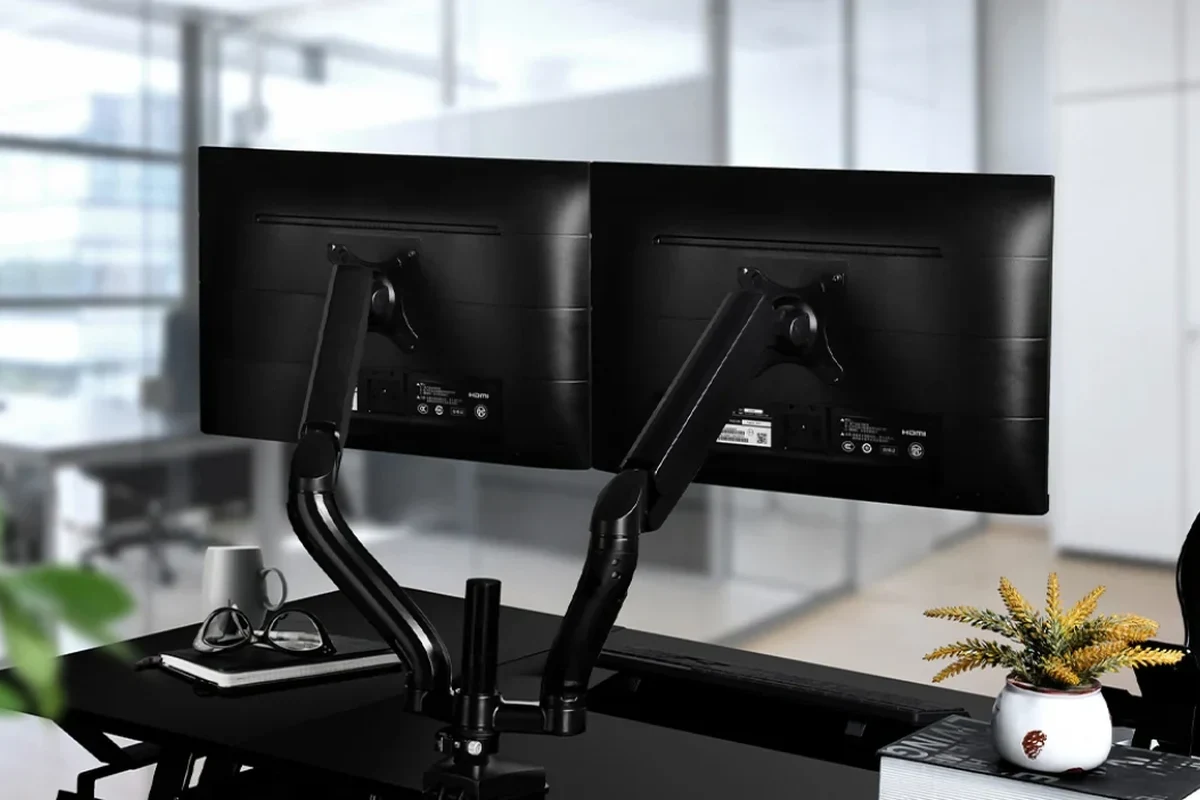
If you work with multiple screens, dual monitor arms are a perfect choice. They allow you to mount two monitors side by side, saving desk space and providing a more organized setup. This arrangement can enhance productivity by enabling easier multitasking. This connects closely with how to setup kasa smart plug for effortless home automation if you want to compare the topic in more detail.
Use this guide for how to choose a monitor arm as a practical checklist, then adjust the advice to your exact device model, operating system, workspace, and budget.
Key Features to Consider When Selecting a Monitor Arm
Several key features can influence your choice of monitor arm. These include weight capacity, adjustability, and compatibility with your monitors. Understanding these features will help you make an informed decision.
| Feature | Description |
|---|---|
| Weight Capacity | Maximum weight the monitor arm can support, typically ranging from 10 to 40 lbs. |
| Adjustability | Range of motion for height, tilt, and swivel adjustments to enhance ergonomic positioning. |
| Monitor Compatibility | Check VESA mounting standards and sizes compatible with the monitor arm. |
| Material | Durability of the arm, often made from aluminum or steel for stability and longevity. |
Weight Capacity and Monitor Size Compatibility
Before purchasing a monitor arm, check its weight capacity and compatibility with your monitor sizes. Each arm is designed to support specific weight limits and monitor dimensions, so ensure that your choice can adequately support your equipment.
- Confirm the weight of your monitor.
- Check the arm’s specifications for weight limits.
- Ensure compatibility with the VESA mount standard of your monitor.
Adjustability Options: Full Motion vs. Fixed
Adjustability is crucial for achieving the best ergonomic setup. Full motion arms allow for various positioning options, while fixed arms provide stability without adjustment features. Assess your daily workflow to determine which option aligns with your needs.
Consider how often you adjust your monitor’s position. Evaluate your workspace layout and accessibility. Think about whether you need to share your workspace with others. You can also use how to setup gosund smart plug 2 as a helpful next guide on the same tech-accessories topic.
Small details such as port type, charger wattage, firmware version, desk space, and app permissions can completely change the right answer.
Assessing Your Workspace: How to Measure for the Perfect Fit
Measuring your workspace is vital to ensure that your monitor arm fits correctly and enhances your ergonomics. Proper placement can significantly affect your comfort and productivity while working.
Desk Height and Monitor Positioning
Your desk height and the intended monitor position will dictate the type of monitor arm you need. Ideally, the top of your monitor should be at or slightly below eye level to promote good posture.
Viewing Angles and Distance for Comfort
The distance between your eyes and the monitor significantly impacts your comfort. A proper viewing angle reduces neck strain and eye fatigue. Ensure your monitor is positioned at a comfortable distance, typically around an arm’s length away. For related context, you may also want to read how to setup smart plug with alexa 2.
Installation Guidelines: How to Properly Mount Your Monitor Arm
Correct installation of your monitor arm is critical for stability and safety. Following proper guidelines ensures that your setup remains secure and functional over time. For setup context, how to setup gosund smart plug can help you compare similar setup details.
- Read the manufacturer’s installation instructions carefully.
- Ensure all mounting hardware is securely tightened.
- Double-check the stability of the arm before attaching your monitor.
- Write down the exact error or behavior before changing settings.
- Test with another cable, port, or device when safe.
- Keep firmware, drivers, and apps updated from official sources.
Common Mistakes to Avoid When Choosing a Monitor Arm
Many users make common mistakes when selecting a monitor arm, which can result in an ineffective setup. Being aware of these pitfalls will help you make a better choice.
Ignoring Weight Limits and Compatibility Issues
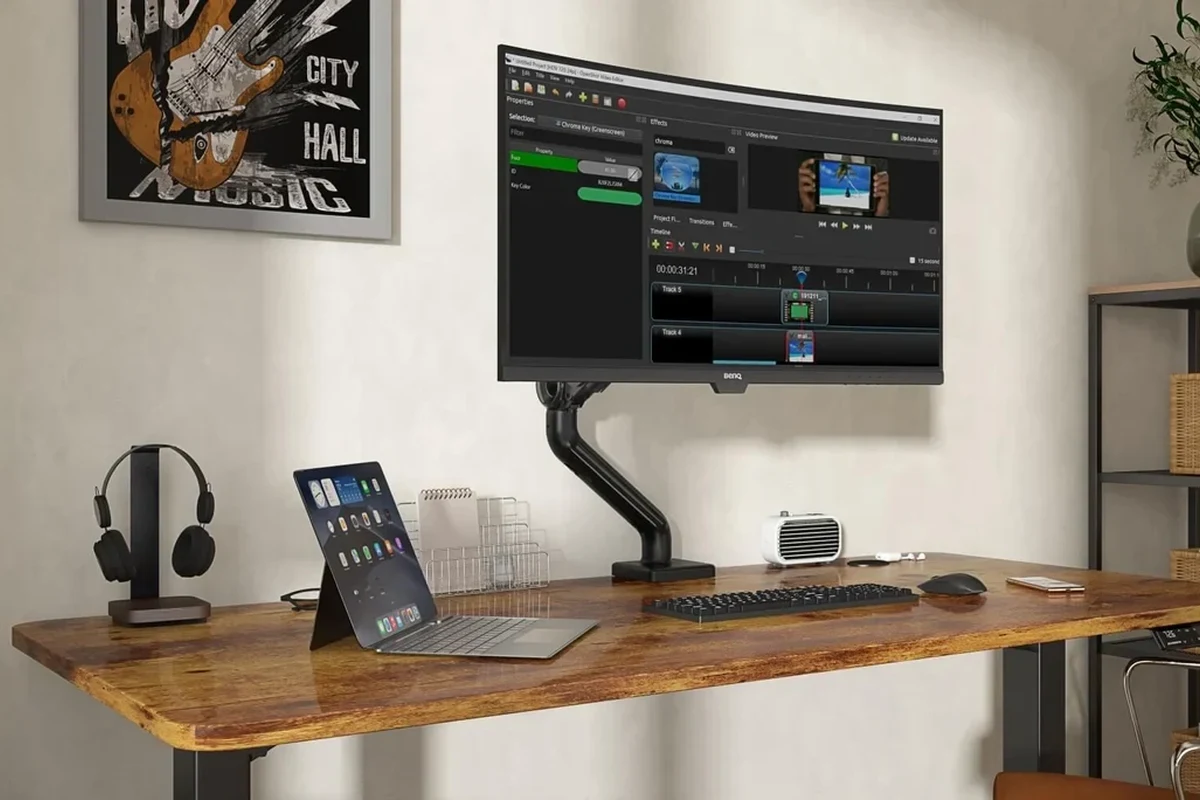
One of the most significant mistakes is overlooking the weight limits and compatibility of the monitor arm. Always check that the arm can support your monitor’s weight and is compatible with the mounting system.
Overlooking Cable Management Features
Cable management is often overlooked, yet it is essential for maintaining a tidy workspace. Opt for monitor arms with integrated cable management features to keep your setup organized and free from clutter. You can also use how to setup smart plug with alexa as a helpful next guide on the same tech-accessories topic.
Safety Considerations: Ensuring a Secure Setup
Safety should always be a priority when setting up your monitor arm. A secure installation prevents accidents and damage to your equipment. Always follow safety guidelines during assembly and use.
Ensure the monitor arm is correctly mounted and stable. Regularly check for wear and tear on the arm. Avoid overloading the arm beyond its specified weight limit. For related safety context, compare this with how to setup kasa smart plug.
Use official support or warranty guidance if the issue involves overheating, power, damaged cables, unstable mounting, privacy risk, data loss, or repeated failures.
Maintenance Tips for Longevity and Performance
Proper maintenance will extend the life of your monitor arm and ensure optimal performance. Regular checks and adjustments can prevent issues before they arise. This connects closely with how to setup amazon smart plug if you want to compare the topic in more detail.
- Clean the arm regularly to prevent dust buildup.
- Check all screws and bolts for tightness periodically.
- Lubricate moving parts if specified in the manufacturer’s guidelines.
This guide on how to choose a monitor arm is written for general digital-information education. For specifications, compatibility, prices, availability, firmware/software versions, warranty terms, recalls, privacy settings, or safety limits, confirm details with the official manual, manufacturer page, retailer listing, warranty document, or current support notice before acting.
Alternatives to Monitor Arms: When a Stand Might Be Better
While monitor arms offer many benefits, there are scenarios where a traditional monitor stand may be more suitable. Understanding these alternatives can help you make the right choice for your workspace.
Monitor stands can provide more stability and are often easier to set up than monitor arms. If you have a heavy monitor or limited desk space, a stand may be a better option.
Understanding the Impact of Monitor Arms on Comfort and Productivity
Choosing the right monitor arm can significantly impact your comfort and productivity. By understanding the various types, features, and safety considerations, you can make an informed choice that enhances your workspace ergonomics.
Final Words
In summary, selecting a monitor arm involves considering your specific needs, workspace dimensions, and monitor specifications. By avoiding common mistakes and prioritizing safety and functionality, you can create an efficient and comfortable work environment.
💡 Sufiya Begom's Setup Advice: Check VESA support, screen weight, desk thickness, eye level, cable clearance, and stability before buying or mounting any monitor accessory.
Frequently Asked Questions
Questions about Monitor Arm often depend on the exact model, connection method, software support, and daily use case. Similar products can behave differently even when they look alike or share a category name. Check current manufacturer documentation whenever compatibility, safety, privacy, firmware, or warranty details affect the answer.
Start with intended use, fit, verified specifications, safety instructions, care needs, and important limitations.
Start with the exact Monitor Arm model, connection method, compatibility requirements, and the specific result you need. Current manufacturer documentation is the safest place to confirm details that vary by model.
Check the operating system, ports or wireless standard, power requirements, app or driver support, and any ecosystem limitations that apply to the exact setup.
A common mistake is treating every Monitor Arm product or setup as interchangeable. Similar-looking models can differ in ports, software support, power needs, dimensions, or privacy controls.
Use the cleaning, ventilation, inspection, charging, storage, and update guidance that applies to the product type. Disconnect power first whenever the manufacturer instructions require it.
Stop and seek official support when the problem involves overheating, damaged power hardware, unstable mounting, repeated failures, data loss, or a privacy concern you cannot resolve safely.

Sufiya Begom is a Passionate Digital Innovator and the Visionary Founder of the Dynamic Platform, Digital Pro Info. With a deep-rooted enthusiasm for digital technologies, Sufiya has built a comprehensive space that offers valuable insights into digital products, reviews, guides, software, and sales, empowering individuals to make informed decisions in the ever-evolving digital landscape.