
Verify monitor arm compatibility by checking the VESA mount standard on your monitor and the arm’s specifications. Ensure the weight capacity of the monitor arm matches your monitor’s weight, and confirm that the arm’s range of motion suits your setup needs for optimal ergonomics.
Last updated: November 27, 2026
Knowing how to check monitor arm compatibility is vital for anyone aiming to improve their workspace. A suitable monitor arm can enhance both ergonomics and desk organization. This guide provides the necessary specifications and requirements for a successful setup.
- Start with the setup: Device model, OS, ports, power needs, and workspace change the right answer.
- Check compatibility first: Verify specifications, drivers, firmware, app support, warranty, and return policy before acting.
- Use practical steps: Change one setting or product variable at a time so you can see what.
- Know the limits: Tech advice varies by model, brand, operating system, retailer, firmware version, and official support.
Understanding Monitor Arm Specifications
Monitor arms feature different specifications that determine their compatibility with various monitors. Familiarizing yourself with these specifications will help you achieve an effective setup. Key aspects include VESA mounts, weight capacities, and adjustability options.
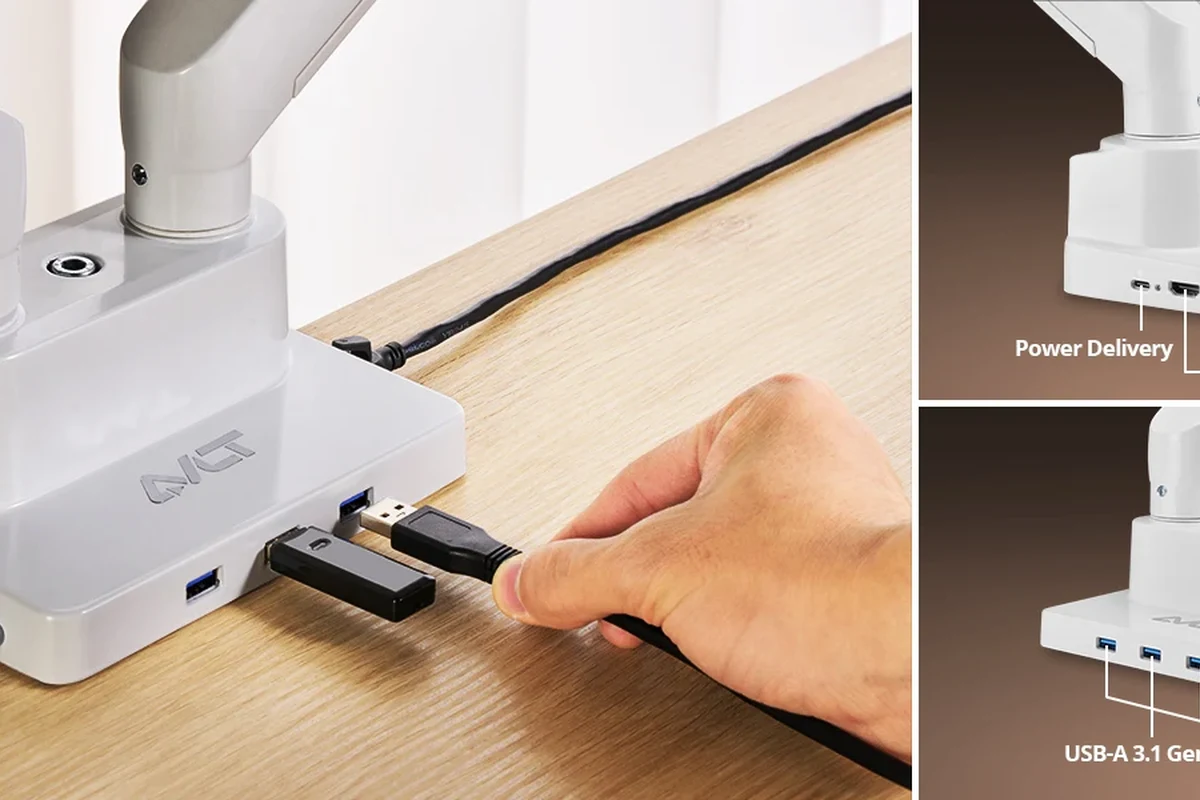
VESA Mount Standards
VESA Mount Standards adds practical context to how to check monitor arm compatibility by focusing on the details that affect real setup and daily use. Check what applies to the current device, what needs verification, and which next step is safest before making another change.
Weight Capacity
Each monitor arm has a specified weight limit, which is vital for stability and safety. Knowing your monitor’s weight will help you select an arm that can support it without risk of failure. Always check the manufacturer’s specifications for both the monitor and the arm. For related context, you may also want to read how to setup kasa smart plug for effortless home automation.
Key Factors for Compatibility: VESA Standards
VESA standards are the backbone of monitor arm compatibility. These standards ensure that monitors can be securely mounted. It’s important to verify that both your monitor and the arm meet these standards before making a purchase. You can also use how smart plugs work setup compatibility safety tips as a helpful next guide on the same setup or usability topic.
| VESA Size | Common Monitor Sizes | Typical Arm Compatibility |
|---|---|---|
| 75×75 mm | Up to 24 inches | Most low to mid-range arms |
| 100×100 mm | Up to 27 inches | Standard arms |
| 200×100 mm | 27 inches and above | Heavy-duty arms |
Use this guide for how to check monitor arm compatibility as a practical checklist, then adjust the advice to your exact device model, operating system, workspace, and budget.
Assessing Your Monitor’s Weight and Size
Accurately determining your monitor’s weight and dimensions is essential for choosing the right monitor arm. Knowing how to weigh your monitor and measure its size will ensure a proper fit and optimal functionality. You can also use how to setup gosund smart plug 2 as a helpful next guide on the same tech-accessories topic.
| Measurement Criteria | Recommended Method |
|---|---|
| Monitor Weight | Use a digital scale to weigh the monitor. |
| Screen Size (Diagonal) | Measure from one corner of the screen to the opposite corner. |
| Width and Height | Measure the monitor’s width and height using a measuring tape. |
| VESA Mounting Pattern | Check the back of the monitor for mounting hole dimensions. |
- Weigh your monitor using a scale to ensure it meets the monitor arm’s weight capacity.
- Measure the height, width, and depth of the monitor to check for desk space compatibility.
- Check the manufacturer’s specifications for any additional size restrictions or guidelines.
Small details such as port type, charger wattage, firmware version, desk space, and app permissions can completely change the right answer.
Evaluating Desk Space and Mounting Options
Desk space is often overlooked when selecting a monitor arm. Assessing available space and understanding how the arm will mount can prevent future problems. This section emphasizes the importance of space evaluation and mounting options.
Measure your desk’s surface area to determine the best positioning for the monitor arm. Consider whether you want a clamp mount or a grommet mount based on your desk design. Think about other accessories that may be on your desk and how they will interact with the monitor arm. For related context, you may also want to read how to setup smart plug with alexa 2.
Common Mistakes When Choosing a Monitor Arm
Choosing the right monitor arm can be tricky, especially if you overlook common mistakes. Many users mistakenly assume all arms are compatible with their monitors, leading to purchases that don’t fit. Double-checking your monitor’s specifications and the arm’s design can save you time and frustration. For related safety context, compare this with how to setup gosund smart plug.
- Choosing a monitor arm without checking the VESA compatibility.
- Overlooking the weight limit of the monitor arm.
- Not considering the range of motion required for your workspace.
- Check your device model, OS, ports, power needs, warranty, and daily use case.
- Check product specs, compatibility, workspace fit, connection type, safety, and return policy.
- Check the manual, official support page, and current firmware or driver notes when compatibility matters.
How to Verify Your Monitor Arm’s Weight Capacity
Verifying the weight capacity of your monitor arm is essential for stability and safety. Many arms have specific weight limits, and exceeding this can lead to damage or accidents. Always consult the manufacturer’s guidelines to ensure your monitor is well-supported and securely mounted. You can also use how to setup smart plug with alexa as a helpful next guide on the same tech-accessories topic.
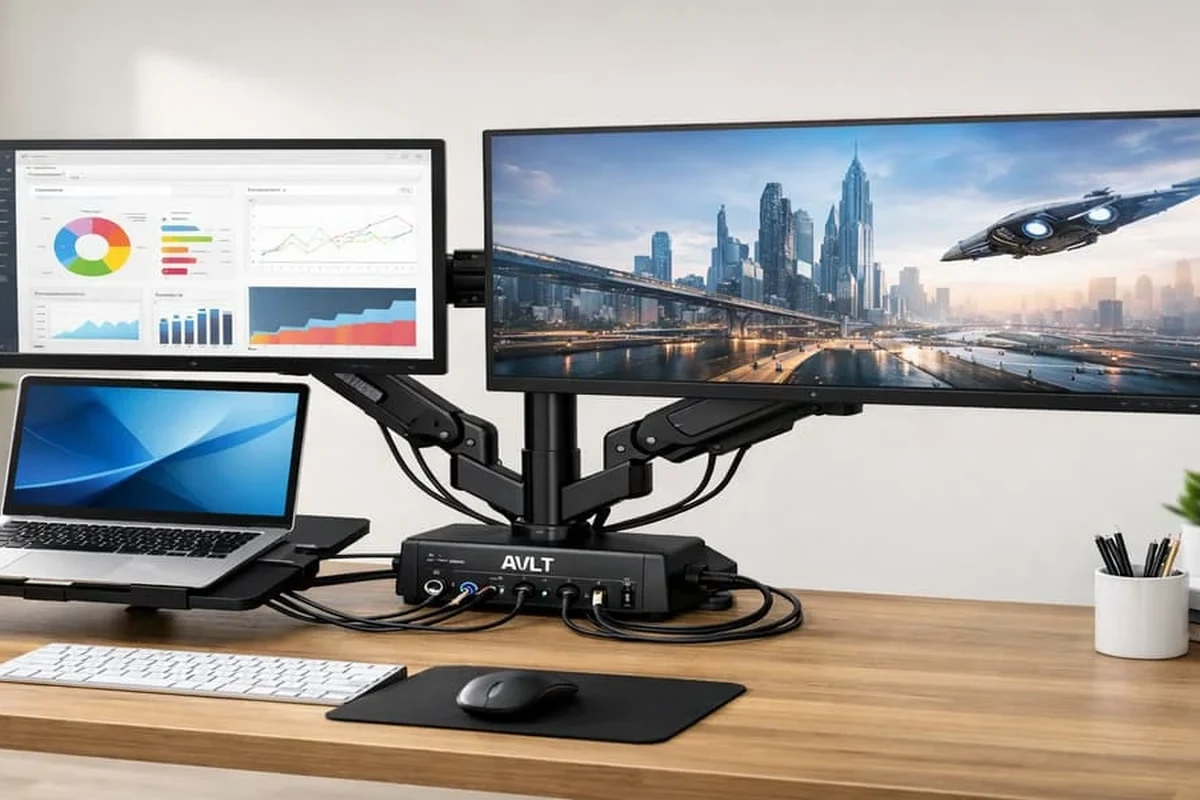
Exploring Adjustable Features: Tilt, Height, and Rotation
Adjustable features like tilt, height, and rotation significantly enhance your viewing experience. These functionalities allow you to customize the monitor position for comfort and productivity. When selecting a monitor arm, consider how these features will fit into your workspace needs and personal preferences. For related context, you may also want to read how to setup kasa smart plug.
Check if the arm allows for height adjustment to suit your eye level. Look for tilt capabilities to reduce glare and improve viewing angles. Ensure the arm can rotate for landscape and portrait orientations as needed.
- Write down the exact error or behavior before changing settings.
- Test with another cable, port, or device when safe.
- Keep firmware, drivers, and apps updated from official sources.
When to Consider Upgrading Your Monitor Arm
Upgrading your monitor arm may be necessary when your setup evolves or if you encounter compatibility issues. Newer models offer advanced features and better weight capacities, making them worth considering. Assess your current monitor’s requirements and workspace to determine if an upgrade is beneficial. This connects closely with how to setup amazon smart plug if you want to compare the topic in more detail.
- Experiencing frequent wobbling or instability in your current arm.
- Upgrading to a larger or heavier monitor that exceeds your arm’s weight capacity.
- Needing more adjustable features for better ergonomics.
This guide on how to check monitor arm compatibility is written for general digital-information education. For specifications, compatibility, prices, availability, firmware/software versions, warranty terms, recalls, privacy settings, or safety limits, confirm details with the official manual, manufacturer page, retailer listing, warranty document, or current support notice before acting.
Safety and Stability Considerations for Monitor Arms
Safety and stability are paramount when using monitor arms, as improper setup can lead to accidents. A stable arm prevents monitor tipping, which can cause injury or damage. Always ensure that your arm is installed correctly and regularly check its stability to maintain a safe workspace.
Ensure the monitor arm is securely mounted to avoid accidents. Regularly check for wear and tear on the arm and mounting points. Follow manufacturer guidelines for installation and weight limits.
Understanding Compatibility for Your Monitor Setup
Understanding compatibility for your monitor setup goes beyond just VESA standards; it includes size and weight considerations. Proper alignment and adjustments can make a significant difference in ergonomics and functionality. Evaluate your monitor’s dimensions alongside the arm’s specifications for a seamless fit.
Final Words
Final considerations should include evaluating your workspace and personal needs for monitor arm compatibility. Take time to reflect on how each choice impacts your daily usage and comfort. Making informed decisions will enhance your setup and overall productivity in the long run.
💡 Sufiya Begom's Setup Advice: Check VESA support, screen weight, desk thickness, eye level, cable clearance, and stability before buying or mounting any monitor accessory.
Frequently Asked Questions
Questions about Monitor Arm often depend on the exact model, connection method, software support, and daily use case. Similar products can behave differently even when they look alike or share a category name. Check current manufacturer documentation whenever compatibility, safety, privacy, firmware, or warranty details affect the answer.
Start with intended use, fit, verified specifications, safety instructions, care needs, and important limitations.
Start with the exact Monitor Arm model, connection method, compatibility requirements, and the specific result you need. Current manufacturer documentation is the safest place to confirm details that vary by model.
Check the operating system, ports or wireless standard, power requirements, app or driver support, and any ecosystem limitations that apply to the exact setup.
A common mistake is treating every Monitor Arm product or setup as interchangeable. Similar-looking models can differ in ports, software support, power needs, dimensions, or privacy controls.
Use the cleaning, ventilation, inspection, charging, storage, and update guidance that applies to the product type. Disconnect power first whenever the manufacturer instructions require it.
Stop and seek official support when the problem involves overheating, damaged power hardware, unstable mounting, repeated failures, data loss, or a privacy concern you cannot resolve safely.

Sufiya Begom is a Passionate Digital Innovator and the Visionary Founder of the Dynamic Platform, Digital Pro Info. With a deep-rooted enthusiasm for digital technologies, Sufiya has built a comprehensive space that offers valuable insights into digital products, reviews, guides, software, and sales, empowering individuals to make informed decisions in the ever-evolving digital landscape.