
Baby wraps offer more versatility and closeness, making them ideal for newborns, while baby carriers provide easier use and support for older infants. For daily use, the choice between baby wrap vs baby carrier hinges on personal preference and lifestyle needs.
Last updated: October 28, 2026
When comparing a baby wrap and a baby carrier, parents often seek clarity on which option is better for everyday use. Each choice comes with distinct advantages, catering to various needs and preferences. Understanding their differences can guide you in selecting the right fit for your lifestyle.
- Start with the setup: Device model, OS, ports, power needs, and workspace change the right answer.
- Check compatibility first: Verify specifications, drivers, firmware, app support, warranty, and return policy before acting.
- Use practical steps: Change one setting or product variable at a time so you can see what.
- Know the limits: Tech advice varies by model, brand, operating system, retailer, firmware version, and official support.
Understanding the Basics: What Are Baby Wraps and Baby Carriers?
Understanding the Basics: What Are Baby Wraps and Baby Carriers? adds practical context to baby wrap vs baby carrier by focusing on the details that affect real setup and daily use. Check what applies to the current device, what needs verification, and which next step is safest before making another change. For related context, you may also want to read best smart lights for google home.
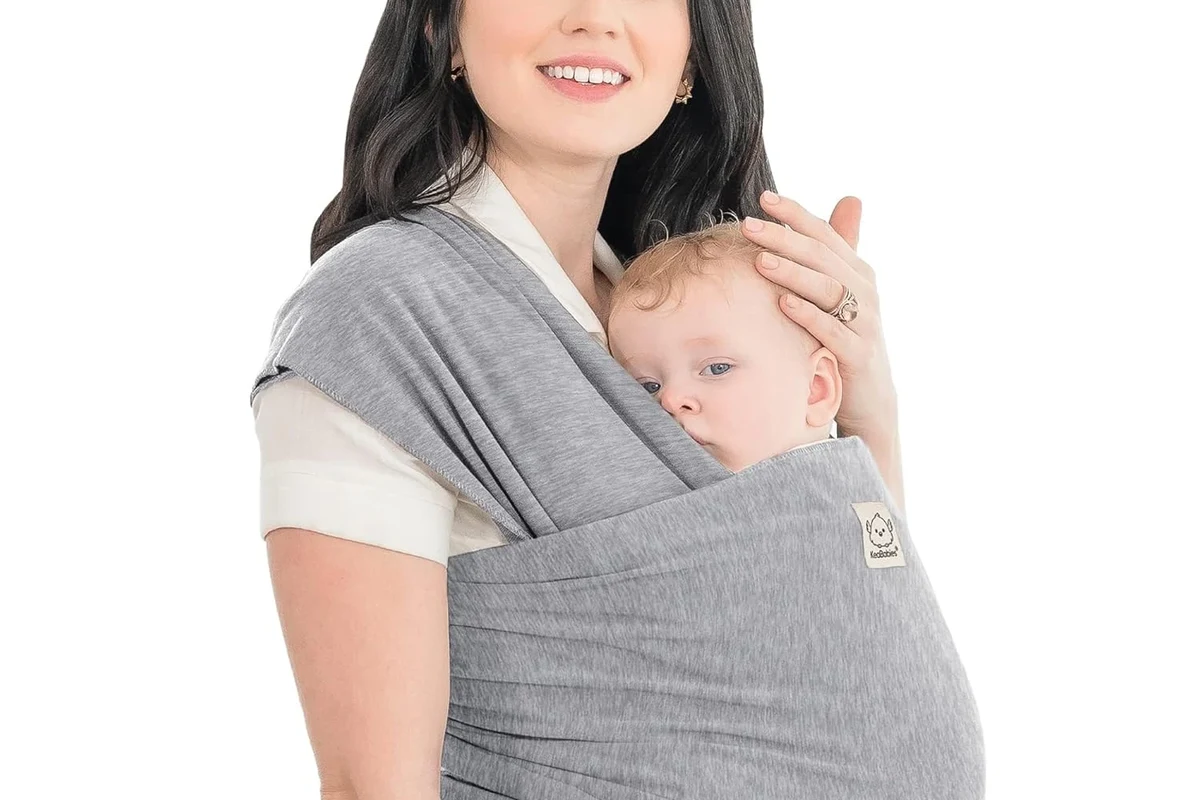
Key Differences Between Baby Wraps and Baby Carriers
When comparing baby wraps and baby carriers, several factors come into play, including design, ease of use, and comfort. Understanding these differences can help you decide which option fits your lifestyle better.
Design and Structure
Design and Structure adds practical context to baby wrap vs baby carrier by focusing on the details that affect real setup and daily use. Check what applies to the current device, what needs verification, and which next step is safest before making another change.
Ease of Use
Ease of Use adds practical context to baby wrap vs baby carrier by focusing on the details that affect real setup and daily use. Check what applies to the current device, what needs verification, and which next step is safest before making another change.
Comfort for Parent and Baby
Comfort for Parent and Baby adds practical context to baby wrap vs baby carrier by focusing on the details that affect real setup and daily use. Check what applies to the current device, what needs verification, and which next step is safest before making another change. This connects closely with best smart switch for google home if you want to compare the topic in more detail.
Use this guide for baby wrap vs baby carrier as a practical checklist, then adjust the advice to your exact device model, operating system, workspace, and budget.
Ideal Users: Who Should Choose a Baby Wrap or Carrier?
Understanding who benefits most from baby wraps or carriers can help you make a more informed decision. Different lifestyles and parenting styles can dictate which option is more suitable.
| Ideal Users | Choosing Criteria |
|---|---|
| Active Parents | Baby carrier for easy on-the-go use |
| Stay-at-home Parents | Baby wrap for extended snuggling and comfort |
| Parents with Newborns | Baby wrap for close bonding and security |
| Parents with Toddlers | Baby carrier for support and convenience |
New Parents
New parents might find that baby wraps offer a more intimate way to bond with their newborns, as they allow for skin-to-skin contact. However, some may prefer baby carriers for their ease of use and the ability to quickly secure the baby without the need for wrapping techniques.
Active Parents
Active Parents adds practical context to baby wrap vs baby carrier by focusing on the details that affect real setup and daily use. Check what applies to the current device, what needs verification, and which next step is safest before making another change.
Parents with Special Needs
Parents with special needs children might find specific benefits in either baby wraps or carriers. Wraps can offer a snug fit that soothes some babies, while structured carriers can provide additional support and comfort for both the parent and the child, especially for longer outings. You can also use best smart switch for home assistant as a helpful next guide on the same tech-accessories topic.
Small details such as port type, charger wattage, firmware version, desk space, and app permissions can completely change the right answer.
Must-Check Specs: What to Look For in Baby Wraps and Carriers
When selecting a baby wrap or carrier, several specifications should be considered to ensure safety and comfort for both parent and child. Knowing what to look for can help streamline your purchasing decision.
Material Quality
The material quality of baby wraps and carriers significantly affects their durability and comfort. Wraps are typically made from soft fabrics such as cotton or jersey, while carriers may incorporate padded and breathable materials. Always check for safety certifications and fabric quality to ensure your baby’s safety.
Weight Capacity
Weight capacity is another vital aspect to consider. Most wraps can accommodate a range of weights, but it’s essential to verify the maximum limit for safety. Carriers generally have specified weight limits as well, so ensure that your choice matches your baby’s weight and growth trajectory.
Adjustability and Fit
Adjustability is crucial for both wraps and carriers. A good baby wrap should allow for multiple tying positions to accommodate different body types, while a carrier should feature adjustable straps to ensure proper fit and support. A good fit enhances both comfort and safety. For related context, you may also want to read best smart plug for home assistant.
| Option | Best For | What to Check |
|---|---|---|
| Baby Wrap | Intimate bonding, long-term comfort | Material, tying methods, weight capacity |
| Baby Carrier | Quick use, active lifestyles | Adjustability, structure, weight limits |
Practical Examples: When to Use Each Type
Knowing when to use a baby wrap or carrier can enhance your parenting experience. Different scenarios call for different solutions, and understanding these can facilitate daily activities.
Daily Errands
Daily Errands adds practical context to baby wrap vs baby carrier by focusing on the details that affect real setup and daily use. Check what applies to the current device, what needs verification, and which next step is safest before making another change.
Outdoor Activities
For outdoor activities like hiking or walking, a supportive baby carrier is often the best choice. It typically provides better back support and distributes the baby’s weight evenly. Wraps may not offer the same level of support for rugged terrains, making carriers a more viable option.
Home Use
At home, both baby wraps and carriers have their advantages. A wrap can provide comfort while doing household chores, allowing for skin-to-skin contact. However, a carrier may be preferable for quick movement around the house, providing ease and support when transitioning from room to room. This connects closely with best smart switches for home assistant if you want to compare the topic in more detail.
- Choose the product category first, then compare models.
- Ignore unsupported performance or durability claims.
- Look for model-specific limitations before purchase.
Common Mistakes to Avoid When Using Baby Wraps and Carriers
While using baby wraps and carriers can be a wonderful experience, there are common pitfalls to be aware of. Avoiding these mistakes can enhance safety and comfort for both you and your baby.

Improper Adjustments
Ensuring that your wrap or carrier is adjusted correctly is critical for safety. Improper adjustments can lead to discomfort or even injury. Always check fit and make necessary adjustments each time you put on the carrier or wrap.
Ignoring Weight Limits
Ignoring the specified weight limits can pose safety risks. Always verify the weight capacity of your chosen wrap or carrier to ensure it can safely accommodate your baby. This is crucial as babies grow quickly and may exceed the recommended limits sooner than expected.
Neglecting Safety Guidelines
Neglecting safety guidelines can lead to dangerous situations. Always follow the manufacturer’s instructions regarding how to wear the wrap or carrier and adhere to safety standards to ensure your baby’s wellbeing. This also connects with best smart hubs for home automation if you want to avoid a similar setup or buying mistake.
Pros and Cons: A Quick Comparison
Pros and Cons: A Quick Comparison is clearer when the options are compared using the same practical criteria rather than one headline feature. For baby wrap vs baby carrier, check compatibility, daily use, build, support, warranty, and any model-specific limits before deciding.
Baby Wraps
Baby Wraps adds practical context to baby wrap vs baby carrier by focusing on the details that affect real setup and daily use. Check what applies to the current device, what needs verification, and which next step is safest before making another change.
- Offers a snug fit for bonding.
- Distributes weight evenly for comfort.
- Multiple tying options for versatility.
Can be time-consuming to tie. May require practice to master. Less structured support for longer use.
Baby Carriers
Baby carriers come in various styles, including soft-structured carriers and slings, designed for convenience and support. Many models include safety features such as buckles and adjustable straps to secure the baby properly. Look for carriers that provide adequate back support and are easy to clean for daily use. For related context, you may also want to read is alexa better than siri for smart home controls.
- Quick and easy to put on.
- Structured support for the baby.
- Ideal for active lifestyles.
Less intimate than wraps. May be bulkier to carry around. Limited adjusting options.
Before buying, verify compatibility, size, ports, wattage, warranty, return policy, and current model details from official or retailer sources.
Alternatives to Baby Wraps and Carriers
If neither baby wraps nor carriers seem ideal for your needs, several alternatives offer flexibility and convenience. Exploring these options can help you find the best fit for you and your baby.
Strollers
Strollers provide a convenient way to transport your baby without carrying them directly. They offer ample space for the child and storage for personal items, making them excellent for longer outings. However, they lack the bonding experience provided by wraps and carriers.
Hip Seats
Hip seats are another alternative that allows for easy carrying without straining the back. They provide a sturdy seat that sits on the caregiver’s hip, making it easy to access the child quickly while keeping them secure.
Backpacks
Backpacks designed for children can be another option for older babies. They typically offer more support for the child’s weight and can be beneficial for outdoor adventures. However, they may not provide the closeness that wraps and carriers offer. This connects closely with what to use smart plugs for to simplify your home automation if you want to compare the topic in more detail.
This guide on baby wrap vs baby carrier is written for general digital-information education. For specifications, compatibility, prices, availability, firmware/software versions, warranty terms, recalls, privacy settings, or safety limits, confirm details with the official manual, manufacturer page, retailer listing, warranty document, or current support notice before acting.
How to Choose the Right Option for Your Lifestyle
Selecting the right baby wrap or carrier depends heavily on your lifestyle and personal preferences. Assessing your daily needs can streamline this decision process.
Assessing Daily Needs
Consider your daily activities and how often you plan to carry your baby. If you frequently run errands or engage in outdoor activities, a structured carrier may be more suitable. For more leisurely outings, a wrap may be ideal for bonding and comfort.
Finding the Right Fit for Your Baby
It’s essential to ensure that whatever option you choose fits your baby correctly. Consider their weight, age, and comfort needs when selecting a wrap or carrier. This helps ensure safety and comfort during use.
What This Means for New Parents
For new parents, the choice between baby wraps and carriers can influence daily routines and bonding experiences. Evaluating your lifestyle and specific needs can help you select the most suitable option. Consider the benefits of each type and how they align with your parenting style.
Final Words
The main takeaway for baby wrap vs baby carrier is to match the advice to the exact device, connection method, and daily use case. Use safe setup steps, verify model-specific details, and contact official support when power, heat, privacy, stability, or warranty concerns remain.
💡 Sufiya Begom's Smart Home Note: Check Wi-Fi band, app permissions, firmware updates, privacy settings, ecosystem support, and safe electrical load before relying on any smart-home device.
Frequently Asked Questions
Questions about Baby Wrap Carrier often depend on the exact model, connection method, software support, and daily use case. Similar products can behave differently even when they look alike or share a category name. Check current manufacturer documentation whenever compatibility, safety, privacy, firmware, or warranty details affect the answer.
Start with intended use, fit, verified specifications, safety instructions, care needs, and important limitations.
Start with the exact Baby Wrap Carrier model, connection method, compatibility requirements, and the specific result you need. Current manufacturer documentation is the safest place to confirm details that vary by model.
Check the operating system, ports or wireless standard, power requirements, app or driver support, and any ecosystem limitations that apply to the exact setup.
A common mistake is treating every Baby Wrap Carrier product or setup as interchangeable. Similar-looking models can differ in ports, software support, power needs, dimensions, or privacy controls.
Use the cleaning, ventilation, inspection, charging, storage, and update guidance that applies to the product type. Disconnect power first whenever the manufacturer instructions require it.
Stop and seek official support when the problem involves overheating, damaged power hardware, unstable mounting, repeated failures, data loss, or a privacy concern you cannot resolve safely.

Sufiya Begom is a Passionate Digital Innovator and the Visionary Founder of the Dynamic Platform, Digital Pro Info. With a deep-rooted enthusiasm for digital technologies, Sufiya has built a comprehensive space that offers valuable insights into digital products, reviews, guides, software, and sales, empowering individuals to make informed decisions in the ever-evolving digital landscape.