
To adjust monitor arm height, loosen the adjustment knob or lever, raise or lower the monitor to the desired position, and then tighten the knob or lever securely. Ensure the top of the monitor screen is at or slightly below eye level for optimal ergonomics.
Last updated: November 25, 2026
Knowing how to adjust monitor arm height is vital for creating a comfortable workspace. Properly positioning your monitor can help minimize discomfort, alleviate strain on your neck and back, and boost your overall productivity. Follow these steps to set your monitor arm to the right height.
- Start with the setup: Device model, OS, ports, power needs, and workspace change the right answer.
- Check compatibility first: Verify specifications, drivers, firmware, app support, warranty, and return policy before acting.
- Use practical steps: Change one setting or product variable at a time so you can see what.
- Know the limits: Tech advice varies by model, brand, operating system, retailer, firmware version, and official support.
How to Adjust Monitor Arm Height for Optimal Ergonomics
Adjusting monitor arm height is crucial for maintaining optimal ergonomics while working. Ensure that your monitor is positioned at eye level, as this helps alleviate neck and back strain, ultimately enhancing your productivity and comfort throughout the day.
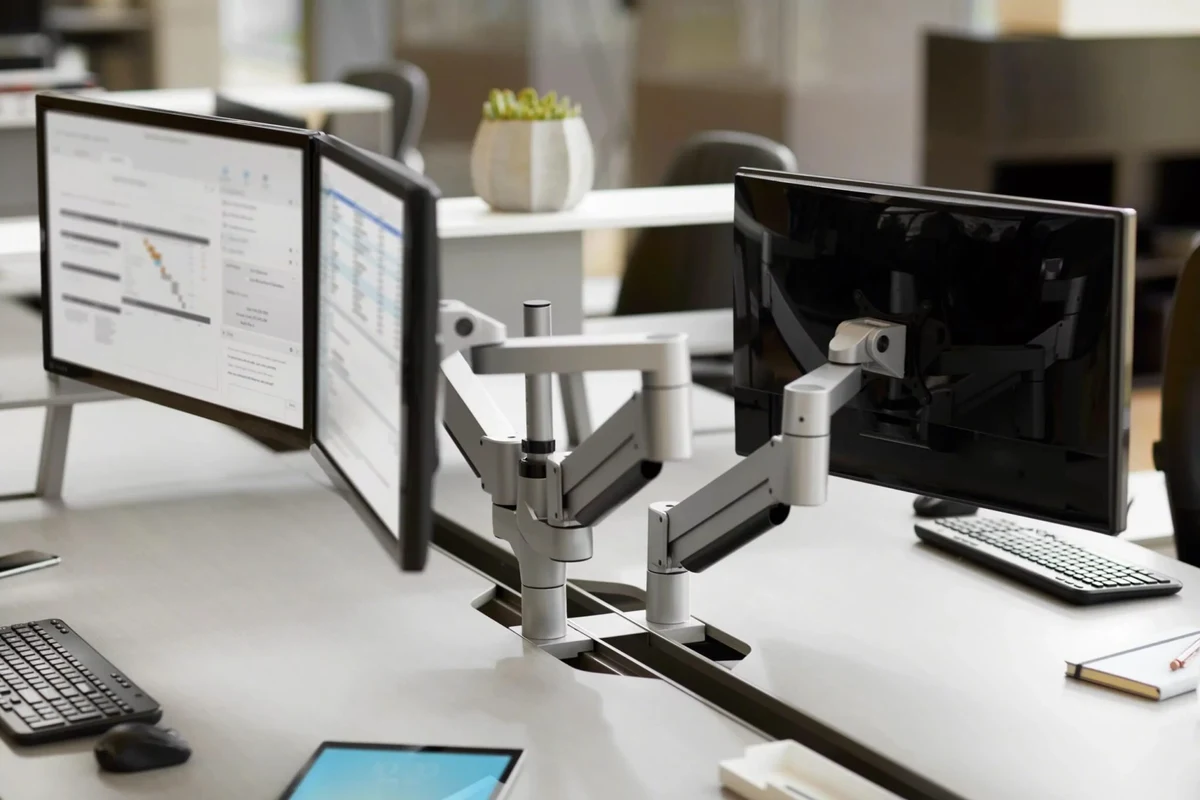
Understanding the Importance of Monitor Arm Height
The correct monitor arm height plays a vital role in your overall ergonomic setup. Make sure your monitor is neither too high nor too low; this balance can significantly reduce the risk of discomfort and improve your focus while working long hours. For related safety or troubleshooting context, you may also want to read how to connect alexa smart plug for effortless control.
Use this guide for how to adjust monitor arm height as a practical checklist, then adjust the advice to your exact device model, operating system, workspace, and budget.
Step-by-Step Guide to Adjusting Your Monitor Arm Height
To achieve the perfect monitor arm height, follow a systematic approach tailored to your specific arm type. Familiarize yourself with the adjustment mechanisms on your arm, as different models may require unique steps for optimal positioning.
Tools and Equipment You Might Need
Before starting the adjustment process, gather any necessary tools or equipment that may assist you. While most monitor arms can be adjusted without tools, some models may require a screwdriver or an Allen wrench for specific adjustments.
- Allen wrench (if applicable)
- Screwdriver (for specific models)
- Measuring tape (to ensure precise height adjustment)
- Notebook (to take notes on adjustments)
Adjusting Different Types of Monitor Arms
Understanding how to adjust various types of monitor arms is essential for achieving the best results. Each type has unique adjustment mechanisms, so it’s important to follow the specific instructions for your model. This connects closely with how to set up a smart plug for effortless home automation if you want to compare the topic in more detail.
- Gas Spring Monitor Arms
Locate the tension adjustment knob, usually found at the base. Adjust the tension according to the monitor’s weight before raising or lowering the arm.
- Mechanical Monitor Arms
Loosen any screws or levers that secure the arm, adjust to desired height, and then re-tighten the screws to secure the position.
- Articulating Monitor Arms
These often have multiple pivot points. Adjust each joint to achieve the desired height and position.
Common Mistakes When Adjusting Monitor Arm Height
While adjusting the monitor arm height, there are several common mistakes that can hinder your ergonomic setup. Awareness of these pitfalls can help you avoid discomfort and ensure a proper fit.
| Common Mistake | Impact on Ergonomics |
|---|---|
| Setting monitor too high | Causes neck strain and discomfort |
| Setting monitor too low | Leads to slouching and back pain |
| Ignoring eye level alignment | Causes eye strain and fatigue |
| Incorrect arm extension | Limits range of movement and comfort |
Overlooking Ergonomics
Neglecting ergonomic principles can lead to poor posture and long-term discomfort. Always adjust your monitor so that the top edge is at or slightly below your seated eye level, which is essential for maintaining natural neck alignment during use.
Neglecting Cable Management
Proper cable management can often be overlooked during monitor adjustments. Ensure that cables are not pulling on the monitor arm, which can cause unnecessary strain and affect movement. Tidy up cables to keep your workspace organized and safe. You can also use how to setup kasa smart plug for effortless home automation as a helpful next guide on the same tech-accessories topic.
- Ensure your monitor is at eye level.
- Use a chair that supports your back.
- Keep your keyboard and mouse close to your body.
Compatibility Considerations for Monitor Arms
Before finalizing your monitor arm height, it’s essential to consider compatibility with your monitor and desk setup. Understanding the specifications can prevent issues down the line.
Weight Capacity and Monitor Size
Each monitor arm has a weight capacity and size limit. Ensure that your monitor is compatible with the arm, as exceeding these limits can lead to instability and potential damage. Check the manufacturer’s specifications for guidance.
VESA Mounting Standards Explained
Most monitors follow VESA (Video Electronics Standards Association) mounting standards, which dictate the size and arrangement of the mounting holes on the back of the monitor. Ensure your monitor and arm are compatible with the correct VESA standard for a secure fit. For related context, you may also want to read how to decorate a blue bedroom for fall.
| Option | Best For | What to Check |
|---|---|---|
| Gas Spring | Adjustable tension for varying weights | Monitor weight and arm tension settings |
| Mechanical Arm | Fixed height adjustments | Screw tightness and height range |
| Articulating Arm | Flexible positioning | Pivot points and stability |
Always ensure that your monitor arm is securely attached to your desk and that the monitor is within the specified weight limit to prevent accidents.
Best Practices for Setting Up Your Workspace
Creating an ergonomic workspace involves more than just adjusting monitor height—it encompasses the entire setup. Consider factors such as desk height, chair position, and monitor distance to ensure a comfortable and efficient environment for your daily tasks.
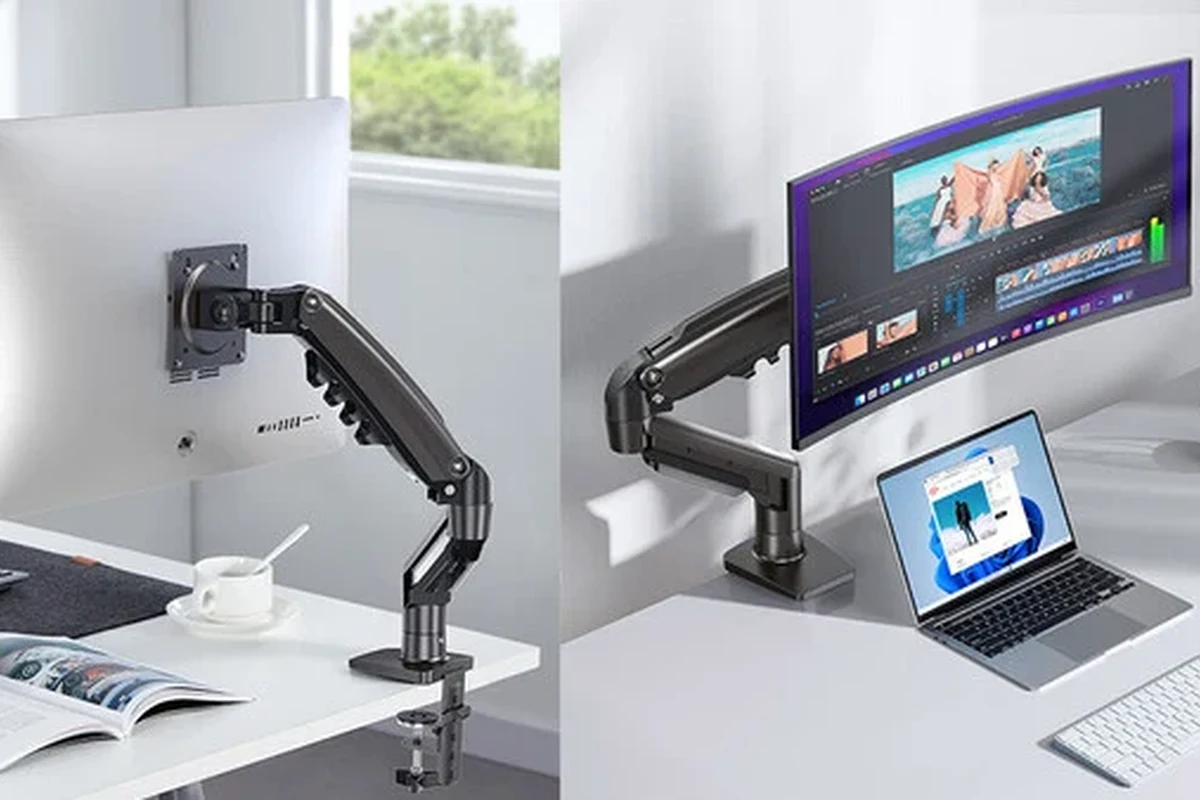
Optimal Monitor Positioning
Position your monitor directly in front of you, about an arm’s length away. The top of the screen should be at or slightly below eye level, allowing for a natural neck angle. This minimizes strain and promotes better posture.
Integrating Other Accessories for Ergonomics
Consider incorporating other ergonomic accessories, such as a keyboard tray or a footrest, to enhance your overall setup. These additions can complement your monitor arm adjustments and contribute to a healthier workspace. This connects closely with how does an online hotel booking system work for online website if you want to compare the topic in more detail.
- Check your device model, OS, ports, power needs, warranty, and daily use case.
- Check product specs, compatibility, workspace fit, connection type, safety, and return policy.
- Check the manual, official support page, and current firmware or driver notes when compatibility matters.
Safety and Maintenance Tips for Monitor Arms
Regular maintenance and safety checks can prolong the life of your monitor arm and ensure its stability over time. Here are some tips to keep in mind.
Regular Inspection and Adjustments
Periodically inspect your monitor arm for any signs of wear, including loose screws or damaged components. Make adjustments as needed to maintain stability and performance, which is essential for safety and functionality.
Cleaning and Care Guidelines
Keep your monitor arm clean by wiping it down with a soft, damp cloth. Avoid harsh chemicals that could damage the finish. Regular cleaning not only maintains appearance but also ensures smooth adjustment mechanisms. You can also use how to check if garage door is open remotely as a helpful next guide on the same tech-accessories topic.
Why Adjusting Monitor Arm Height Enhances Workspace Comfort
Understanding how to adjust monitor arm height is crucial for anyone looking to enhance their workspace ergonomics. Proper adjustments can lead to improved comfort, productivity, and overall well-being. As a tech buyer, consider these factors when selecting a monitor arm to ensure compatibility and functionality. For related context, you may also want to read how to connect garage door opener to alexa.
This guide on how to adjust monitor arm height is written for general digital-information education. For specifications, compatibility, prices, availability, firmware/software versions, warranty terms, recalls, privacy settings, or safety limits, confirm details with the official manual, manufacturer page, retailer listing, warranty document, or current support notice before acting.
When to Consider Replacing Your Monitor Arm
Knowing when to replace your monitor arm is crucial for maintaining an effective workspace. Signs of wear may indicate that it’s time for an upgrade to ensure safety and comfort.
Signs of Wear and Tear
Look for signs such as difficulty in adjusting height, noticeable wobbling, or rust. If the arm no longer holds your monitor securely, it’s time to consider a replacement.
Evaluating New Features and Upgrades
Monitor arms continuously evolve, offering better adjustments and stability. Newer models may come with enhanced features that could improve your workspace setup, such as integrated cable management systems or improved gas spring mechanisms. This connects closely with how to reset meross garage door opener if you want to compare the topic in more detail.
Final Words
Adjusting your monitor arm height is not just about aesthetics; it’s a crucial component of an ergonomic workspace. By following the outlined steps and best practices, you can create a comfortable and productive environment that supports your health and work efficiency.
💡 Sufiya Begom's Setup Advice: Check VESA support, screen weight, desk thickness, eye level, cable clearance, and stability before buying or mounting any monitor accessory.
Frequently Asked Questions
Questions about Monitor Arm often depend on the exact model, connection method, software support, and daily use case. Similar products can behave differently even when they look alike or share a category name. Check current manufacturer documentation whenever compatibility, safety, privacy, firmware, or warranty details affect the answer.
Start with intended use, fit, verified specifications, safety instructions, care needs, and important limitations.
Start with the exact Monitor Arm model, connection method, compatibility requirements, and the specific result you need. Current manufacturer documentation is the safest place to confirm details that vary by model.
Check the operating system, ports or wireless standard, power requirements, app or driver support, and any ecosystem limitations that apply to the exact setup.
A common mistake is treating every Monitor Arm product or setup as interchangeable. Similar-looking models can differ in ports, software support, power needs, dimensions, or privacy controls.
Use the cleaning, ventilation, inspection, charging, storage, and update guidance that applies to the product type. Disconnect power first whenever the manufacturer instructions require it.
Stop and seek official support when the problem involves overheating, damaged power hardware, unstable mounting, repeated failures, data loss, or a privacy concern you cannot resolve safely.

Sufiya Begom is a Passionate Digital Innovator and the Visionary Founder of the Dynamic Platform, Digital Pro Info. With a deep-rooted enthusiasm for digital technologies, Sufiya has built a comprehensive space that offers valuable insights into digital products, reviews, guides, software, and sales, empowering individuals to make informed decisions in the ever-evolving digital landscape.