
To use Amazon Smart Plug, plug it into a wall outlet, connect your device, and set it up via the Alexa app. Follow the instructions to enable voice control and create schedules for effortless home automation.
Last updated: August 2, 2026
The Amazon Smart Plug enhances home automation by allowing you to control any appliance connected to it through your smartphone or voice commands. This guide covers the effective use of the Amazon Smart Plug, starting from the setup process to making the most of its features for a streamlined smart home experience.
- Start with the setup: Device model, OS, ports, power needs, and workspace change the right answer.
- Check compatibility first: Verify specifications, drivers, firmware, app support, warranty, and return policy before acting.
- Use practical steps: Change one setting or product variable at a time so you can see what.
- Know the limits: Tech advice varies by model, brand, operating system, retailer, firmware version, and official support.
How to Use Amazon Smart Plug for Effortless Home Automation
The Amazon Smart Plug is designed to make your daily routines easier by automating your electrical devices. By connecting to your Wi-Fi network and integrating with the Alexa app, it allows you to control your devices remotely or through voice commands. Understanding how to use the Amazon Smart Plug effectively can lead to a more convenient and efficient home environment.
Setting Up Your Amazon Smart Plug: A Step-by-Step Guide
Setting up your Amazon Smart Plug is a straightforward process that requires minimal technical knowledge. It involves connecting the plug to your Wi-Fi network and linking it to your Amazon account through the Alexa app. Follow these steps to ensure a smooth setup:
- Unbox and Plug In
Start by unboxing the Amazon Smart Plug and plugging it into an outlet close to your Wi-Fi router.
- Download the Alexa App
If you haven’t already, download the Amazon Alexa app from the App Store or Google Play Store.
- Add the Smart Plug in the App
Open the Alexa app, tap on the “Devices” tab, and then select “Add Device.” Choose “Plug” and follow the prompts.
- Connect to Wi-Fi
Select your Wi-Fi network and enter the password. Ensure your phone is connected to the same network.
- Name Your Device
Once connected, you will be prompted to name your smart plug for easy voice control, such as “Living Room Lamp.”
After completing these steps, your Amazon Smart Plug should be operational. For a complete setup guide, refer to our setup guide.
Use this guide for how to use amazon smart plug as a practical checklist, then adjust the advice to your exact device model, operating system, workspace, and budget.
Compatible Devices: What Works with Amazon Smart Plug?
The Amazon Smart Plug works with a variety of devices, making it a versatile addition to your smart home setup. It is compatible with any appliance that can be plugged into a standard outlet, provided it does not exceed the plug’s power capacity. Here are some common devices you can control:
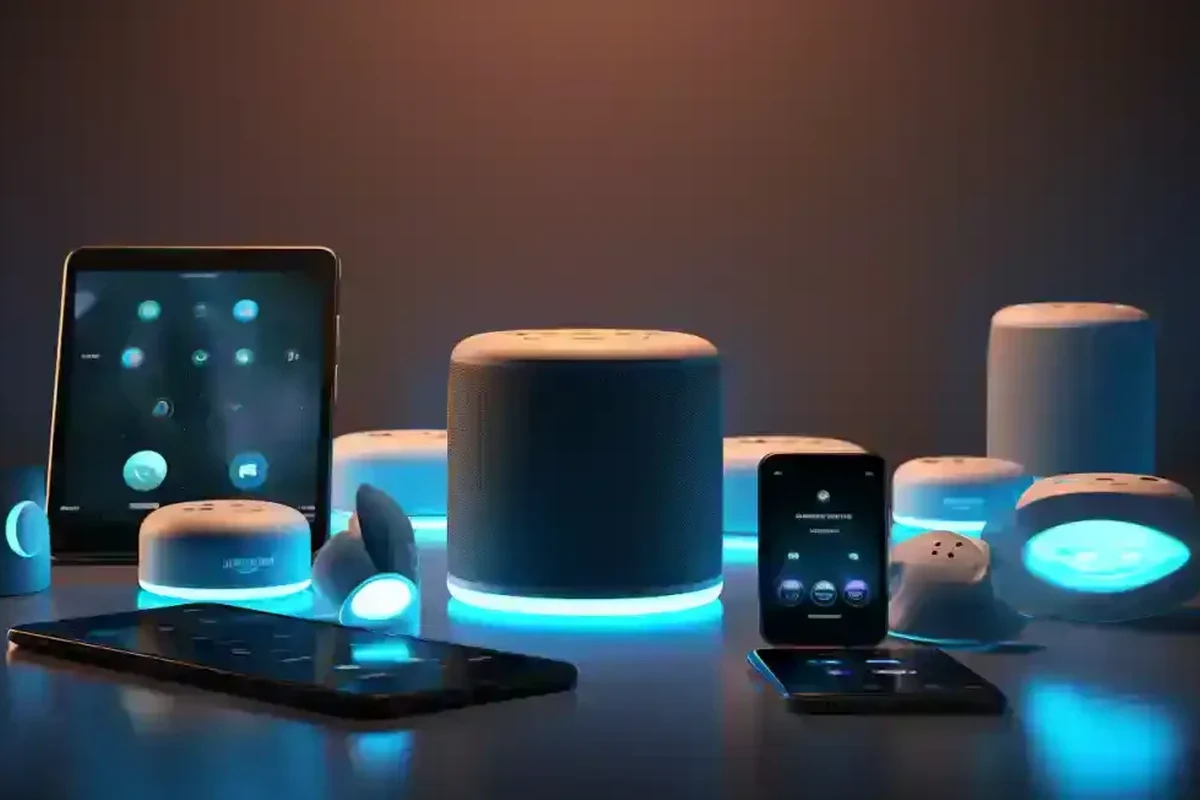
- Lights (lamps, string lights)
- Fans and heaters
- Coffee makers and kitchen appliances
- Televisions and sound systems
- Decorative items like holiday lights
For a detailed overview of device limitations and specifications, visit our usage guide.
| Device Type | Power Requirement | Notes |
|---|---|---|
| Lights | Up to 15A | Ideal for lamps and LED strips. |
| Appliances | Up to 15A | Check appliance wattage before use. |
| Electronics | Up to 15A | Compatible with most TVs and audio systems. |
Small details such as port type, charger wattage, firmware version, desk space, and app permissions can completely change the right answer.
Common Mistakes to Avoid When Using Amazon Smart Plug
Avoiding common mistakes when using the Amazon Smart Plug can significantly improve its functionality and reliability. Many users might overlook simple setup steps, such as ensuring a strong Wi-Fi connection or properly configuring voice commands with Alexa. By paying attention to these details, you can prevent frustrating issues and maximize the device’s potential in automating your home.
Not checking appliance wattage limits can lead to overheating or damage. Forgetting to connect the plug to the same Wi-Fi network as your smartphone. Neglecting to update the Alexa app, which can cause connectivity issues.
To avoid these pitfalls, always refer to your device’s specifications and the Amazon Smart Plug’s user manual. If you experience issues, check our reset guide.
Integrating with Smart Home Systems: Alexa, Google Assistant, and More
With the Amazon Smart Plug, you can easily control your devices using voice commands through Alexa. It’s also compatible with other smart home systems like Google Assistant, broadening your automation options. Integrating it with these systems is straightforward and enhances your home’s functionality.
- For Alexa: Ensure your Amazon account is linked in the Alexa app and use voice commands to control your devices.
- For Google Assistant: Use the Google Home app to add the Amazon Smart Plug as a device.
- For IFTTT: Create applets that automate actions between your smart plug and other smart devices.
This integration allows you to create routines, such as turning on lights at sunset. For more information on smart home setups, check our setup guide.
- Write down the exact error or behavior before changing settings.
- Test with another cable, port, or device when safe.
- Keep firmware, drivers, and apps updated from official sources.
Privacy and Security Considerations for Amazon Smart Plug Users
Privacy and security are paramount when integrating devices like the Amazon Smart Plug into your home. Users should be aware of the potential vulnerabilities, such as unauthorized access to their Wi-Fi network or personal data through connected apps. Implementing strong passwords and regularly updating firmware can help safeguard your information while enjoying the convenience of smart home technology.
Change the default network password to enhance security. Enable two-factor authentication on your Amazon account. Regularly update your smart plug’s firmware via the Alexa app.
Understanding these considerations can help protect your smart home ecosystem. For further advice on maintaining privacy settings, refer to our privacy guide.
Maintenance Tips for Your Amazon Smart Plug
Regular maintenance of your Amazon Smart Plug is essential for ensuring its peak performance and longevity. Simple tasks like keeping the plug clean and checking for firmware updates can prevent issues and prolong its life. By incorporating these maintenance tips into your routine, you can enjoy seamless automation without unexpected interruptions.
- Keep the plug clean and free from dust to prevent overheating.
- Periodically check the outlet for any signs of wear or damage.
- Reset the plug if you experience connectivity issues.
For detailed resetting instructions, check our reset guide.
Use official support or warranty guidance if the issue involves overheating, power, damaged cables, unstable mounting, privacy risk, data loss, or repeated failures.
When to Replace Your Amazon Smart Plug
Recognizing when to replace your Amazon Smart Plug is key to maintaining an efficient smart home setup. Signs such as frequent disconnections, inability to respond to commands, or physical damage may indicate that a replacement is necessary. Regularly assessing the device’s performance can help ensure you’re always equipped with reliable technology for your home automation needs.
Frequent disconnections or inability to connect to Wi-Fi. Overheating during use, indicating potential electrical issues. Physical damage or visible wear on the plug.
If you notice any of these signs, consider replacing your smart plug to ensure safety. For more on smart plug longevity, refer to our guides on maintaining smart devices.
This guide on how to use amazon smart plug is written for general digital-information education. For specifications, compatibility, prices, availability, firmware/software versions, warranty terms, recalls, privacy settings, or safety limits, confirm details with the official manual, manufacturer page, retailer listing, warranty document, or current support notice before acting.
Practical Examples: Everyday Uses for Your Smart Plug
The Amazon Smart Plug offers numerous practical applications that can simplify everyday tasks. From scheduling lights to turn on at specific times to controlling appliances remotely, the possibilities are vast. By thinking about your daily routines, you can identify which devices would benefit most from smart plug integration and enhance your home’s efficiency.
- Set your coffee maker to brew automatically each morning.
- Control your lights remotely, perfect for when you’re away from home.
- Automate seasonal decorations, like holiday lights, to turn on and off at specific times.
These examples illustrate how the Amazon Smart Plug can simplify daily tasks and improve convenience. For more creative ideas, check our usage guide.
What This Means for Tech Buyers: Smart Plug Benefits and Features
The Amazon Smart Plug offers numerous benefits, making it an attractive option for tech buyers looking to enhance their home automation setup. Key features include easy integration with Alexa, simple setup, and the ability to control multiple devices. These benefits translate to energy savings and increased convenience in daily routines. Evaluating these aspects can assist potential buyers in making informed decisions about their smart home purchases.
Final Words
The Amazon Smart Plug serves as a practical tool for simplifying home automation. By learning how to use it effectively, connecting it with other smart home systems, and performing regular maintenance, you can enjoy greater convenience and efficiency. This plug is a valuable addition for anyone looking to enhance their tech-savvy home.
💡 Sufiya Begom's Smart Home Note: Check Wi-Fi band, app permissions, firmware updates, privacy settings, ecosystem support, and safe electrical load before relying on any smart-home device.
Frequently Asked Questions
Questions about Smart Plug often depend on the exact model, connection method, software support, and daily use case. Similar products can behave differently even when they look alike or share a category name. Check current manufacturer documentation whenever compatibility, safety, privacy, firmware, or warranty details affect the answer.
Start with intended use, fit, verified specifications, safety instructions, care needs, and important limitations.
Start with the exact Smart Plug model, connection method, compatibility requirements, and the specific result you need. Current manufacturer documentation is the safest place to confirm details that vary by model.
Check the operating system, ports or wireless standard, power requirements, app or driver support, and any ecosystem limitations that apply to the exact setup.
A common mistake is treating every Smart Plug product or setup as interchangeable. Similar-looking models can differ in ports, software support, power needs, dimensions, or privacy controls.
Use the cleaning, ventilation, inspection, charging, storage, and update guidance that applies to the product type. Disconnect power first whenever the manufacturer instructions require it.
Stop and seek official support when the problem involves overheating, damaged power hardware, unstable mounting, repeated failures, data loss, or a privacy concern you cannot resolve safely.

Sufiya Begom is a Passionate Digital Innovator and the Visionary Founder of the Dynamic Platform, Digital Pro Info. With a deep-rooted enthusiasm for digital technologies, Sufiya has built a comprehensive space that offers valuable insights into digital products, reviews, guides, software, and sales, empowering individuals to make informed decisions in the ever-evolving digital landscape.