
Yes, you need a monitor arm for better ergonomics at work. A monitor arm allows for adjustable positioning, reducing neck and eye strain, and promoting a healthier workspace setup.
Last updated: November 24, 2026
Yes, you do need a monitor arm for better ergonomics at work. A monitor arm can help you achieve the optimal viewing height and angle, reducing strain on your neck and eyes. With improved posture and flexibility, your workspace can become more comfortable and efficient.
- Start with the setup: Device model, OS, ports, power needs, and workspace change the right answer.
- Check compatibility first: Verify specifications, drivers, firmware, app support, warranty, and return policy before acting.
- Use practical steps: Change one setting or product variable at a time so you can see what.
- Know the limits: Tech advice varies by model, brand, operating system, retailer, firmware version, and official support.
Do I Need a Monitor Arm for Better Ergonomics at Work?
In today’s demanding work environment, an ergonomic workspace is vital for both comfort and productivity. A monitor arm plays an important role in achieving this setup, allowing for better posture and reduced physical strain while you work. For related context, you may also want to read do robot vacuums need wifi to work.
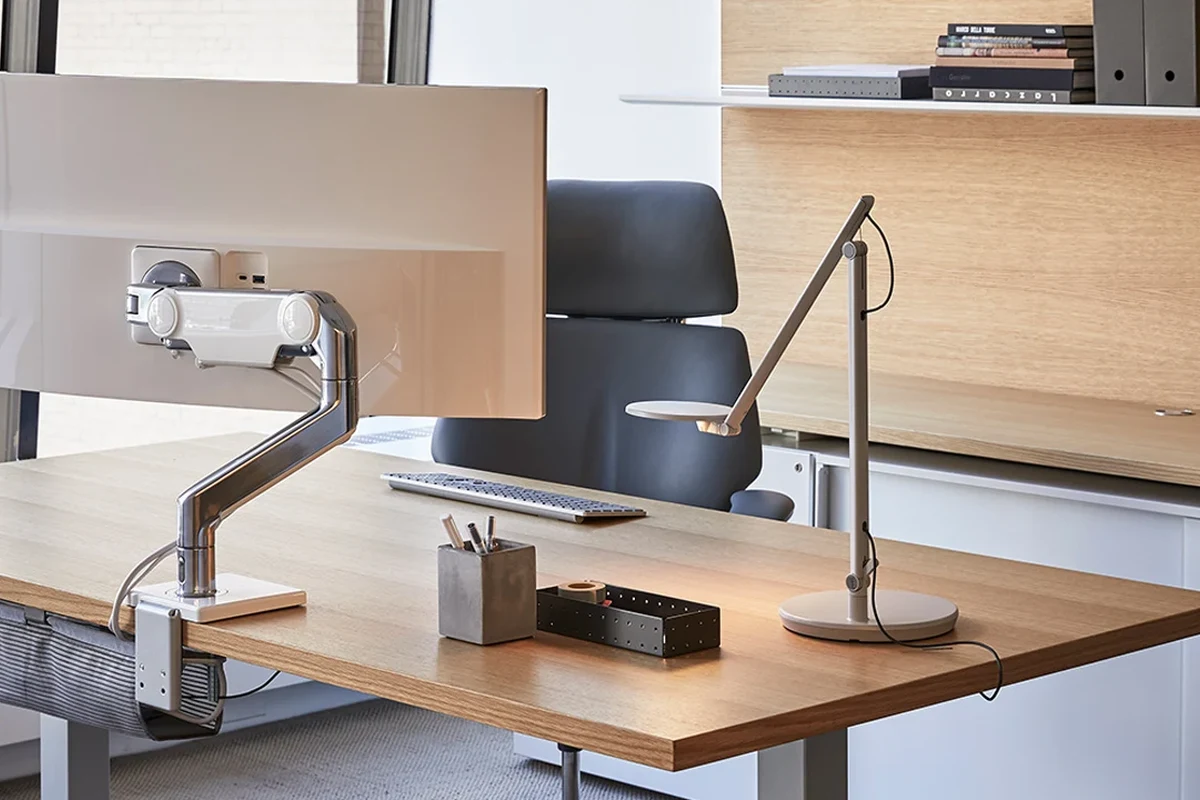
Understanding Monitor Arms and Their Benefits
Monitor arms are adjustable mounts designed to raise and reposition your monitor to an optimal height and angle. This customization enhances comfort while also freeing up desk space, leading to a more organized and efficient workspace. This connects closely with what do you need for smart lights if you want to compare the topic in more detail.
- Adjustable height and tilt for personalized viewing angles.
- Increased desk space by elevating monitors off the surface.
- Enhanced posture and comfort, reducing neck and back pain.
Use this guide for do i need a monitor arm as a practical checklist, then adjust the advice to your exact device model, operating system, workspace, and budget.
How Monitor Arms Improve Your Workspace Ergonomics
Enhancing your workspace ergonomics is important for maintaining your health and productivity over time. Monitor arms help align your monitor at eye level, which encourages a healthier posture and reduces discomfort during long hours of work.
| Benefit | Description |
|---|---|
| Eye Level Alignment | Monitor arms allow you to adjust the height of your monitor, ensuring it is at eye level to reduce neck strain. |
| Flexible Positioning | They enable you to tilt, swivel, and rotate your monitor, promoting a customizable workspace suited to your needs. |
| Space Saving | By elevating the monitor, you free up desk space for other tools and accessories, contributing to a more organized workspace. |
| Improved Posture | Proper monitor height encourages a natural sitting posture, reducing the risk of back pain and other discomforts. |
Encourages proper eye level alignment to reduce neck strain. Allows for easy adjustments to accommodate different tasks. Promotes a more organized workspace by reducing clutter. You can also use is alexa better than siri for smart home controls as a helpful next guide on the same tech-accessories topic.
Small details such as port type, charger wattage, firmware version, desk space, and app permissions can completely change the right answer.
Compatibility: Which Monitors Work with Monitor Arms?
Not every monitor is compatible with every monitor arm, making it essential to check specifications before buying. Key factors include weight capacity and mounting options, ensuring that your chosen monitor arm will work effectively with your monitor model. You can also use how does an online hotel booking system work for online website as a helpful next guide on the same setup or usability topic.
| Monitor Type | Compatibility Features | What to Check |
|---|---|---|
| Standard Monitors | VESA mount compatible | Check VESA size (75mm or 100mm) |
| Ultrawide Monitors | Weight capacity and arm length | Ensure arm can support the monitor’s weight |
| Curved Monitors | Adjustability for curvature | Check for mounting stability |
Setting Up Your Monitor Arm: Step-by-Step Guide
Setting up a monitor arm might seem intimidating, but a clear process can make it manageable. Follow a step-by-step guide to ensure secure installation, optimizing your workspace for an ergonomic experience.
Essential Tools for Installation
Before you begin, gather the necessary tools to ensure a smooth installation process. Having the right equipment will help you avoid any unnecessary delays or complications while mounting your monitor arm.
- Power drill (if required for mounting).
- Level tool to ensure straight installation.
- Measuring tape for optimal placement.
Adjusting for Optimal Viewing Angles
Once your monitor arm is installed, adjusting it to achieve the best viewing angles is crucial. Proper adjustments can greatly enhance comfort and reduce eye strain during extended periods of use. This subsection will guide you on how to make these adjustments effectively. This connects closely with do i need a smart home hub if you want to compare the topic in more detail.
- Adjust the height
Ensure the top of the monitor is at or just below eye level.
- Set the tilt
Angle the monitor slightly upward for comfortable viewing.
- Position the monitor
Place the monitor an arm’s length away from your eyes to avoid strain.
Ensure your monitor arm is securely mounted to prevent accidents. Regularly check for loose screws and stability to ensure safety.
Common Mistakes When Using Monitor Arms
While monitor arms offer many advantages, users can encounter common mistakes that undermine their benefits. Being aware of these pitfalls can help you maximize the ergonomic advantages offered by your monitor arm.

Not adjusting the monitor height correctly, leading to neck strain. Overloading the arm with a monitor that exceeds weight limits. Failing to secure the arm properly, risking instability. This also connects with do i need smart smoke detector in every room if you want to avoid a similar setup or buying mistake.
Alternatives to Monitor Arms: What Are Your Options?
If a monitor arm isn’t suitable for your needs, various alternatives are available. Each option for monitor placement comes with its own set of benefits and drawbacks, impacting your workspace ergonomics differently.
Monitor Stands vs. Monitor Arms
Monitor stands are a common alternative to monitor arms and provide a stable platform for your monitor. However, they lack the adjustability that monitor arms offer. This subsection will compare the benefits and limitations of each option.
- Monitor stands provide stability but limit height adjustments.
- Monitor arms facilitate dynamic positioning for better ergonomics.
- Consider your workspace size when choosing between the two.
Wall-Mounted Monitors: Pros and Cons
Wall-mounted monitors can save desk space and provide an aesthetically pleasing setup, but they come with their own set of challenges. This subsection will discuss the pros and cons of wall-mounted monitors as an alternative to traditional setups.
Pros: Saves desk space and can be positioned at eye level. Cons: Permanent installation can limit flexibility. Not easily adjustable without additional tools. For related context, you may also want to read how does a smart garage door opener work.
- Verify specs before buying or changing your setup.
- Keep damaged cables, weak mounts, and overheating devices out of use.
- Prefer simple, reversible fixes before advanced changes.
Safety and Stability: Ensuring Secure Mounting
Secure mounting is vital for both safety and the longevity of your monitor arm setup. Ensuring that your monitor arm is properly mounted will keep it stable and safe for daily use. This also connects with do robot vacuums work on carpet if you want to avoid a similar setup or buying mistake.
This guide on do i need a monitor arm is written for general digital-information education. For specifications, compatibility, prices, availability, firmware/software versions, warranty terms, recalls, privacy settings, or safety limits, confirm details with the official manual, manufacturer page, retailer listing, warranty document, or current support notice before acting.
Maintenance Tips for Your Monitor Arm
Maintaining your monitor arm is essential for its long-term performance. Regular maintenance tips can help keep it in excellent condition, ensuring it continues to function effectively over time.
- Regularly check screws and bolts for tightness.
- Clean the arm to prevent dust buildup.
- Inspect for any signs of wear or damage.
Understanding the Impact of Monitor Arm Choices on Your Workspace
do i need a monitor arm depends on your device model, operating system, ports, workspace, budget, and daily use case. Use this article as a practical guide, then verify model-specific specs before buying, fixing, or changing your setup.
Start with compatibility and safety before convenience. Change one variable at a time when troubleshooting. Check official documentation when specifications or support status matter.
Final Words
Investing in a monitor arm is a smart choice for anyone aiming to improve their workspace ergonomics. With adjustable height and positioning, a monitor arm can help reduce discomfort and create a more organized work area.
💡 Sufiya Begom's Setup Advice: Check VESA support, screen weight, desk thickness, eye level, cable clearance, and stability before buying or mounting any monitor accessory.
Frequently Asked Questions
Questions about Monitor Arm often depend on the exact model, connection method, software support, and daily use case. Similar products can behave differently even when they look alike or share a category name. Check current manufacturer documentation whenever compatibility, safety, privacy, firmware, or warranty details affect the answer.
Start with intended use, fit, verified specifications, safety instructions, care needs, and important limitations.
Start with the exact Monitor Arm model, connection method, compatibility requirements, and the specific result you need. Current manufacturer documentation is the safest place to confirm details that vary by model.
Check the operating system, ports or wireless standard, power requirements, app or driver support, and any ecosystem limitations that apply to the exact setup.
A common mistake is treating every Monitor Arm product or setup as interchangeable. Similar-looking models can differ in ports, software support, power needs, dimensions, or privacy controls.
Use the cleaning, ventilation, inspection, charging, storage, and update guidance that applies to the product type. Disconnect power first whenever the manufacturer instructions require it.
Stop and seek official support when the problem involves overheating, damaged power hardware, unstable mounting, repeated failures, data loss, or a privacy concern you cannot resolve safely.

Sufiya Begom is a Passionate Digital Innovator and the Visionary Founder of the Dynamic Platform, Digital Pro Info. With a deep-rooted enthusiasm for digital technologies, Sufiya has built a comprehensive space that offers valuable insights into digital products, reviews, guides, software, and sales, empowering individuals to make informed decisions in the ever-evolving digital landscape.