
Yes, you need a monitor arm for better ergonomics. It allows for optimal screen positioning, reducing neck and eye strain, and promoting a healthier workspace.
Last updated: November 24, 2026
Yes, you do need a monitor arm for better ergonomics, especially if you spend long hours at your desk. A monitor arm allows you to adjust the height, angle, and distance of your screen, promoting a healthier posture and reducing strain on your neck and eyes.
- Start with the setup: Device model, OS, ports, power needs, and workspace change the right answer.
- Check compatibility first: Verify specifications, drivers, firmware, app support, warranty, and return policy before acting.
- Use practical steps: Change one setting or product variable at a time so you can see what.
- Know the limits: Tech advice varies by model, brand, operating system, retailer, firmware version, and official support.
Do I Need a Monitor Arm for Better Ergonomics?
Understanding the benefits of a monitor arm can transform your workspace experience. This section explores how monitor arms enhance ergonomics and can lead to a more comfortable and efficient working environment. For related context, you may also want to read what do you need for smart lights.
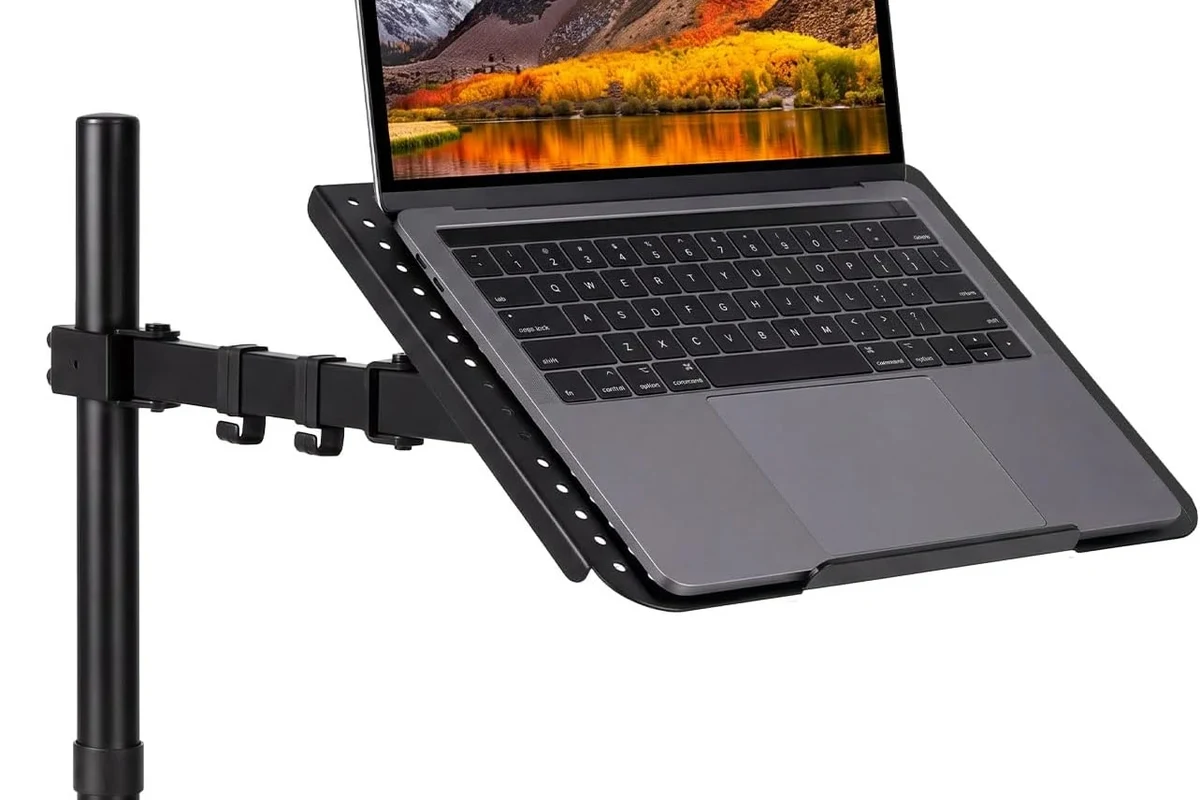
Understanding the Benefits of Using a Monitor Arm
Monitor arms provide versatile adjustments that can significantly improve your workspace ergonomics. They allow you to position your screen at the optimal height and angle, reducing physical strain. Using a monitor arm can lead to better posture, reduced eye strain, and increased productivity. This connects closely with is alexa better than siri for smart home controls if you want to compare the topic in more detail.
Use this guide for do i need a monitor arm as a practical checklist, then adjust the advice to your exact device model, operating system, workspace, and budget.
How Monitor Arms Improve Workspace Ergonomics
Monitor arms help create a more ergonomic workspace by allowing for customizable positioning of your monitor. This adjustment can prevent discomfort associated with prolonged computer use, such as neck pain and eye strain. You can also use do i need a smart home hub as a helpful next guide on the same tech-accessories topic.
- Enhanced posture: Adjusting monitor height helps maintain a neutral spine position.
- Increased workspace: A monitor arm frees up desk space for other essential items.
- Customizable angles: You can tilt and swivel your monitor to reduce glare and optimize your view.
| Feature | Benefit | Considerations |
|---|---|---|
| Height Adjustability | Promotes a neutral neck position | Check range of motion |
| Swivel & Tilt | Reduces glare and improves visibility | Ensure smooth movement |
| VESA Compatibility | Easy mounting options | Verify monitor specifications |
Small details such as port type, charger wattage, firmware version, desk space, and app permissions can completely change the right answer.
Compatibility: What to Consider Before Buying a Monitor Arm
When selecting a monitor arm, it’s important to ensure it’s compatible with both your monitor and your desk. Key considerations include the weight capacity of the arm, VESA mount specifications, and the type of desk attachment you’ll need for a secure fit.
Monitor weight: Ensure the arm can support your monitor’s weight. VESA mount: Confirm your monitor is VESA compatible. Desk thickness: Check the arm’s mounting requirements based on your desk’s thickness. This connects closely with do i need smart smoke detector in every room if setup or performance is part of the issue.
Setting Up Your Monitor Arm: A Step-by-Step Guide
Installing a monitor arm can seem daunting, but it’s a straightforward process. Proper setup is essential for maximizing the ergonomic benefits and ensuring stability.
Essential Tools Needed for Installation
Gathering the right tools can streamline the installation process. Common tools include a screwdriver, level, and possibly a drill, depending on your desk type.
- Screwdriver: Usually a Phillips or flathead, depending on the arm design.
- Level: Ensures your monitor is straight and properly aligned.
- Drill: Required for some mounting options, especially through desktops.
Common Setup Mistakes to Avoid
Even with a simple installation, certain mistakes can affect the usability of your monitor arm. Being aware of these can save time and frustration.
Not checking weight limits: Always verify your monitor’s weight against the arm’s specifications. Ignoring ergonomic guidelines: Position the monitor at eye level to promote healthy posture. Improper desk attachment: Ensure the arm is securely mounted to prevent accidents. For related safety context, compare this with do robot vacuums need wifi to work.
- Verify specs before buying or changing your setup.
- Keep damaged cables, weak mounts, and overheating devices out of use.
- Prefer simple, reversible fixes before advanced changes.
Types of Monitor Arms: Which One Is Right for You?
There are various types of monitor arms, each suited to different needs and preferences. Understanding the distinctions can assist in selecting the best option for your workspace. You can also use best uses for a smart plug as a helpful next guide on the same tech-accessories topic.
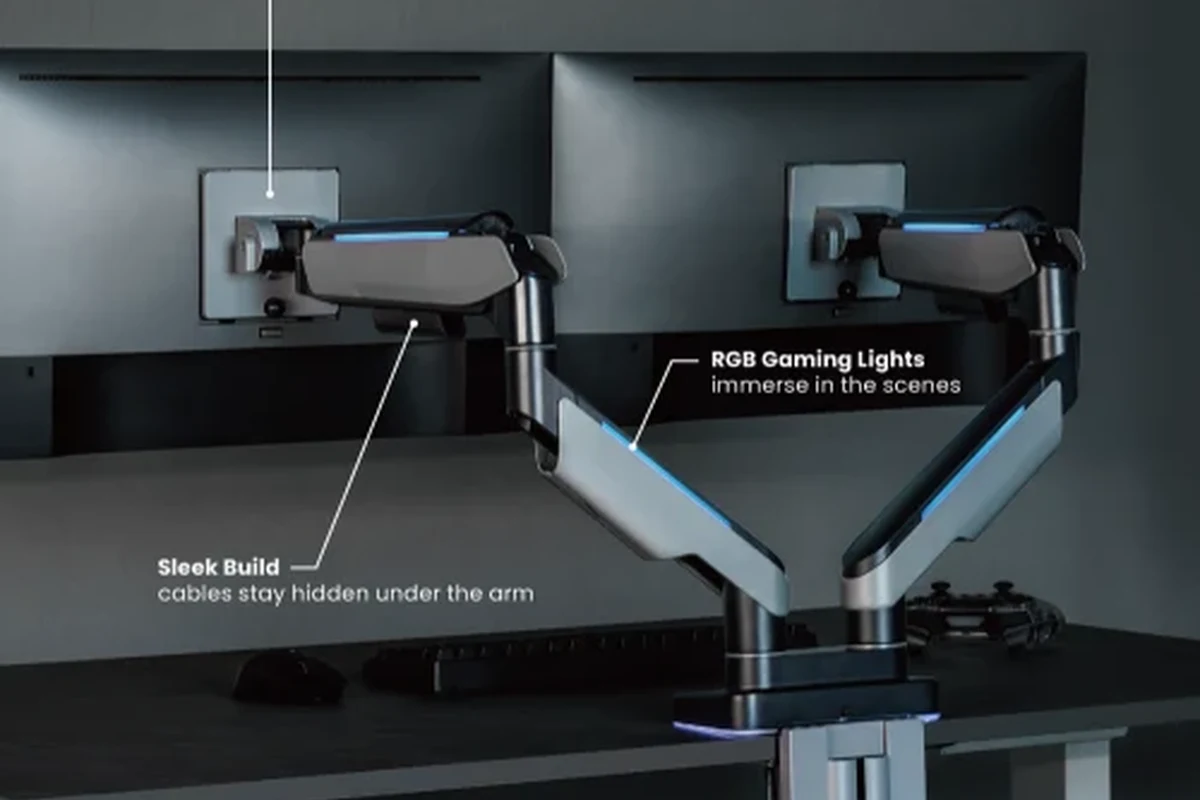
- Single-arm mounts: Ideal for minimalistic setups.
- Dual-arm mounts: Perfect for multitasking with multiple screens.
- Full-motion arms: Allow extensive adjustability for diverse viewing angles.
Performance and Adjustability: Key Features to Look For
Performance and adjustability are crucial aspects to consider when choosing a monitor arm. Look for options that allow for smooth height adjustments and swivel capabilities to customize your setup. This will not only improve your comfort but also enhance your productivity during long working hours.
Gas spring mechanism: Provides smooth adjustments without manual effort. Range of motion: Look for arms with extensive swivel and tilt options. Cable management: Some arms include features to organize cables neatly. For related context, you may also want to read what is a smart key for door.
Check the official manual, support page, and warranty details when specifications, compatibility, safety, or replacement decisions matter.
Alternatives to Monitor Arms: Are There Better Options?
While monitor arms offer many benefits, other options can also improve your setup. Exploring alternatives can help you find the best fit for your needs. This connects closely with do you like alexa or siri better if you want to compare the topic in more detail.
- Monitor stands: A simpler, stationary solution for height adjustment.
- Adjustable desks: Allow you to change the height of your entire workspace.
- Wall mounts: Save desk space but require more permanent installation.
This guide on do i need a monitor arm is written for general digital-information education. For specifications, compatibility, prices, availability, firmware/software versions, warranty terms, recalls, privacy settings, or safety limits, confirm details with the official manual, manufacturer page, retailer listing, warranty document, or current support notice before acting.
Maintenance Tips for Your Monitor Arm
To ensure longevity and optimal performance of your monitor arm, regular maintenance is essential. This includes checking for wear and tear and ensuring secure attachments.
Inspect regularly: Look for loose screws or signs of wear. Clean periodically: Dust and debris can affect movement and aesthetics. Check for stability: Ensure the arm remains securely mounted and adjust as necessary.
How a Monitor Arm Enhances Your Workspace Ergonomics
For tech buyers, understanding the role of a monitor arm in improving ergonomics is vital. Investing in a quality monitor arm can lead to a more comfortable workspace, promoting productivity and health.
Final Words
Deciding if a monitor arm is right for you depends on your workspace and comfort preferences. However, a monitor arm can greatly improve your ergonomic setup, making it a valuable option for anyone who spends long hours at their desk.
💡 Sufiya Begom's Setup Advice: Check VESA support, screen weight, desk thickness, eye level, cable clearance, and stability before buying or mounting any monitor accessory.
Frequently Asked Questions
Questions about Monitor Arm often depend on the exact model, connection method, software support, and daily use case. Similar products can behave differently even when they look alike or share a category name. Check current manufacturer documentation whenever compatibility, safety, privacy, firmware, or warranty details affect the answer.
Start with intended use, fit, verified specifications, safety instructions, care needs, and important limitations.
Start with the exact Monitor Arm model, connection method, compatibility requirements, and the specific result you need. Current manufacturer documentation is the safest place to confirm details that vary by model.
Check the operating system, ports or wireless standard, power requirements, app or driver support, and any ecosystem limitations that apply to the exact setup.
A common mistake is treating every Monitor Arm product or setup as interchangeable. Similar-looking models can differ in ports, software support, power needs, dimensions, or privacy controls.
Use the cleaning, ventilation, inspection, charging, storage, and update guidance that applies to the product type. Disconnect power first whenever the manufacturer instructions require it.
Stop and seek official support when the problem involves overheating, damaged power hardware, unstable mounting, repeated failures, data loss, or a privacy concern you cannot resolve safely.

Sufiya Begom is a Passionate Digital Innovator and the Visionary Founder of the Dynamic Platform, Digital Pro Info. With a deep-rooted enthusiasm for digital technologies, Sufiya has built a comprehensive space that offers valuable insights into digital products, reviews, guides, software, and sales, empowering individuals to make informed decisions in the ever-evolving digital landscape.