
Yes, your desk can support a monitor arm if it has a sturdy construction and the right weight capacity. Check the desk’s material, thickness, and weight limits to ensure it can accommodate the monitor arm securely.
Last updated: November 22, 2026
With remote work on the rise, many professionals are looking for ways to enhance their workspace. A common question arises: can my desk support a monitor arm? Assessing your desk’s structural integrity and weight capacity is vital for safely mounting a monitor arm.
This guide covers important factors to help ensure your setup is functional and secure.
- Start with the setup: Device model, OS, ports, power needs, and workspace change the right answer.
- Check compatibility first: Verify specifications, drivers, firmware, app support, warranty, and return policy before acting.
- Use practical steps: Change one setting or product variable at a time so you can see what.
- Know the limits: Tech advice varies by model, brand, operating system, retailer, firmware version, and official support.
Can My Desk Support a Monitor Arm? Understanding Weight and Design Considerations
Before mounting a monitor arm, it’s vital to understand the weight limits and design aspects of your desk. The monitor arm’s weight and the desk’s capacity are critical for stability and safety. Assessing these factors will help you avoid potential damage and ensure an ergonomic workspace. For related safety or troubleshooting context, you may also want to read nanit plus vs pro baby monitor setup.
Assessing Your Desk’s Weight Capacity for Monitor Arms
Determining your desk’s weight capacity is the first step in evaluating its ability to support a monitor arm. Desks come in various types, each with different weight limits. It’s essential to check this information before making a purchase.
Common Weight Limits for Different Desk Types
Weight limits can vary significantly based on desk type and design. Most standard desks can support between 50 to 150 pounds; however, it’s essential to check specific models.
- Wood Desks: Typically support more weight due to their robust construction.
- Metal Desks: Often have a higher weight capacity but can vary based on design.
- Glass Desks: Usually support less weight; check specifications carefully.
How to Find Your Desk’s Weight Capacity
Finding your desk’s weight capacity is crucial for safety. Often, this information is available in the product manual or on the manufacturer’s website. If unavailable, consider contacting customer support for assistance.
Check the manufacturer’s website for specifications. Look for weight capacity labels or documentation. Contact customer support if information isn’t readily available. This connects closely with can am smart lock setup tips troubleshooting if you want to compare the topic in more detail.
Use this guide for can my desk support a monitor arm as a practical checklist, then adjust the advice to your exact device model, operating system, workspace, and budget.
Monitor Arm Compatibility: Key Features to Look For
When selecting a monitor arm, ensuring compatibility with your desk is essential. Key features include weight limits, VESA standards, and adjustability options that suit your needs.
| Feature | Importance |
|---|---|
| Weight Capacity | Ensures the monitor arm can support your monitor’s weight. |
| VESA Compatibility | Matches the monitor arm’s mount to your monitor’s VESA holes. |
| Adjustability | Allows for positioning flexibility for optimal ergonomics. |
| Desk Thickness | Determines if the monitor arm can securely attach to your desk. |
VESA Mounting Standards Explained
Most monitor arms use VESA (Video Electronics Standards Association) mounting patterns, which dictate how monitors attach. Understanding these standards will help you find a compatible monitor arm for your setup.
- 75×75 mm: Common for smaller monitors.
- 100×100 mm: Standard for most monitors.
- 200×100 mm: Used for larger displays.
Adjustability Features That Matter
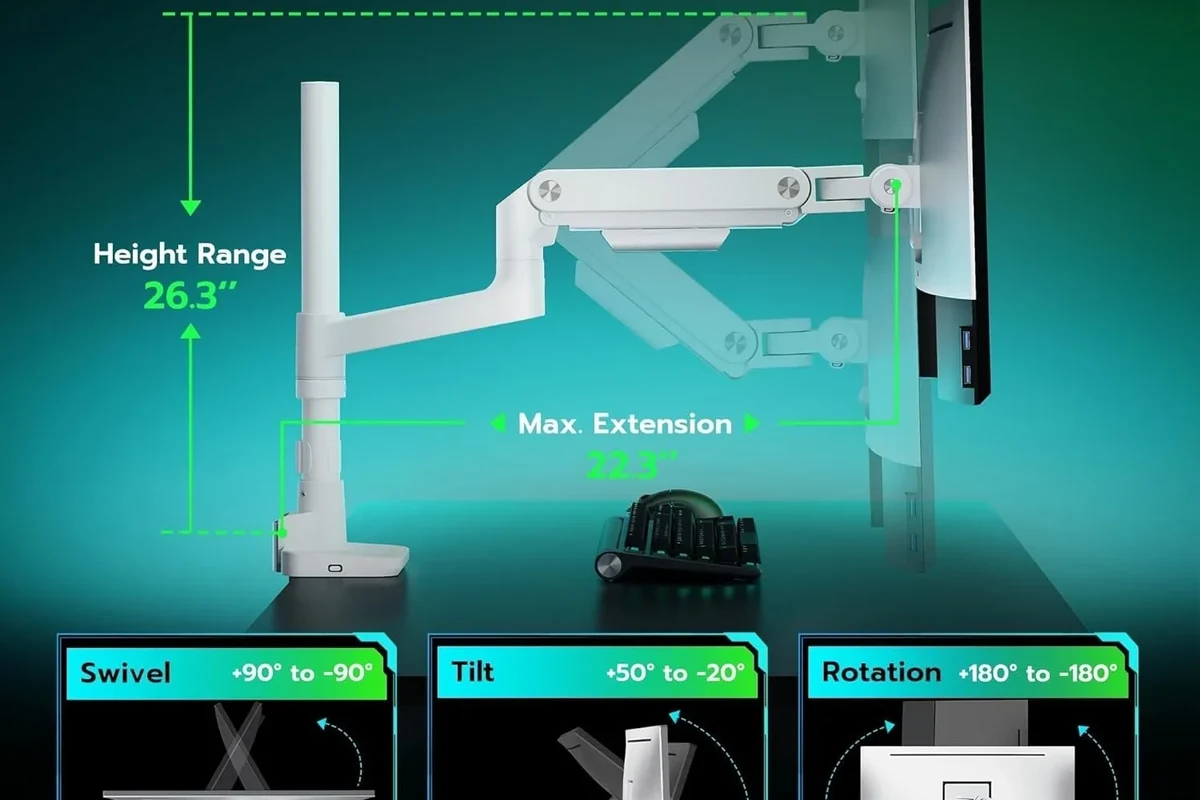
Adjustability is a significant factor in monitor arms, allowing you to customize your viewing experience. Key adjustments include height, tilt, and swivel options, which can enhance ergonomics.
Height Adjustment: Allows the monitor to be set at eye level. Tilt Adjustment: Helps reduce glare and neck strain. Swivel Options: Facilitates sharing screens easily. You can also use who can install smart camera garage door as a helpful next guide on the same tech-accessories topic.
Small details such as port type, charger wattage, firmware version, desk space, and app permissions can completely change the right answer.
Desk Material and Construction: What You Need to Know
The desk’s material and construction significantly affect its ability to support a monitor arm. Understanding the differences between materials can guide your decision-making process.
Wood vs. Metal: Which Material is Better?
Wood and metal desks both have their advantages and disadvantages when supporting monitor arms. Evaluating the material can help you choose the best option for your needs.
- Wood Desks: Generally sturdy and capable of supporting heavier loads.
- Metal Desks: Often more durable but can have weight restrictions based on design.
- Combination Desks: May offer the best of both worlds, depending on construction quality.
Understanding Structural Integrity and Stability
A desk’s structural integrity is vital for safely mounting a monitor arm. Look for desks with a solid frame and minimal wobble to ensure stability during use.
Check for reinforced corners and sturdy joints. Inspect the overall weight distribution of the desk. Assess the stability when applying pressure to the surface. For related context, you may also want to read how to install a smart thermostat.
- Write down the exact error or behavior before changing settings.
- Test with another cable, port, or device when safe.
- Keep firmware, drivers, and apps updated from official sources.
Installation Process: Steps to Safely Attach a Monitor Arm
Installing a monitor arm requires careful attention to instructions to ensure safety and functionality. Following the correct steps will help you achieve a secure installation.
Tools You’ll Need for a Smooth Installation
Gathering the right tools before installation can make the process smoother and more efficient. Common tools required often include a screwdriver and possibly a drill.
- Phillips screwdriver for attaching the monitor arm.
- Drill for creating holes if needed.
- Level to ensure the monitor is straight after installation.
Common Installation Mistakes to Avoid
Being aware of common installation mistakes can save time and prevent accidents. Ensuring each step is completed correctly is key to a successful setup.
Don’t skip reading the manufacturer’s instructions. Avoid over-tightening screws, which can damage the desk. Ensure the monitor arm is securely attached before mounting the monitor. For related safety context, compare this with how to install a smart lock common mistakes to avoid.
Ergonomics and Positioning: Setting Up Your Monitor Arm Correctly
Proper positioning of your monitor arm is crucial for ergonomic comfort. Understanding the best height and angle for your monitor can reduce strain during use.
Optimal Monitor Height and Angle for Eye Comfort
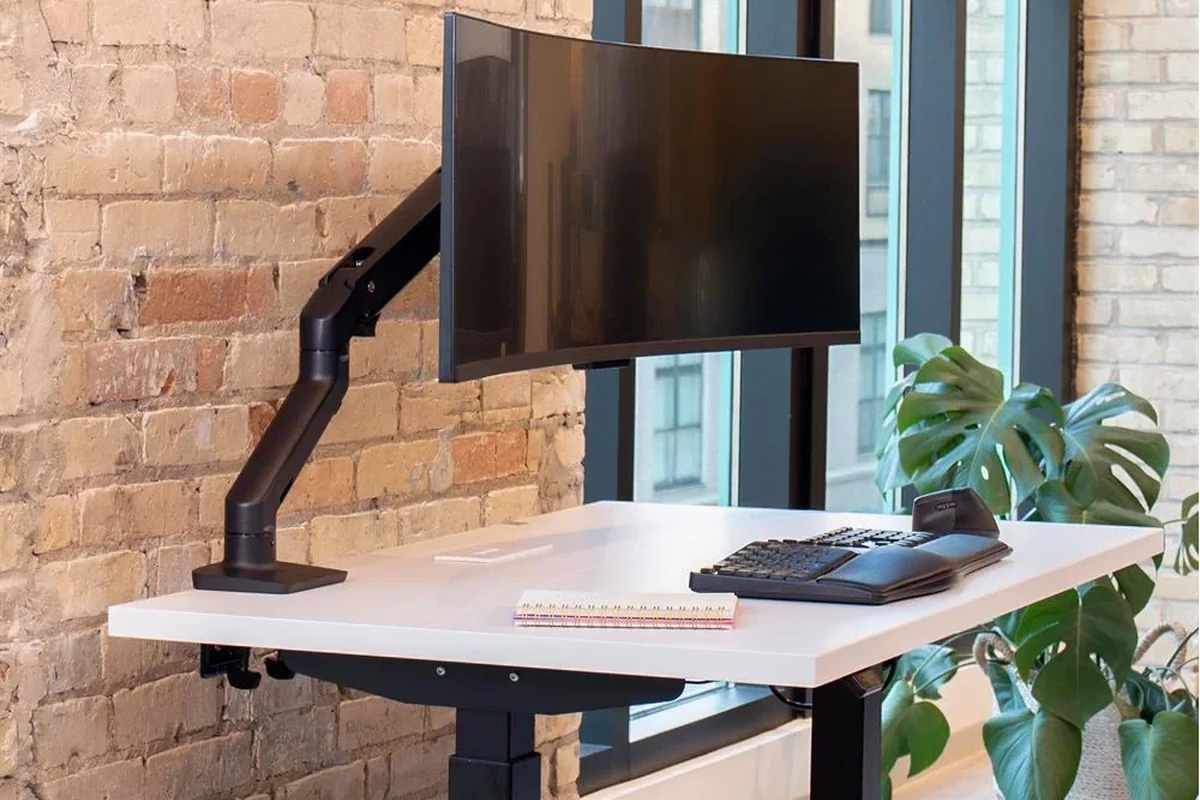
Setting your monitor at the right height and angle is essential for eye comfort and posture. The top of the screen should generally be at or just below eye level.
- Position the monitor about an arm’s length away.
- Ensure the top of the screen is at or slightly below eye level.
- Adjust the angle to minimize glare from overhead lights.
Adjusting for Multiple Monitors: Best Practices
Adjusting for multiple monitors requires careful planning to maximize your workspace. A well-thought-out arrangement will not only enhance your productivity but also minimize physical strain while working. Experiment with different setups to find the most comfortable configuration for your needs.
Align the monitors at the same height for consistent viewing. Position the primary monitor directly in front of you. Angle secondary monitors slightly towards your line of sight. This connects closely with how to install a lock on a door if setup or performance is part of the issue.
Use official support or warranty guidance if the issue involves overheating, power, damaged cables, unstable mounting, privacy risk, data loss, or repeated failures.
Safety Considerations When Using a Monitor Arm
Safety considerations are crucial when using a monitor arm to prevent injuries or equipment damage. Ensure that your monitor arm is securely installed and regularly inspect it for any weaknesses. Following safety guidelines will help maintain a secure and efficient workspace.
Preventing Desk Damage from Overweight Loads
Preventing desk damage involves being mindful of the weight limits of your desk and monitor arm combination. Always check the specifications to ensure your setup remains within safe load limits. Taking these precautions will help avoid costly repairs or replacements in the future.
- Check the weight rating of both the monitor and the arm.
- Use a scale to verify the total weight if needed.
- Be mindful of additional equipment, such as speakers or webcams.
Ensuring Stability to Avoid Accidents
Ensuring stability is essential for preventing accidents while using a monitor arm. Regularly inspect the monitor arm installation and make adjustments as needed to maintain a secure setup. A stable workstation not only improves safety but also positively impacts your overall work experience.
Inspect the monitor arm regularly for any wobble or looseness. Ensure the desk is on a flat, stable surface. Adjust the arm if you notice any instability. For related safety context, compare this with how to connect to a google speaker.
When to Replace Your Desk: Signs It’s Time for an Upgrade
Knowing when to replace your desk can save you from potential accidents and improve your workspace. Recognizing the signs of wear and tear is essential.
Identifying Wear and Tear in Your Current Desk
Visible signs of damage can indicate that your desk is no longer suitable for supporting a monitor arm. Regular inspections can help catch problems early.
- Look for cracks, warping, or sagging.
- Check for loose screws or unstable legs.
- Assess the overall sturdiness when pressure is applied.
Choosing the Right Desk for Monitor Arm Support
Choosing the right desk is vital for supporting your monitor arm effectively. Look for desks made from sturdy materials with an appropriate weight capacity to accommodate your equipment. This careful selection will enhance both functionality and longevity in your workspace.
Opt for sturdy materials like solid wood or metal. Verify the weight capacity against your monitor’s specifications. Choose designs that offer enough surface area for your setup. This connects closely with how to connect a smart bulb to alexa if you want to compare the topic in more detail.
This guide on can my desk support a monitor arm is written for general digital-information education. For specifications, compatibility, prices, availability, firmware/software versions, warranty terms, recalls, privacy settings, or safety limits, confirm details with the official manual, manufacturer page, retailer listing, warranty document, or current support notice before acting.
What This Means for Tech Buyers: Making Informed Decisions
Understanding your desk’s compatibility with a monitor arm can guide your purchasing decisions effectively. By evaluating weight limits, materials, and ergonomic features, you can create a comfortable and functional workspace that prevents potential damage and accidents.
Final Words: Ensuring Your Setup Meets Your Needs
Before buying a monitor arm, take the time to assess your desk’s weight capacity, material, and overall construction. By considering these factors, you can establish a safe and ergonomic workspace that meets your needs. Regularly inspect your setup to maintain safety and comfort.
Final Words
can my desk support a monitor arm is easiest to handle by confirming compatibility first and changing one connection, setting, cable, port, driver, permission, or app step at a time. Move to the official manual or manufacturer support when heat, power, privacy, warranty, or repeated failure is involved.
💡 Sufiya Begom's Setup Advice: Check VESA support, screen weight, desk thickness, eye level, cable clearance, and stability before buying or mounting any monitor accessory.
Frequently Asked Questions
Questions about Monitor Arm often depend on the exact model, connection method, software support, and daily use case. Similar products can behave differently even when they look alike or share a category name. Check current manufacturer documentation whenever compatibility, safety, privacy, firmware, or warranty details affect the answer.
Start with intended use, fit, verified specifications, safety instructions, care needs, and important limitations.
Start with the exact Monitor Arm model, connection method, compatibility requirements, and the specific result you need. Current manufacturer documentation is the safest place to confirm details that vary by model.
Check the operating system, ports or wireless standard, power requirements, app or driver support, and any ecosystem limitations that apply to the exact setup.
A common mistake is treating every Monitor Arm product or setup as interchangeable. Similar-looking models can differ in ports, software support, power needs, dimensions, or privacy controls.
Use the cleaning, ventilation, inspection, charging, storage, and update guidance that applies to the product type. Disconnect power first whenever the manufacturer instructions require it.
Stop and seek official support when the problem involves overheating, damaged power hardware, unstable mounting, repeated failures, data loss, or a privacy concern you cannot resolve safely.

Sufiya Begom is a Passionate Digital Innovator and the Visionary Founder of the Dynamic Platform, Digital Pro Info. With a deep-rooted enthusiasm for digital technologies, Sufiya has built a comprehensive space that offers valuable insights into digital products, reviews, guides, software, and sales, empowering individuals to make informed decisions in the ever-evolving digital landscape.