
Carriers offer more support and convenience for daily use, while wraps provide versatility and closeness. For those prioritizing comfort and ease, a carrier vs wrap choice leans towards carriers, especially for longer outings and active lifestyles.
Last updated: October 29, 2026
Deciding between a carrier and a wrap for your baby can shape your parenting experience. With numerous choices on the market, grasping the distinctions between these two types of baby carriers is vital. Understanding their features and benefits will help you make the right decision for your daily routine.
- Start with the setup: Device model, OS, ports, power needs, and workspace change the right answer.
- Check compatibility first: Verify specifications, drivers, firmware, app support, warranty, and return policy before acting.
- Use practical steps: Change one setting or product variable at a time so you can see what.
- Know the limits: Tech advice varies by model, brand, operating system, retailer, firmware version, and official support.
Carrier vs Wrap: Choosing the Best Baby Carrier for Daily Use
Parents often grapple with the choice between a structured carrier and a wrap. Each type has its own distinct benefits that cater to different lifestyles and the needs of your child. Recognizing these differences can assist you in selecting the best option for your everyday use. For buying or setup context, you may also want to read best smart lights for google home.
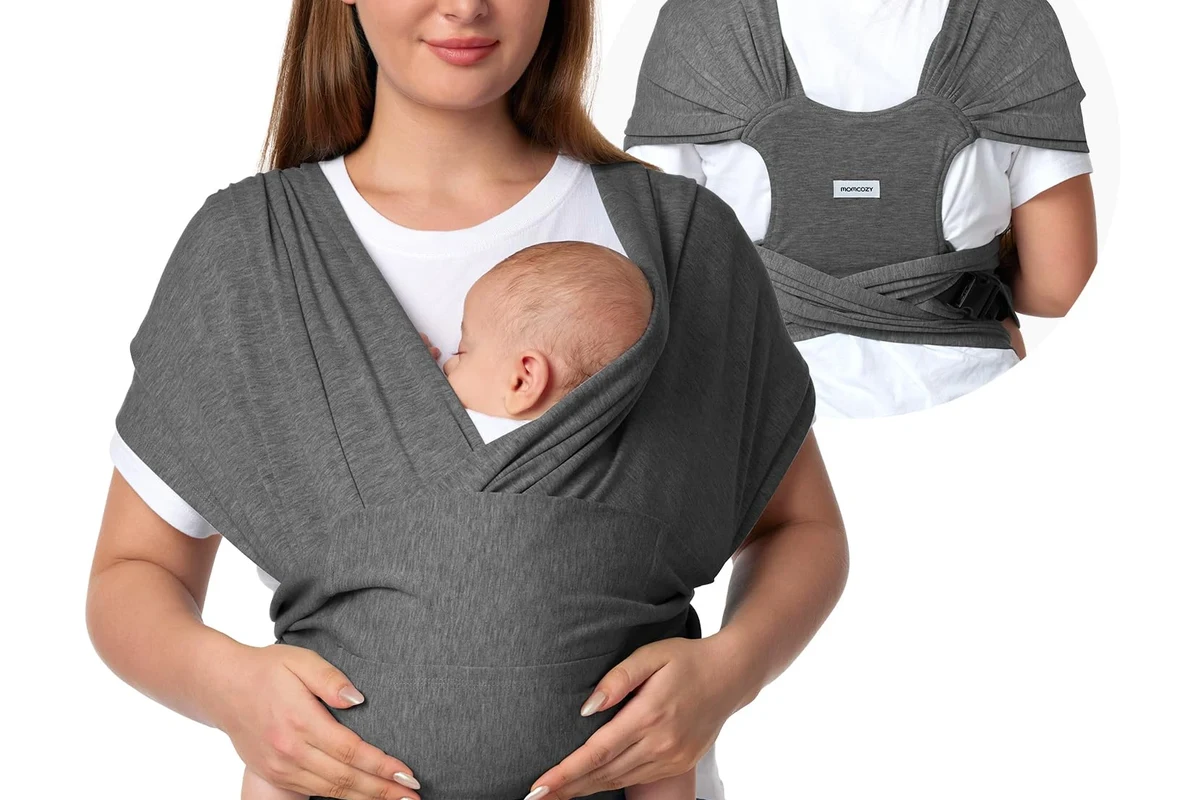
Understanding the Differences Between Carriers and Wraps
Understanding the differences between carriers and wraps helps you choose the best option for your lifestyle. If you frequently need to switch your baby between caregivers, a structured carrier might be more convenient, while wraps offer versatility for various carrying positions as your baby grows. This connects closely with best smart switch for google home if you want to compare the topic in more detail.
- Check compatibility, size, ports, power needs, warranty, and return policy.
- Compare the same criteria across products instead of relying on one headline feature.
- Avoid unsupported claims about speed, comfort, durability, or universal compatibility.
Types of Baby Carriers: A Comprehensive Overview
Baby carriers come in various styles, each designed for different purposes and preferences. From structured carriers to soft-structured options, it’s essential to know the differences to find the best fit for your lifestyle.
Structured Carriers: Pros and Cons
Structured carriers are designed with built-in support and padding, making them easy to wear and adjust. They often include features like buckles and straps, providing a secure fit. However, while they are convenient, they may lack the versatility and comfort of wraps.
Soft-Structured Carriers: What to Look For
Soft-structured carriers blend the benefits of wraps and structured carriers. They offer a comfortable fit while still providing support. Look for features such as adjustable straps, padded waistbands, and breathable materials to enhance comfort during daily use. You can also use best smart switch for home assistant as a helpful next guide on the same tech-accessories topic.
| Option | Best For | What to Check |
|---|---|---|
| Structured Carrier | Quick outings and easy adjustments | Weight limits, ease of putting on/off |
| Soft-Structured Carrier | Comfort and flexibility | Adjustability, materials, support features |
| Wrap | Customization and snug fit | Length, material, learning curve |
Use this guide for carrier vs wrap as a practical checklist, then adjust the advice to your exact device model, operating system, workspace, and budget.
Wraps: The Versatile Choice for Parents
Wraps offer a unique blend of flexibility and comfort, allowing parents to carry their babies in various positions. They can be adjusted to fit both the parent and the child perfectly, making them a popular choice for many families.
Types of Wraps: Stretchy vs. Woven
Types of Wraps: Stretchy vs. Woven adds practical context to carrier vs wrap by focusing on the details that affect real setup and daily use. Check what applies to the current device, what needs verification, and which next step is safest before making another change.
Benefits of Using a Wrap for Daily Activities
Wraps offer numerous advantages for both parents and babies. They encourage bonding, enable hands-free movement, and can be adjusted easily for comfort. Made from breathable fabrics, wraps also provide a cozy option for varying climates. For related context, you may also want to read best smart plug for home assistant.
Factors to Consider When Choosing Between a Carrier and a Wrap
Several factors should influence your decision between a carrier and a wrap. Comfort, ease of use, and the age and weight of your child are all essential considerations that can impact your experience as a parent.
Comfort and Fit: Ensuring Proper Support
Comfort is paramount when choosing between a carrier vs wrap. A well-fitted carrier or wrap will distribute your child’s weight evenly, reducing strain on your back and shoulders. Pay attention to the adjustability and padding of the carrier or wrap you choose to ensure long-term comfort.
Ease of Use: Quick Setup for Busy Parents
Ease of Use: Quick Setup for Busy Parents works best when the device, connection method, power needs, and required app or permission are confirmed first. For carrier vs wrap, follow the setup in order and verify each step before changing another setting.
Age and Weight Limits: Finding the Right Fit for Your Child
Different carriers and wraps have varying age and weight limits. Ensure that the option you choose is suitable for your child’s current size and growth potential. Many structured carriers are designed for specific weight ranges, while wraps can often accommodate a broader range. This connects closely with best smart switches for home assistant if you want to compare the topic in more detail.
Small details such as port type, charger wattage, firmware version, desk space, and app permissions can completely change the right answer.
Safety Considerations in Baby Carriers and Wraps
Safety is a crucial aspect of using any baby carrier or wrap. Understanding how to position your baby correctly and what materials to avoid will help keep your child safe and comfortable.
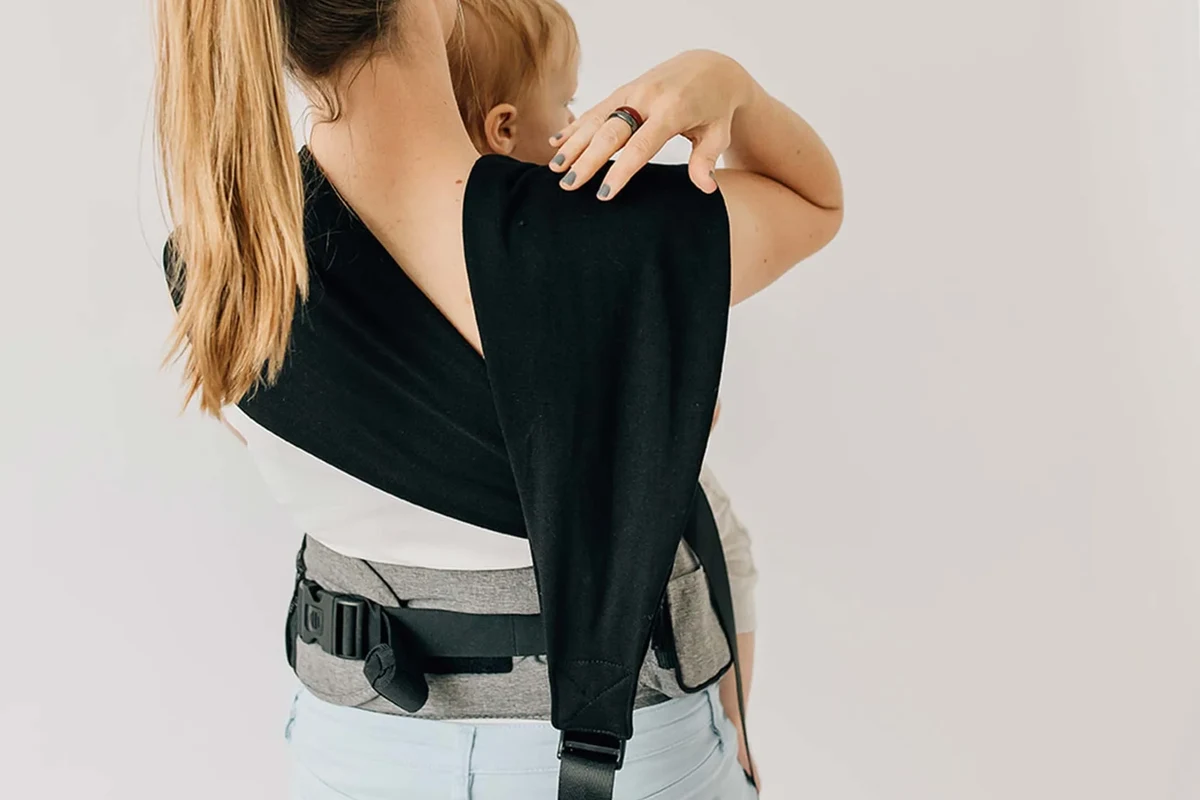
Checking for Proper Positioning to Avoid Hip Dysplasia
Proper positioning is vital to prevent hip dysplasia. Ensure that your baby’s legs are spread apart and their knees are higher than their bottom when using a carrier or wrap. This position can support healthy hip development.
Material Safety: What to Avoid
Choosing the right materials is essential for safety. Avoid carriers and wraps made from synthetic materials that can irritate the skin or cause overheating. Opt for breathable and non-toxic fabrics to ensure your baby’s comfort and well-being. This also connects with best smart hubs for home automation if you want to avoid a similar setup or buying mistake.
Common Mistakes to Avoid When Using Carriers and Wraps
There are several common mistakes parents make when using carriers and wraps. Being aware of these can help you avoid potential issues and ensure a safe and enjoyable experience. For related safety context, compare this with best light bulbs for home office.
- Not adjusting the carrier or wrap for a snug fit, which can lead to discomfort.
- Forgetting to check weight limits, risking your baby’s safety.
- Neglecting to practice how to use a wrap before going out, leading to time-consuming setups.
- Choose the product category first, then compare models.
- Ignore unsupported performance or durability claims.
- Look for model-specific limitations before purchase.
Real-Life Examples: Choosing the Right Carrier or Wrap for Your Lifestyle
Different families have different needs, and the right carrier or wrap can vary based on lifestyle. Here are some scenarios to illustrate which options might work best.
For Active Parents: Best Options for On-the-Go
Active parents who enjoy hiking or frequent outings may prefer structured carriers. These offer ease of use and often come with additional features such as pockets for storage. They can be put on quickly, making them ideal for spontaneous adventures.
For Homebodies: Comfort and Convenience
For parents who spend most of their time at home, wraps may be more appealing. They provide a comfortable and secure way to keep your baby close while allowing for hands-free movement around the house. This connects closely with best led for home lighting if you want to compare the topic in more detail.
This guide on carrier vs wrap is written for general digital-information education. For specifications, compatibility, prices, availability, firmware/software versions, warranty terms, recalls, privacy settings, or safety limits, confirm details with the official manual, manufacturer page, retailer listing, warranty document, or current support notice before acting.
Alternatives to Traditional Carriers and Wraps
If neither carriers nor wraps seem to fit your needs, there are alternative options to consider. These can provide similar benefits while offering unique features.
Hip Seats: A Hybrid Option
Hip seats combine the benefits of traditional carriers and wraps. They provide a supportive seat for your baby while allowing for easy carrying on the hip. This option can be beneficial for parents needing quick accessibility while still offering comfort.
Mei Tais: Combining Features of Wraps and Carriers
Mei Tais are another versatile option that blends the features of wraps and structured carriers. They consist of a rectangular piece of fabric with straps, allowing for a customizable fit. This hybrid option can be a great choice as your baby grows.
What This Means for New Parents
Choosing between a carrier vs wrap boils down to your personal needs and lifestyle. Each has its unique advantages that cater to different preferences and daily routines. By understanding the differences and considering your circumstances, you can find the best fit for you and your baby.
Final Words
Ultimately, the choice between a carrier and a wrap depends on your lifestyle, comfort, and how you plan to use it. Take your time to explore the options, consider your baby’s needs, and you’ll find the perfect solution that enhances your parenting journey.
💡 Sufiya Begom's Smart Home Note: Check Wi-Fi band, app permissions, firmware updates, privacy settings, ecosystem support, and safe electrical load before relying on any smart-home device.
Frequently Asked Questions
Questions about Carrier Wrap often depend on the exact model, connection method, software support, and daily use case. Similar products can behave differently even when they look alike or share a category name. Check current manufacturer documentation whenever compatibility, safety, privacy, firmware, or warranty details affect the answer.
Start with intended use, fit, verified specifications, safety instructions, care needs, and important limitations.
Start with the exact Carrier Wrap model, connection method, compatibility requirements, and the specific result you need. Current manufacturer documentation is the safest place to confirm details that vary by model.
Check the operating system, ports or wireless standard, power requirements, app or driver support, and any ecosystem limitations that apply to the exact setup.
A common mistake is treating every Carrier Wrap product or setup as interchangeable. Similar-looking models can differ in ports, software support, power needs, dimensions, or privacy controls.
Use the cleaning, ventilation, inspection, charging, storage, and update guidance that applies to the product type. Disconnect power first whenever the manufacturer instructions require it.
Stop and seek official support when the problem involves overheating, damaged power hardware, unstable mounting, repeated failures, data loss, or a privacy concern you cannot resolve safely.

Sufiya Begom is a Passionate Digital Innovator and the Visionary Founder of the Dynamic Platform, Digital Pro Info. With a deep-rooted enthusiasm for digital technologies, Sufiya has built a comprehensive space that offers valuable insights into digital products, reviews, guides, software, and sales, empowering individuals to make informed decisions in the ever-evolving digital landscape.