
Yes, smart thermostats save money by optimizing heating and cooling schedules, reducing energy consumption. They also provide insights into usage patterns, enabling users to make informed adjustments, leading to significant savings on utility bills over time.
Last updated: October 22, 2026
Yes, smart thermostats can save money by optimizing your home’s heating and cooling needs, leading to reduced energy consumption. They adapt to your habits and preferences, potentially lowering your utility bills significantly over time.
- Start with the setup: Device model, OS, ports, power needs, and workspace change the right answer.
- Check compatibility first: Verify specifications, drivers, firmware, app support, warranty, and return policy before acting.
- Use practical steps: Change one setting or product variable at a time so you can see what.
- Know the limits: Tech advice varies by model, brand, operating system, retailer, firmware version, and official support.
Do Smart Thermostats Save Money? A Comprehensive Overview
Smart thermostats are increasingly popular for their ability to help homeowners cut down on energy costs. By grasping how these devices operate and their potential financial benefits, you can make an informed choice about upgrading your home. Key advantages and considerations will be outlined here. For related context, you may also want to read what do you need for smart lights.
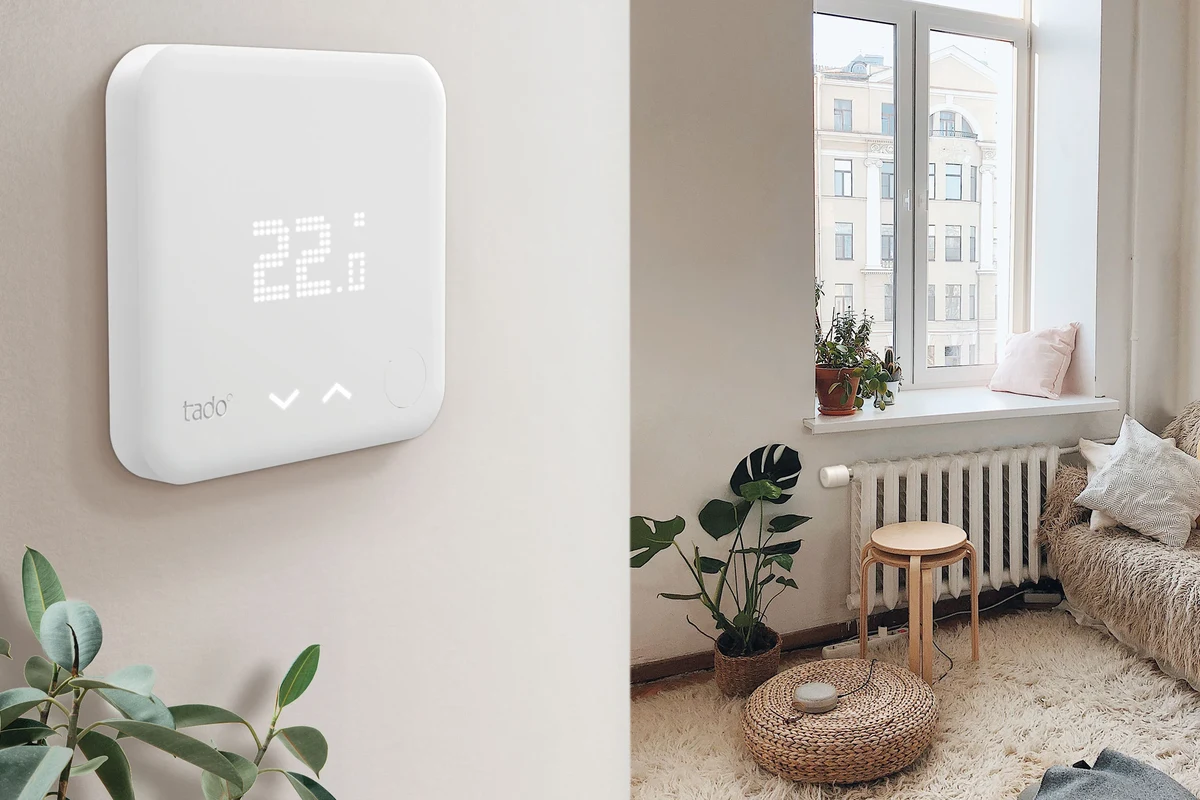
Understanding Energy Consumption and Savings
To comprehend how smart thermostats can save money, it’s crucial to grasp the basics of energy consumption in homes. By analyzing energy usage patterns, homeowners can identify areas where savings can be made. This understanding forms the foundation for appreciating the role of smart thermostats. This connects closely with do smart lights save money if you want to compare the topic in more detail.
Use this guide for do smart thermostats save money as a practical checklist, then adjust the advice to your exact device model, operating system, workspace, and budget.
How Smart Thermostats Work to Optimize Your Energy Use
Smart thermostats employ sophisticated technology to efficiently monitor and adjust your home’s temperature. They adapt to your habits and preferences, making real-time changes that contribute to energy savings. Understanding their operation can help you maximize their effectiveness. You can also use what to use smart plugs for to simplify your home automation as a helpful next guide on the same tech-accessories topic.
| Feature | Description |
|---|---|
| Adaptive Learning | Smart thermostats learn your schedule and preferences to optimize heating and cooling. |
| Remote Access | Control your thermostat from anywhere using a smartphone app for real-time adjustments. |
| Energy Reports | Receive insights on energy usage to make informed decisions about your heating and cooling habits. |
| Integration with Smart Devices | Works with other smart home devices for coordinated energy management and efficiency. |
Small details such as port type, charger wattage, firmware version, desk space, and app permissions can completely change the right answer.
Key Features of Smart Thermostats That Drive Savings
Several features of smart thermostats contribute to their ability to save money. By understanding these key functionalities, you can make informed choices about which product to invest in. Below are some of the most impactful features.
Adaptive Learning and Scheduling
Smart thermostats often come equipped with adaptive learning capabilities that allow them to learn your schedule over time. By automatically adjusting temperatures based on your habits, these devices can significantly reduce energy usage when you are away from home or sleeping.
- Adjusts temperature based on your daily routine.
- Reduces energy consumption during peak hours.
- Offers energy reports to track savings.
Remote Access and Control
The ability to control your thermostat remotely via smartphone apps is another significant feature. This allows homeowners to adjust settings while away, ensuring that energy isn’t wasted unnecessarily. You can also check energy consumption statistics and receive alerts about unusual usage.
Control your thermostat from anywhere. Receive alerts for maintenance or unusual energy use. Convenient adjustments based on real-time needs.
Integration with Other Smart Home Devices
Smart thermostats can often integrate with other smart home systems, such as lights, security systems, and smart plugs. This interconnectedness allows for more comprehensive energy management, optimizing overall home efficiency.
For example, integrating with smart lights can ensure that heating or cooling is adjusted when rooms are unoccupied. This feature enhances comfort while also saving energy, making your entire smart home ecosystem more effective. For related context, you may also want to read do i need a smart home hub.
- Verify specs before buying or changing your setup.
- Keep damaged cables, weak mounts, and overheating devices out of use.
- Prefer simple, reversible fixes before advanced changes.
Real-World Examples of Savings with Smart Thermostats
Theoretical savings are important, but real-world examples offer a clearer view of how smart thermostats can impact your wallet. Analyzing case studies and comparing them to traditional thermostats reveals the tangible financial advantages of making the switch.
Case Studies: Homes That Benefited
Several studies have shown how homes can benefit from the installation of smart thermostats. For instance, a family may reduce their heating costs by up to 30% after switching to a smart thermostat, thanks to its adaptive scheduling and energy-saving features.
In one case, a household reported saving approximately $200 annually after upgrading to a smart thermostat, highlighting the financial benefits that can be realized over time.
Comparing Traditional vs. Smart Thermostat Costs
When evaluating the cost-effectiveness of smart thermostats, it’s helpful to compare them with traditional models. While smart thermostats may have a higher upfront cost, the long-term savings can outweigh this initial investment. This connects closely with what smart home devices work without hub if you want to compare the topic in more detail.
| Option | Initial Cost | Annual Savings |
|---|---|---|
| Traditional Thermostat | $50 – $200 | $50 – $100 |
| Smart Thermostat | $100 – $300 | $100 – $300 |
Setting Up Your Smart Thermostat for Maximum Savings
Proper installation of a smart thermostat is vital for maximizing savings. When set up correctly, these devices can operate at peak efficiency, tapping into their full range of energy-saving features. A straightforward installation process is essential for achieving the best results.
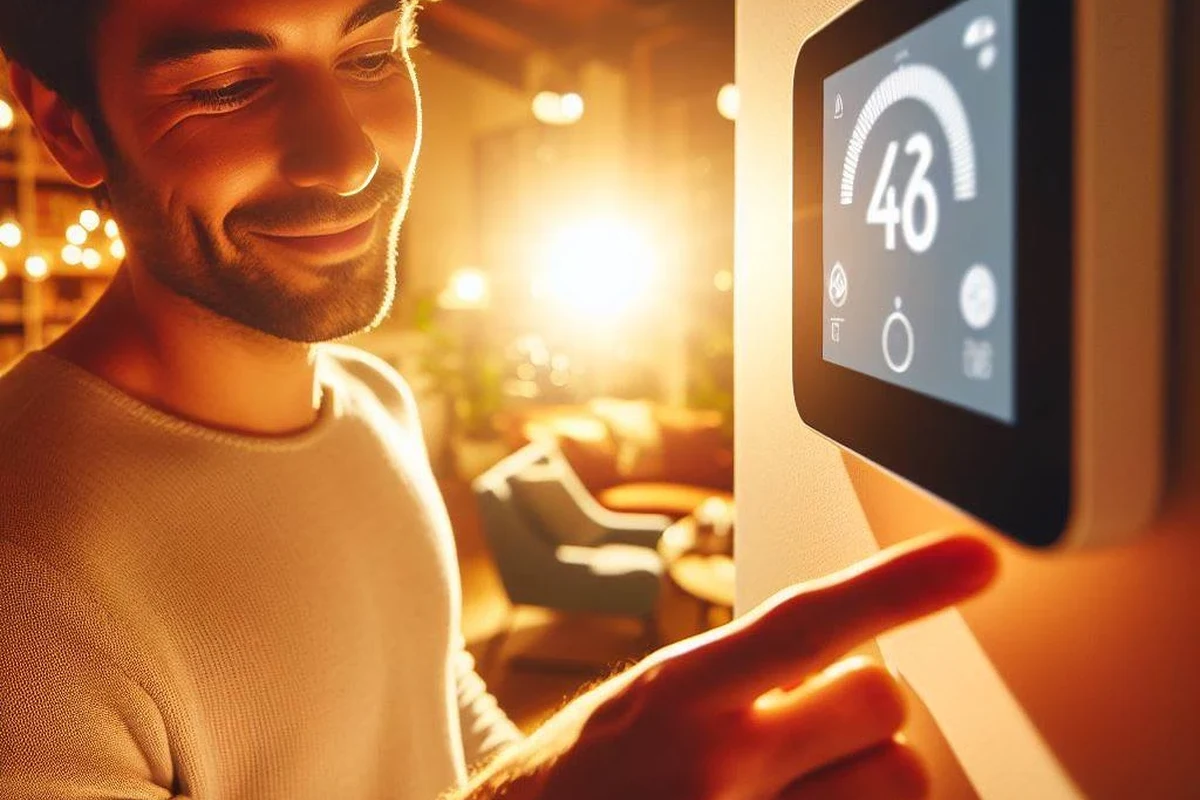
Installation Steps and Considerations
Installing a smart thermostat typically involves several steps, including turning off the power, removing the old thermostat, and connecting the new device. It’s essential to follow the manufacturer’s instructions to avoid potential issues.
- Turn Off Power
Ensure the power to your HVAC system is off to avoid electric shock.
- Remove Old Thermostat
Take off the old thermostat and label the wires for easy installation of the new unit.
- Connect New Thermostat
Follow the manufacturer’s instructions to connect the new thermostat’s wires accordingly.
- Power On and Configure
Turn the power back on and follow the setup instructions in the app.
Common Setup Mistakes to Avoid
Common setup mistakes can lead to inefficient performance and higher energy bills. Check that your smart thermostat is compatible with your HVAC system and follow the installation guidelines closely to avoid issues. Double-check your wiring and calibration settings to ensure everything is functioning correctly. This also connects with what is thread protocol smart home if you want to avoid a similar setup or buying mistake.
- Failing to turn off power before installation.
- Incorrectly labeling or connecting wires.
- Not configuring Wi-Fi settings properly.
Check the official manual, support page, and warranty details when specifications, compatibility, safety, or replacement decisions matter.
Compatibility and Safety Considerations
Before purchasing a smart thermostat, it’s essential to ensure compatibility with your existing heating and cooling systems. This section outlines key compatibility factors and safety considerations.
Which Heating and Cooling Systems Work Best?
Not all smart thermostats are compatible with every HVAC system. Understanding your system type—whether it’s central heating, radiant heat, or a heat pump—is critical for proper functionality. Always check the compatibility specifications before purchasing.
Privacy and Security Features to Look For
Smart devices, including thermostats, can pose privacy risks if not secured properly. Look for models that offer robust security features, such as two-factor authentication and encrypted connections, to protect your personal data. For related context, you may also want to read what is matter protocol for smart home.
Alternatives to Smart Thermostats: Are They Worth It?
While smart thermostats offer numerous benefits, several alternatives may also provide energy savings. Evaluating these options can help you determine the best fit for your home.
Manual and Programmable Thermostats
Manual and programmable thermostats are traditional options that can still help save energy. Programmable thermostats allow you to set schedules, although they lack the adaptability of smart models.
Energy Monitors and Other Smart Devices
Energy monitors can help track overall household energy usage, providing insights into where savings can be made. Pairing these with smart devices can enhance your home’s energy efficiency. This connects closely with what is a smart home hub if you want to compare the topic in more detail.
Ideal for those wanting to lower energy bills.
Great for users looking to integrate with smart home devices.
Perfect for those focused on sustainability and reducing carbon footprints.
Understanding the Financial Benefits of Smart Thermostats
For tech buyers considering a smart thermostat, the potential for savings is significant. With features that optimize energy usage and the possibility of reducing utility bills, smart thermostats represent a wise investment for many homeowners.
Final Words
Investing in a smart thermostat can lead to substantial energy savings and increased comfort in your home. By understanding the features, installation process, and potential savings, you can make an informed decision that benefits both your wallet and the environment.
💡 Sufiya Begom's Smart Home Note: Check Wi-Fi band, app permissions, firmware updates, privacy settings, ecosystem support, and safe electrical load before relying on any smart-home device.
Frequently Asked Questions
Questions about Smart Thermostats Save Money often depend on the exact model, connection method, software support, and daily use case. Similar products can behave differently even when they look alike or share a category name. Check current manufacturer documentation whenever compatibility, safety, privacy, firmware, or warranty details affect the answer.
Start with intended use, fit, verified specifications, safety instructions, care needs, and important limitations.
Start with the exact Smart Thermostats Save Money model, connection method, compatibility requirements, and the specific result you need. Current manufacturer documentation is the safest place to confirm details that vary by model.
Check the operating system, ports or wireless standard, power requirements, app or driver support, and any ecosystem limitations that apply to the exact setup.
A common mistake is treating every Smart Thermostats Save Money product or setup as interchangeable. Similar-looking models can differ in ports, software support, power needs, dimensions, or privacy controls.
Use the cleaning, ventilation, inspection, charging, storage, and update guidance that applies to the product type. Disconnect power first whenever the manufacturer instructions require it.
Stop and seek official support when the problem involves overheating, damaged power hardware, unstable mounting, repeated failures, data loss, or a privacy concern you cannot resolve safely.

Sufiya Begom is a Passionate Digital Innovator and the Visionary Founder of the Dynamic Platform, Digital Pro Info. With a deep-rooted enthusiasm for digital technologies, Sufiya has built a comprehensive space that offers valuable insights into digital products, reviews, guides, software, and sales, empowering individuals to make informed decisions in the ever-evolving digital landscape.