
Check the VESA mount compatibility of your monitor and ensure the monitor arm supports its weight and size. Additionally, assess the desk space and adjustability features to confirm how to know if a monitor arm is compatible with your setup.
Last updated: November 29, 2026
Yes, knowing how to determine if a monitor arm is compatible with your setup involves checking your monitor’s specifications, desk space, and the arm’s features. Understanding these factors will help ensure you make an informed purchase that meets your needs.
- Start with the setup: Device model, OS, ports, power needs, and workspace change the right answer.
- Check compatibility first: Verify specifications, drivers, firmware, app support, warranty, and return policy before acting.
- Use practical steps: Change one setting or product variable at a time so you can see what.
- Know the limits: Tech advice varies by model, brand, operating system, retailer, firmware version, and official support.
How to Know If a Monitor Arm Is Compatible with Your Setup
Selecting the right monitor arm can enhance your workspace ergonomics and productivity. To ensure a successful fit, it’s vital to consider compatibility with both your monitor and desk setup. Assess the specifications and requirements before making a decision. For setup context, how to setup smart plug with alexa 2 can help you compare similar setup details.

Understanding Monitor Arm Specifications
Monitor arms come with various specifications that dictate their compatibility with different monitors and setups. Familiarizing yourself with these specifications is crucial for making the right choice. Key aspects include weight capacity, VESA mount compatibility, and adjustability features. This connects closely with how to setup smart plug with alexa if you want to compare the topic in more detail.
Use this guide for how to know if a monitor arm is compatible as a practical checklist, then adjust the advice to your exact device model, operating system, workspace, and budget.
Assessing Your Monitor’s VESA Mount Capability
One of the first compatibility checks is whether your monitor has a VESA mount. VESA (Video Electronics Standards Association) specifications determine the mounting hole pattern on the back of your monitor. It’s essential to confirm this before purchasing a monitor arm.
| VESA Mount Size | Common Monitor Sizes |
|---|---|
| 75 x 75 mm | Up to 24 inches |
| 100 x 100 mm | 24 to 32 inches |
| 200 x 100 mm | 32 to 40 inches |
| 200 x 200 mm | 40 inches and above |
Identifying VESA Patterns
VESA patterns are commonly available in 75×75 mm and 100×100 mm configurations. Most monitor arms will specify which VESA sizes they support. Make sure to check your monitor’s manual or the manufacturer’s website for this information.
VESA Mount Locations
VESA mount holes are usually located at the back of the monitor. Depending on the design, they may be hidden under a cover plate. Ensure you inspect your monitor carefully to find these mounting points. You can also use how does a smart lock work setup features and daily use as a helpful next guide on the same tech-accessories topic.
This guide on how to know if a monitor arm is compatible is written for general digital-information education. For specifications, compatibility, prices, availability, firmware/software versions, warranty terms, recalls, privacy settings, or safety limits, confirm details with the official manual, manufacturer page, retailer listing, warranty document, or current support notice before acting.
Evaluating Your Desk Space and Setup
Your desk space is another critical aspect to consider when determining monitor arm compatibility. The arm’s reach and the available space on your desk will define how well it can be integrated into your setup. You can also use how to setup gosund smart plug 2 as a helpful next guide on the same setup or usability topic.
| Desk Type | Space Considerations | Ideal Monitor Arm Type |
|---|---|---|
| Standard Desk | Enough space for mounting and movement | Full-motion arms |
| Small Desk | Limited space; may need compact design | Fixed or low-profile arms |
| Adjustable Desk | Height adjustment must be considered | Articulating arms |
Key Features to Look for in a Monitor Arm
When evaluating monitor arms, several key features will enhance your user experience. Understanding these features can help you select a model that meets your specific needs.
Weight Capacity Considerations
Each monitor arm has a specified weight capacity that must be adhered to for safety and performance. Ensure your monitor’s weight falls within the arm’s capacity to avoid potential damage or instability.
Adjustability and Range of Motion
Look for arms that offer flexibility in movement, such as tilt, swivel, and rotation. This adjustability can enhance ergonomics by allowing you to find the most comfortable viewing angles. This connects closely with how to setup kasa smart plug for effortless home automation if you want to compare the topic in more detail.
Always double-check your monitor’s specifications and the monitor arm’s compatibility to avoid any issues during setup.
Common Mistakes When Choosing a Monitor Arm
Many users make critical mistakes when selecting a monitor arm that can lead to issues down the line. Awareness of these common pitfalls can save you time and money. This also connects with how to setup gosund smart plug if you want to avoid a similar setup or buying mistake.
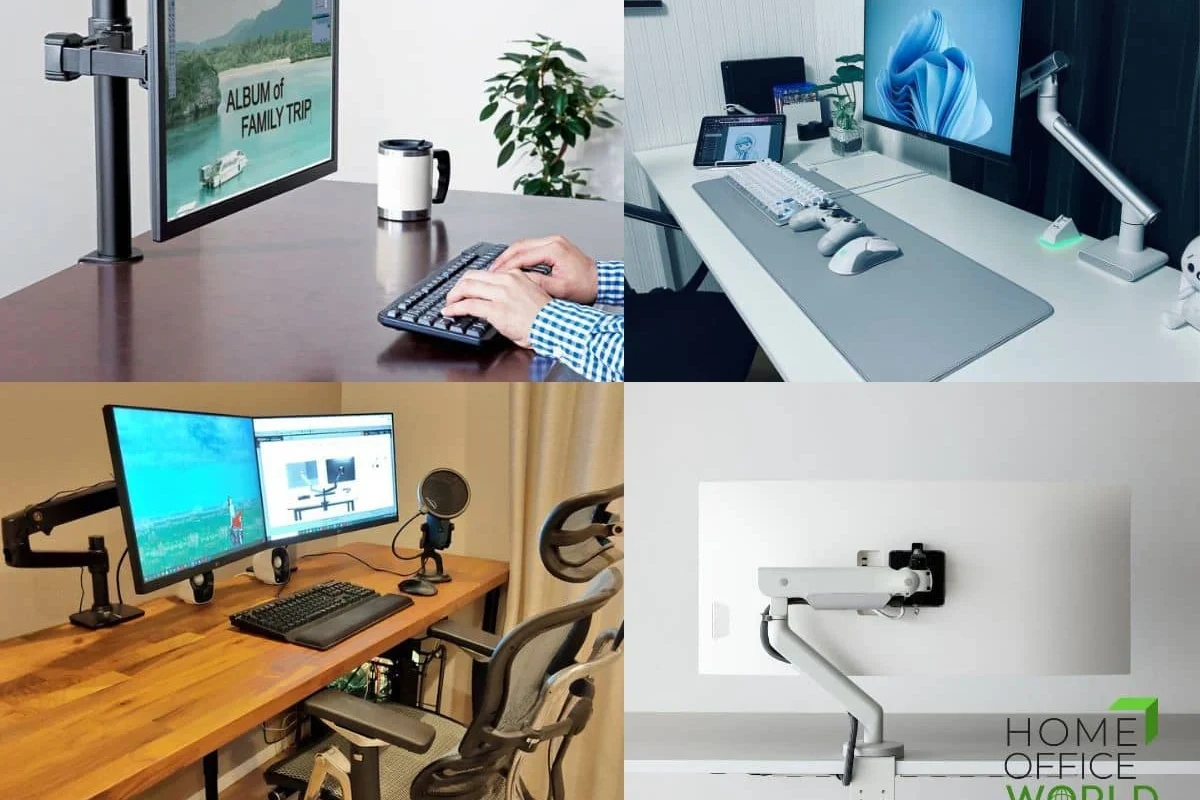
- Not checking weight limits: Ensure your monitor’s weight is within the arm’s specified range.
- Ignoring VESA compatibility: Always verify that your monitor has a compatible VESA mount.
- Underestimating desk space: Measure your available desk area before purchasing to ensure a good fit.
Steps to Check Compatibility Before Purchase
Steps to Check Compatibility Before Purchase depends on matching the connection standard and software support to the exact device being used. For how to know if a monitor arm is compatible, verify ports, power, wireless requirements, adapters, and current manufacturer support before assuming two models work alike.
Measuring Your Monitor’s Dimensions
Before selecting a monitor arm, measure your monitor’s width, height, and depth. This information will help you choose an arm that not only fits your monitor but also complements your workspace.
Checking Mounting Hole Patterns
After measuring your monitor, check the mounting hole patterns. Ensure that the arm you select can accommodate these patterns, as this will be pivotal in achieving a secure fit. For related context, you may also want to read how to setup kasa smart plug.
- Check your device model, OS, ports, power needs, warranty, and daily use case.
- Check product specs, compatibility, workspace fit, connection type, safety, and return policy.
- Check the manual, official support page, and current firmware or driver notes when compatibility matters.
Safety and Privacy Considerations with Monitor Arms
Using monitor arms can improve your workspace but comes with safety and privacy considerations. Understanding these can help you create a safer and more efficient work environment. This also connects with how to setup amazon smart plug if you want to avoid a similar setup or buying mistake.
- Secure installation: Follow the manufacturer’s installation guidelines closely to prevent accidents.
- Cable management: Ensure that cables are organized and secured to avoid tripping hazards.
- Privacy screens: Consider using privacy filters if your monitor is positioned in a public or shared space.
- Measure your monitor’s dimensions and weight before shopping.
- Verify the VESA mount type on your monitor.
- Ensure your desk has enough space for the arm’s movement.
When to Consider Replacement or Upgrade Options
As technology evolves, your monitor arm may eventually need an upgrade or replacement. Knowing when to make this decision can enhance your workspace setup.
Signs That Your Current Setup Is Inadequate
If you notice instability, difficulty adjusting your monitor, or if the arm cannot support your current monitor, it might be time to consider a replacement. Upgrading can improve both ergonomics and functionality.
Key Factors to Ensure Monitor Arm Compatibility
Understanding how to know if a monitor arm is compatible involves assessing various factors, including VESA mount capability, weight capacity, and desk space. Buyers should be diligent in checking specifications to ensure a smooth integration into their setups.
Final Words
Finding the appropriate monitor arm can greatly improve your workspace, but ensuring compatibility is essential. By closely examining specifications, dimensions, and features, you can make an informed choice that suits your needs. Always prioritize safety and ergonomics when choosing a monitor arm.
💡 Sufiya Begom's Setup Advice: Check VESA support, screen weight, desk thickness, eye level, cable clearance, and stability before buying or mounting any monitor accessory.
Frequently Asked Questions
Questions about Monitor Arm often depend on the exact model, connection method, software support, and daily use case. Similar products can behave differently even when they look alike or share a category name. Check current manufacturer documentation whenever compatibility, safety, privacy, firmware, or warranty details affect the answer.
Start with intended use, fit, verified specifications, safety instructions, care needs, and important limitations.
Start with the exact Monitor Arm model, connection method, compatibility requirements, and the specific result you need. Current manufacturer documentation is the safest place to confirm details that vary by model.
Check the operating system, ports or wireless standard, power requirements, app or driver support, and any ecosystem limitations that apply to the exact setup.
A common mistake is treating every Monitor Arm product or setup as interchangeable. Similar-looking models can differ in ports, software support, power needs, dimensions, or privacy controls.
Use the cleaning, ventilation, inspection, charging, storage, and update guidance that applies to the product type. Disconnect power first whenever the manufacturer instructions require it.
Stop and seek official support when the problem involves overheating, damaged power hardware, unstable mounting, repeated failures, data loss, or a privacy concern you cannot resolve safely.

Sufiya Begom is a Passionate Digital Innovator and the Visionary Founder of the Dynamic Platform, Digital Pro Info. With a deep-rooted enthusiasm for digital technologies, Sufiya has built a comprehensive space that offers valuable insights into digital products, reviews, guides, software, and sales, empowering individuals to make informed decisions in the ever-evolving digital landscape.