
IPS monitor stands for In-Plane Switching monitor, a type of LCD display technology known for its superior color accuracy and wider viewing angles compared to other panel types. This makes IPS monitors popular for graphic design, photography, and general multimedia use.
Last updated: November 19, 2026
Knowing what IPS monitor stands for is vital for anyone aiming to improve their visual experience, especially in graphic design and photography. IPS, which means In-Plane Switching, is known for its vibrant colors and reliable image quality. This makes IPS displays a popular choice among both professionals and enthusiasts.
- Start with the setup: Device model, OS, ports, power needs, and workspace change the right answer.
- Check compatibility first: Verify specifications, drivers, firmware, app support, warranty, and return policy before acting.
- Use practical steps: Change one setting or product variable at a time so you can see what.
- Know the limits: Tech advice varies by model, brand, operating system, retailer, firmware version, and official support.
What Does IPS Monitor Stand For?
IPS monitor stands for In-Plane Switching, a technology that enhances color reproduction and viewing angles compared to traditional monitors. When considering an IPS monitor, evaluate its specifications and compatibility with your existing hardware to ensure a seamless integration into your setup. For related context, you may also want to read what is a smart key for door.
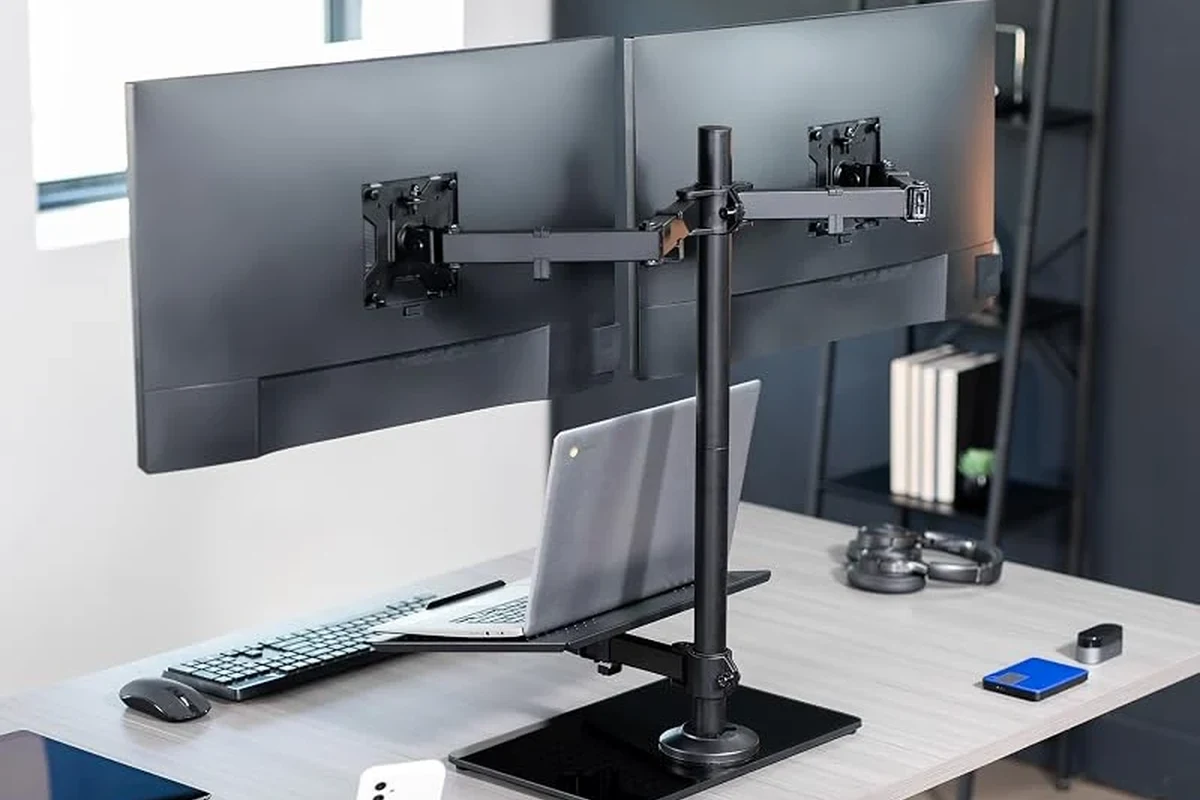
Understanding the Technology Behind IPS Monitors
The technology behind IPS monitors involves a unique alignment of liquid crystals that improves light transmission and color accuracy. Familiarizing yourself with these principles can help you troubleshoot display issues and optimize settings for your specific usage, whether for gaming or graphic design.
The Structure of IPS Technology
IPS technology consists of several layers that work together to create high-quality visuals, including a liquid crystal layer and color filters. Understanding this structure can guide you in selecting monitors that best fit your visual needs and enhance your workspace aesthetics.
Common Types of IPS Panels
There are several variations of IPS technology, including AHVA (Advanced Hyper Viewing Angle) and PLS (Plane to Line Switching). Each type offers unique benefits, such as improved brightness and response times. Knowing the different types can guide buyers in selecting the right monitor for their needs. This connects closely with does a samsung smart tv have a camera for video calls if you want to compare the topic in more detail.
Use this guide for what does ips monitor stand for as a practical checklist, then adjust the advice to your exact device model, operating system, workspace, and budget.
Key Features of IPS Monitors
IPS monitors come with a range of features that distinguish them from other types of displays. These features include exceptional color accuracy, wide viewing angles, and improved response times. Understanding these characteristics can help users determine if an IPS monitor is suitable for their applications. You can also use what do you need for smart lights as a helpful next guide on the same tech-accessories topic.
| Feature | Description |
|---|---|
| Color Accuracy | IPS monitors provide superior color reproduction, making them ideal for graphic design and photography. |
| Viewing Angles | They offer wide viewing angles, allowing consistent image quality from various perspectives. |
| Response Time | IPS technology has improved response times, reducing motion blur in fast-paced content. |
| Brightness | Many IPS monitors deliver high brightness levels, enhancing visibility in different lighting conditions. |
- Color Accuracy: IPS monitors typically cover a broader color spectrum, ensuring more accurate and vibrant colors.
- Viewing Angles: Users can enjoy consistent color and brightness from various angles, making IPS ideal for collaborative work.
- Faster Response Times: While traditionally slower than TN panels, modern IPS monitors have significantly improved in response times, making them suitable for gaming.
How IPS Monitors Compare to Other Display Technologies
When evaluating IPS monitors against technologies like TN and VA, it’s important to examine factors such as color accuracy, contrast ratios, and refresh rates. Each display type offers unique advantages and drawbacks, which can make certain technologies better suited for specific applications. This connects closely with what does a smart outlet do 2 if setup or performance is part of the issue.
| Feature | IPS | TN | VA |
|---|---|---|---|
| Color Accuracy | Excellent | Good | Good |
| Viewing Angles | Wide | Narrow | Moderate |
| Response Times | Moderate to Good | Excellent | Good |
| Contrast Ratios | Good | Moderate | Excellent |
- Check your device model, OS, and ports for compatibility.
- Determine your primary usage (gaming, design, general use).
- Compare specifications like resolution and refresh rates to find the best fit.
Benefits of Using IPS Monitors for Different Users
IPS monitors are favored by various user groups due to their unique advantages. Whether you’re a gamer, graphic designer, or office worker, understanding these benefits can help you choose the right display.
Gamers: With improved response times and color accuracy, IPS monitors enhance gaming experiences. Graphic Designers: Professionals in creative fields benefit from the precise color reproduction offered by IPS technology. Office Workers: The wide viewing angles and reduced eye strain make IPS monitors ideal for long hours of work. This connects closely with what to use smart plugs for to simplify your home automation if you want to compare the topic in more detail.
Common Misconceptions About IPS Monitors
Common misconceptions about IPS monitors can lead to confusion among potential buyers. Clarifying these myths can help you make more informed purchasing decisions, ensuring you choose a monitor that meets your requirements for color accuracy and viewing angles.
Myth: IPS Monitors Are Always the Most Expensive
While IPS monitors can be pricier than TN panels, there are budget-friendly options available that still offer excellent performance. Price should not be the only factor in your decision-making process.
Myth: IPS Monitors Are Slow
Recent advancements in IPS technology have greatly improved response times, making them comparable to TN panels. Focus on the specifications to get an accurate understanding, rather than relying on outdated views of IPS performance. You can also use what does a smart outlet do as a helpful next guide on the same tech-accessories topic.
- Regularly clean the screen with a microfiber cloth to remove dust and fingerprints.
- Avoid exposing the monitor to direct sunlight to prevent screen damage.
- Check for software updates to ensure optimal performance and compatibility.
How to Choose the Right IPS Monitor for Your Needs
Selecting the right IPS monitor involves understanding your specific needs and use cases. Factors to consider include resolution, size, refresh rate, and connectivity options. For related context, you may also want to read what to use smart plugs for.
Setting Up Your IPS Monitor: A Step-by-Step Guide
Setting up your IPS monitor correctly is essential for achieving optimal display performance. Follow the step-by-step guide to adjust settings and positioning, ensuring comfort and reducing eye strain during extended use of your monitor. This connects closely with what is matter protocol for smart home if you want to compare the topic in more detail.
- Unpack and Inspect
Carefully remove the monitor from its packaging and check for any visible damage.
- Connect Cables
Connect the power cable and video input cable to the appropriate ports on your computer and monitor.
- Adjust Settings
Use the monitor’s on-screen display to adjust brightness, contrast, and color settings according to your preference.
This guide on what does ips monitor stand for is written for general digital-information education. For specifications, compatibility, prices, availability, firmware/software versions, warranty terms, recalls, privacy settings, or safety limits, confirm details with the official manual, manufacturer page, retailer listing, warranty document, or current support notice before acting.
Enhancing Ergonomics with IPS Monitors
Ergonomics play a significant role in how effectively you use your IPS monitor. Consider factors like height and distance from your eyes, and make necessary adjustments to improve comfort and reduce fatigue during prolonged periods of use.
- Height Adjustment: Ensure the top of the screen is at or slightly below eye level to maintain a comfortable viewing angle.
- Distance: Position the monitor about an arm’s length away to reduce eye strain.
- Angle: Tilt the monitor slightly back to create a more comfortable viewing angle.
Maintaining Your IPS Monitor for Longevity
With proper care and maintenance, your IPS monitor can last for years. Here are some essential tips to keep your monitor in top condition.
Before purchasing an IPS monitor, assess your usage needs and compare specifications to find the best fit for your workspace.
Alternatives to IPS Monitors: What to Consider
While IPS monitors offer many advantages, other display technologies may be more suitable for specific tasks. Knowing these alternatives can help you make a more informed choice.
TN Panels
TN panels are known for being cost-effective and providing quick response times, making them appealing for gamers. However, if you prioritize color accuracy and wider viewing angles, it may be worth exploring IPS options for a better overall experience.
VA Panels
VA panels offer excellent contrast and deep blacks, ideal for media consumption. If your main use involves watching movies or casual gaming, consider how their performance stacks up against IPS monitors for your specific viewing habits.
Understanding the Benefits of IPS Monitors for Your Needs
Understanding the benefits of IPS monitors can significantly impact your buying decisions. Evaluate how the superior color accuracy and viewing angles of IPS technology align with your specific needs, whether for work or leisure, to make a well-informed choice.
Final Words
In conclusion, IPS technology marks a substantial improvement in display quality, catering to various user requirements. Assess your personal or professional needs carefully, and explore the diverse IPS monitor options available to find the perfect fit for your setup.
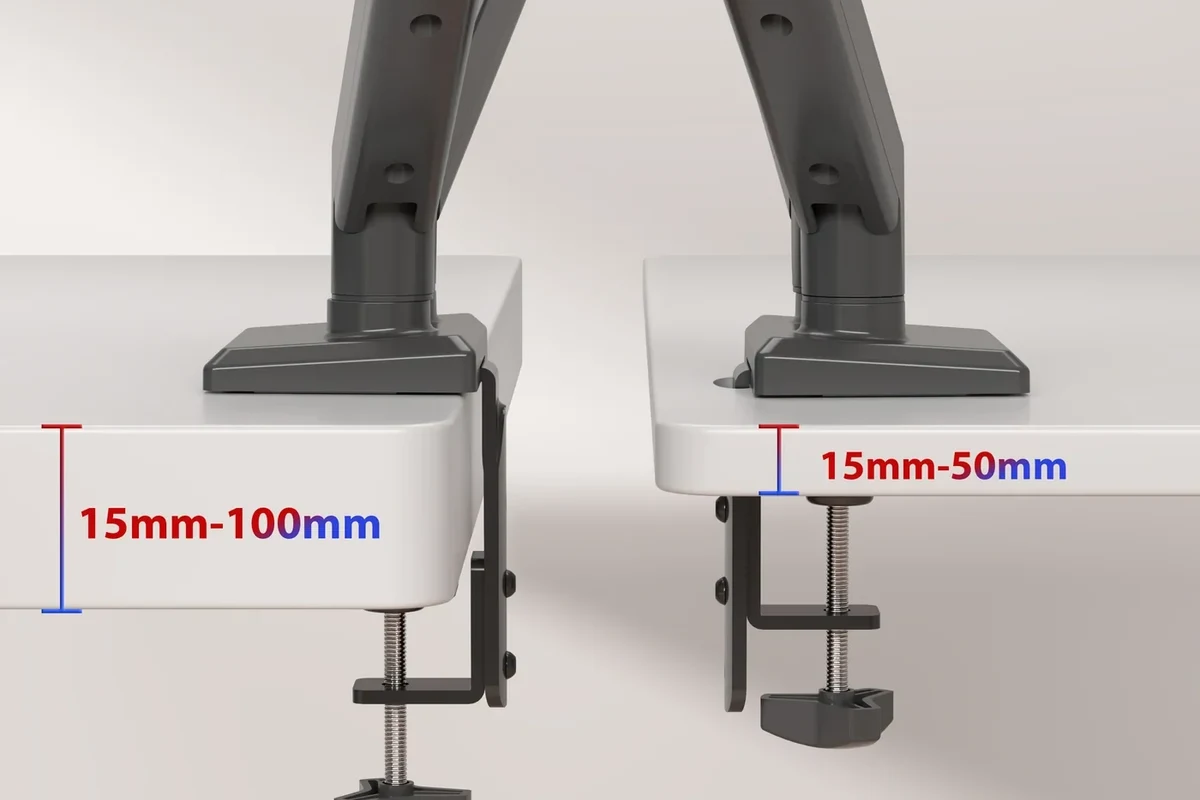
💡 Sufiya Begom's Setup Advice: Check VESA support, screen weight, desk thickness, eye level, cable clearance, and stability before buying or mounting any monitor accessory.
Frequently Asked Questions
Questions about Monitor Stand often depend on the exact model, connection method, software support, and daily use case. Similar products can behave differently even when they look alike or share a category name. Check current manufacturer documentation whenever compatibility, safety, privacy, firmware, or warranty details affect the answer.
Start with intended use, fit, verified specifications, safety instructions, care needs, and important limitations.
Start with the exact Monitor Stand model, connection method, compatibility requirements, and the specific result you need. Current manufacturer documentation is the safest place to confirm details that vary by model.
Check the operating system, ports or wireless standard, power requirements, app or driver support, and any ecosystem limitations that apply to the exact setup.
A common mistake is treating every Monitor Stand product or setup as interchangeable. Similar-looking models can differ in ports, software support, power needs, dimensions, or privacy controls.
Use the cleaning, ventilation, inspection, charging, storage, and update guidance that applies to the product type. Disconnect power first whenever the manufacturer instructions require it.
Stop and seek official support when the problem involves overheating, damaged power hardware, unstable mounting, repeated failures, data loss, or a privacy concern you cannot resolve safely.

Sufiya Begom is a Passionate Digital Innovator and the Visionary Founder of the Dynamic Platform, Digital Pro Info. With a deep-rooted enthusiasm for digital technologies, Sufiya has built a comprehensive space that offers valuable insights into digital products, reviews, guides, software, and sales, empowering individuals to make informed decisions in the ever-evolving digital landscape.