
No, a baby food maker is not the same as a food processor. A baby food maker is specifically designed for making baby food with features like steaming and pureeing, while a food processor offers more versatility for various food prep tasks but may lack the specialized functions for baby food making.
Last updated: October 28, 2026
Choosing between a baby food maker and a food processor largely hinges on your cooking style and nutritional preferences. Each appliance offers distinct advantages tailored to different food preparation needs. Understanding their differences will help you select the one that best complements your lifestyle.
- Start with the setup: Device model, OS, ports, power needs, and workspace change the right answer.
- Check compatibility first: Verify specifications, drivers, firmware, app support, warranty, and return policy before acting.
- Use practical steps: Change one setting or product variable at a time so you can see what.
- Know the limits: Tech advice varies by model, brand, operating system, retailer, firmware version, and official support.
Baby Food Maker vs Food Processor: Which Suits Your Routine?
Choosing between a baby food maker and a food processor can be a daunting task. Each device offers unique functionalities that cater to different cooking styles and family needs. Understanding what each device brings to the table is crucial in making an informed decision that complements your lifestyle. For related context, you may also want to read what to use smart plugs for to simplify your home automation.
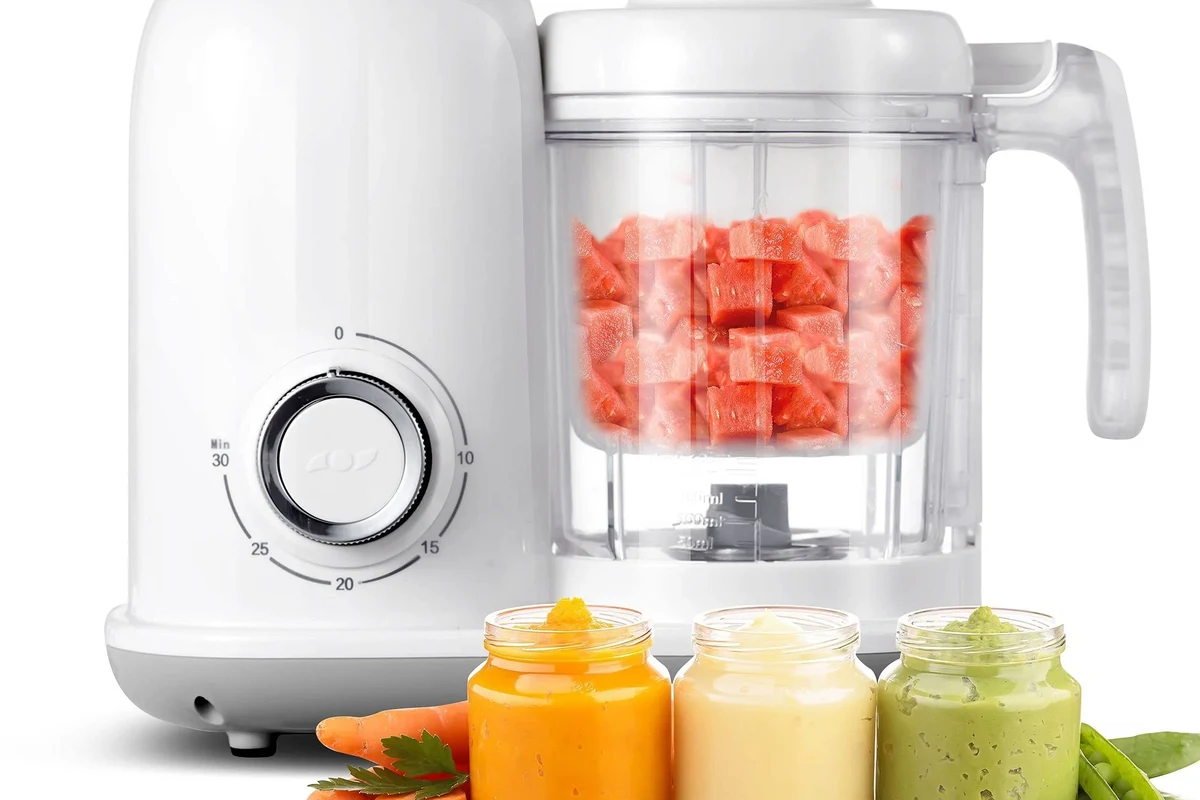
Understanding the Basics: What Each Device Offers
Understanding the Basics: What Each Device Offers adds practical context to baby food maker vs food processor by focusing on the details that affect real setup and daily use. Check what applies to the current device, what needs verification, and which next step is safest before making another change. This connects closely with wifi vs zigbee smart home if you want to compare the topic in more detail.
Use this guide for baby food maker vs food processor as a practical checklist, then adjust the advice to your exact device model, operating system, workspace, and budget.
Key Differences Between Baby Food Makers and Food Processors
Understanding the differences between a baby food maker and a food processor is essential for making the right choice. This section highlights how each device operates, their intended uses, and their unique features. You can also use best google home smart bulbs as a helpful next guide on the same tech-accessories topic.
| Feature | Baby Food Maker | Food Processor |
|---|---|---|
| Primary Purpose | Designed for making baby food | Versatile for various food preparation tasks |
| Steaming Capability | Yes, includes steaming function | No, usually lacks steaming feature |
| Ease of Use | User-friendly with simple controls | More complex with multiple settings |
| Cleaning | Typically has fewer parts | May have more complex components |
| Price Range | Generally lower | Varies widely based on features |
Ideal Users: Who Should Choose Each Option?
Identifying the ideal users for baby food makers and food processors can simplify your decision-making process. Different users may find one device more beneficial than the other based on their cooking needs and the age of their children. For related context, you may also want to read best smart lights for google home.
- Baby Food Maker: Best suited for new parents looking to prepare homemade baby food easily.
- Food Processor: Ideal for families who cook a variety of meals and want a multifunctional appliance.
- Budget-Conscious Users: A baby food maker is often more affordable and straightforward.
- Frequent Cooks: Food processors offer versatility for slicing, shredding, and mixing.
Small details such as port type, charger wattage, firmware version, desk space, and app permissions can completely change the right answer.
Essential Features to Consider in Your Decision
When choosing between a baby food maker and a food processor, several key features should be taken into account. Evaluating these features will help you determine which device aligns with your specific requirements.
Capacity and Size
Capacity and size are crucial factors to consider when selecting a food preparation device. Depending on your cooking needs and kitchen space, these aspects can greatly influence your choice.
Baby Food Maker: Usually has a smaller capacity, suitable for single servings of baby food. Food Processor: Generally offers larger capacity bowls for family meals and batch cooking. Kitchen Space: Consider how much counter space you can dedicate to the appliance.
Speed and Efficiency
Speed and efficiency play a key role in meal preparation. Assessing how quickly and effectively each device operates can help you identify which one aligns with your cooking habits.
- Baby Food Maker: Typically operates at a slower pace but is designed for optimal food nutrient retention.
- Food Processor: Generally offers faster processing speeds for a variety of tasks.
- Cooking Style: If you often prepare meals in bulk, a food processor may be more efficient.
Cleaning and Maintenance
Cleaning and maintenance are often overlooked but critical aspects in deciding between the two devices. The ease of cleaning can affect how frequently you use the appliance.
Baby Food Maker: Usually has fewer parts, making it easier to clean. Food Processor: May require more time to clean due to multiple attachments. Dishwasher Safe: Check if parts are dishwasher safe for added convenience. This connects closely with best smart switch for google home if you want to compare the topic in more detail.
Practical Examples: Real-Life Applications for Families
Understanding how each appliance fits into real-life scenarios can help clarify their uses. This section provides practical examples of how families might utilize either a baby food maker or a food processor. You can also use best smart switch for home assistant as a helpful next guide on the same tech-accessories topic.
- Baby Food Maker: Ideal for quickly steaming fruits and vegetables, blending them into smooth purees for infants.
- Food Processor: Great for preparing large quantities of dips, sauces, or shredding ingredients for family meals.
- Meal Prep: Both devices can play a role in efficient meal prep, depending on the family’s needs.
- Choose the product category first, then compare models.
- Ignore unsupported performance or durability claims.
- Look for model-specific limitations before purchase.
Common Mistakes to Avoid When Choosing a Food Preparation Device
When selecting between a baby food maker and a food processor, it’s easy to make mistakes that can lead to dissatisfaction later. Here are common pitfalls to watch out for:
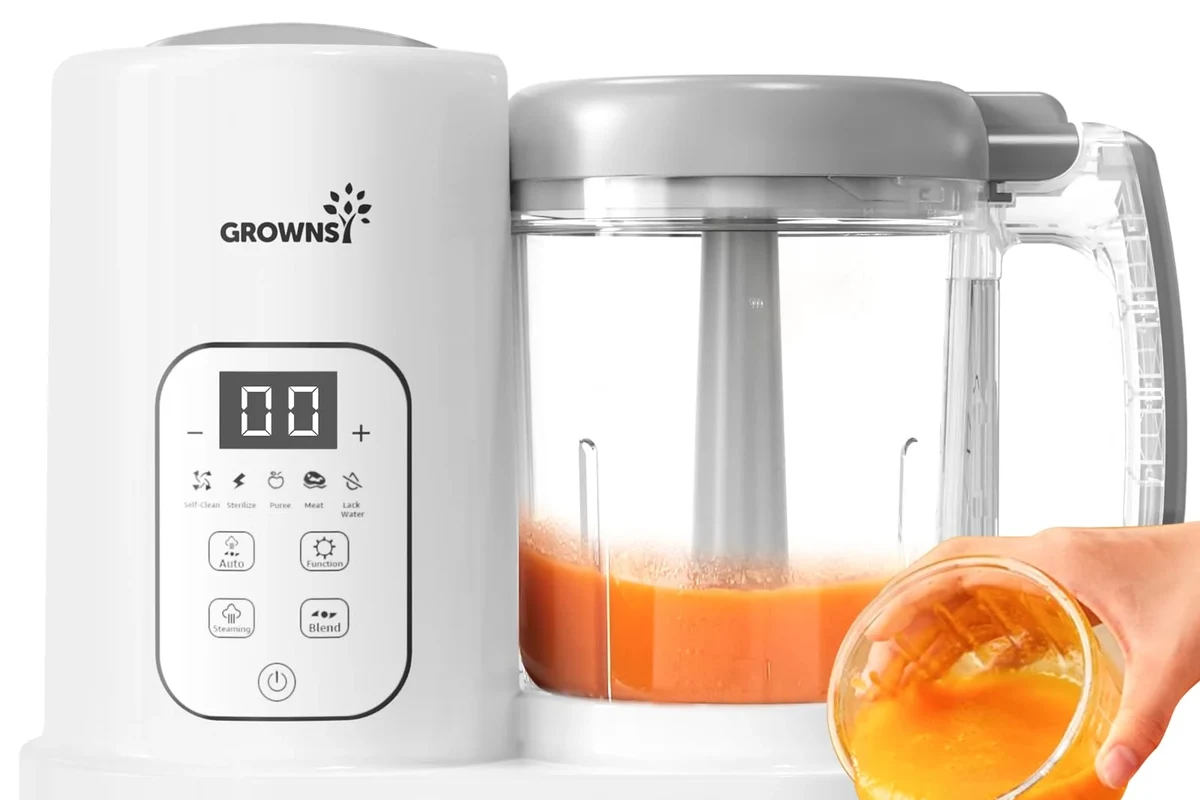
Not Assessing Your Needs: Failing to consider how often you will use the device can lead to overspending. Ignoring Features: Overlooking important features like steaming or multiple functions may limit your cooking options. Size Mismatches: Choosing a device that doesn’t fit well in your kitchen can lead to frustration. For related safety context, compare this with best smart plug for home assistant.
Before buying, verify compatibility, size, ports, wattage, warranty, return policy, and current model details from official or retailer sources.
Alternatives to Baby Food Makers and Food Processors
If neither a baby food maker nor a food processor seems like the right fit, there are alternatives available that might meet your needs. Exploring these options can provide additional flexibility in your cooking routines. This connects closely with best smart switches for home assistant if you want to compare the topic in more detail.
- Blender: A high-quality blender can also puree foods and make smoothies.
- Immersion Blender: Offers similar functionalities and is easy to clean.
- Manual Food Mill: A more traditional option for pureeing foods without electricity.
Safety and Health Considerations for Food Preparation Devices
Safety and health are paramount when preparing food, especially for babies. It’s essential to consider the materials used in the devices and how they can affect food safety.
Material Safety and BPA-Free Options
Material safety is crucial for any kitchen appliance, particularly those designed for baby food. Ensure that the device you choose is made from safe, BPA-free materials.
BPA-Free: Look for appliances labeled as BPA-free to ensure safety for your baby. Food-Grade Materials: Verify that all components that come into contact with food are food-safe. Manufacturer Guidelines: Always check the manufacturer’s guidelines for safety information.
Cleaning Protocols to Ensure Hygiene
Cleaning your baby food maker or food processor properly is essential for maintaining a safe food preparation environment. Both devices should be disassembled and thoroughly washed after each use to prevent cross-contamination and ensure they remain in optimal working condition.
- Regular Cleaning: Clean your device thoroughly after each use to prevent bacteria buildup.
- Check for Residue: Inspect all parts for food residue that may be hard to see.
- Use Safe Cleaning Agents: Opt for non-toxic cleaning solutions to maintain a safe cooking environment.
This guide on baby food maker vs food processor is written for general digital-information education. For specifications, compatibility, prices, availability, firmware/software versions, warranty terms, recalls, privacy settings, or safety limits, confirm details with the official manual, manufacturer page, retailer listing, warranty document, or current support notice before acting.
Warranty and Support: What to Look For
When investing in kitchen appliances, understanding warranty and support options is vital. Knowing what to expect can give you peace of mind about your purchase.
Warranty Duration: Look for products with a longer warranty period for added security. Customer Support: Ensure the manufacturer offers reliable customer support for troubleshooting. Return Policy: Check the return policy in case the product does not meet your expectations.
Choosing Between a Baby Food Maker and a Food Processor: Key Considerations
baby food maker vs food processor is mainly a decision problem: match the product to your device, workspace, budget, comfort needs, and long-term use. A good choice should solve the main need without creating compatibility, safety, or privacy problems.
- Compare the same criteria across every option.
- Verify specs, ports, wattage, size, warranty, and return policy.
- Prefer fit-for-purpose products over generic “best” claims.
Final Words
Choosing between a baby food maker and a food processor ultimately depends on your cooking habits, family needs, and lifestyle. Both devices have their advantages and can significantly ease the process of food preparation. Carefully consider your requirements to make the best choice for your family.
💡 Sufiya Begom's Smart Home Note: Check Wi-Fi band, app permissions, firmware updates, privacy settings, ecosystem support, and safe electrical load before relying on any smart-home device.
Frequently Asked Questions
Questions about Baby Food Maker Processor often depend on the exact model, connection method, software support, and daily use case. Similar products can behave differently even when they look alike or share a category name. Check current manufacturer documentation whenever compatibility, safety, privacy, firmware, or warranty details affect the answer.
Start with intended use, fit, verified specifications, safety instructions, care needs, and important limitations.
Start with the exact Baby Food Maker Processor model, connection method, compatibility requirements, and the specific result you need. Current manufacturer documentation is the safest place to confirm details that vary by model.
Check the operating system, ports or wireless standard, power requirements, app or driver support, and any ecosystem limitations that apply to the exact setup.
A common mistake is treating every Baby Food Maker Processor product or setup as interchangeable. Similar-looking models can differ in ports, software support, power needs, dimensions, or privacy controls.
Use the cleaning, ventilation, inspection, charging, storage, and update guidance that applies to the product type. Disconnect power first whenever the manufacturer instructions require it.
Stop and seek official support when the problem involves overheating, damaged power hardware, unstable mounting, repeated failures, data loss, or a privacy concern you cannot resolve safely.

Sufiya Begom is a Passionate Digital Innovator and the Visionary Founder of the Dynamic Platform, Digital Pro Info. With a deep-rooted enthusiasm for digital technologies, Sufiya has built a comprehensive space that offers valuable insights into digital products, reviews, guides, software, and sales, empowering individuals to make informed decisions in the ever-evolving digital landscape.