
Check the monitor’s VESA mount compatibility, weight limit, and desk clamp type to know if monitor arm is compatible. Ensure your monitor meets these specifications for optimal performance and stability.
Last updated: November 29, 2026
Selecting the right monitor arm can be tricky, especially when compatibility is unclear. Knowing how to determine if a monitor arm fits your monitor and workspace is vital for creating an ergonomic and efficient setup. Consider the key factors that influence your choice.
- Start with the setup: Device model, OS, ports, power needs, and workspace change the right answer.
- Check compatibility first: Verify specifications, drivers, firmware, app support, warranty, and return policy before acting.
- Use practical steps: Change one setting or product variable at a time so you can see what.
- Know the limits: Tech advice varies by model, brand, operating system, retailer, firmware version, and official support.
How to Know If Monitor Arm Is Compatible with Your Setup
To determine if a monitor arm is compatible with your setup, you need to evaluate several key specifications, including weight capacity, VESA mounting patterns, and the physical dimensions of your desk. Each of these factors plays a significant role in ensuring a secure and effective installation. For setup context, how to setup smart plug with alexa 2 can help you compare similar setup details.
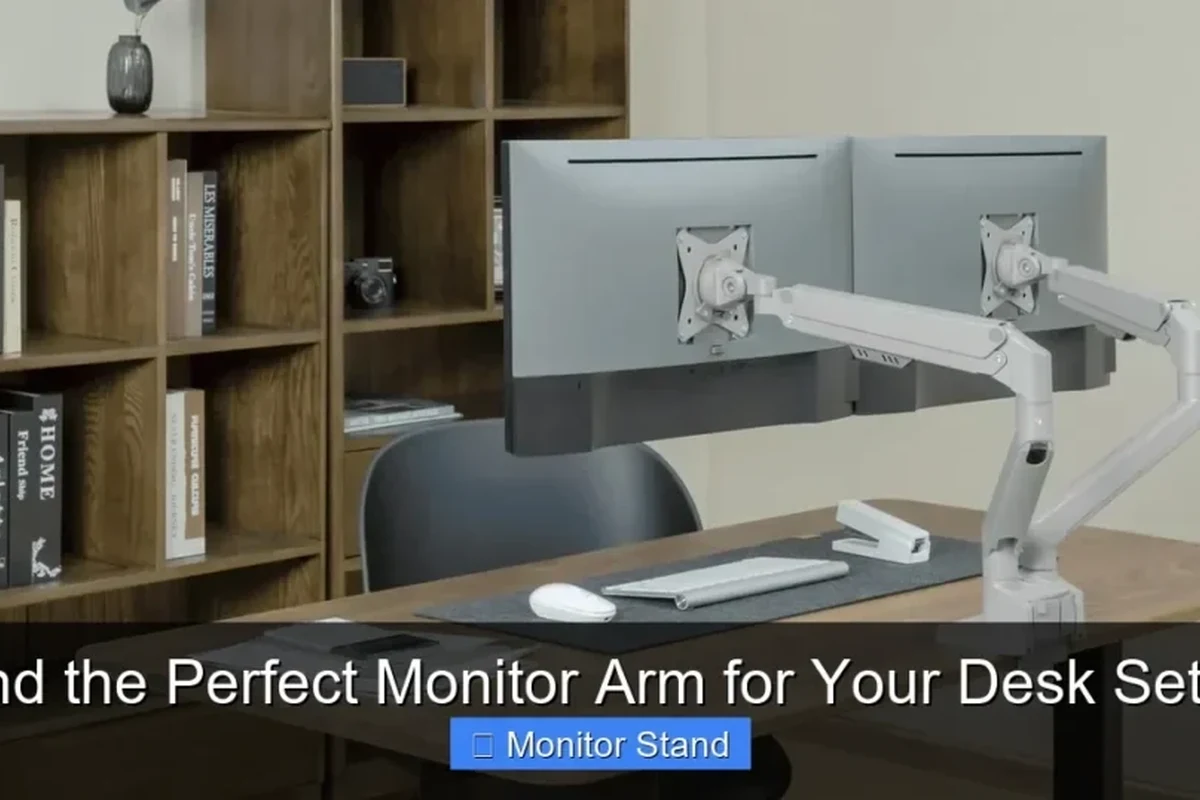
Understanding Monitor Arm Specifications
Before buying a monitor arm, it’s important to review its specifications. Key details like weight capacity and VESA mounting patterns ensure that the arm will properly support your monitor and function as intended.
Weight Capacity: What You Need to Know
Weight capacity is one of the most crucial factors in determining compatibility. Each monitor arm is designed to support a specific weight range, and exceeding this limit can lead to safety issues or damage.
- Check your monitor’s weight: Weigh your monitor to ensure it falls within the arm’s specified weight capacity.
- Consider additional accessories: If you’ll attach items like webcams or speakers, factor in their weight as well.
- Review specifications: Always refer to the manufacturer’s specifications for accurate weight limits.
VESA Mounting Patterns: Ensuring Fit
VESA Mounting Patterns: Ensuring Fit adds practical context to how to know if monitor arm is compatible by focusing on the details that affect real setup and daily use. Check what applies to the current device, what needs verification, and which next step is safest before making another change.
Check your monitor’s VESA pattern: Common VESA sizes include 75x75mm and 100x100mm; ensure your monitor matches the arm’s pattern. Look for adapter plates: If your monitor doesn’t have the standard VESA pattern, check if an adapter is available. Consult the monitor arm’s manual: Verify the compatibility with different VESA sizes outlined in the product documentation. This connects closely with how to setup smart plug with alexa if you want to compare the topic in more detail.
Use this guide for how to know if monitor arm is compatible as a practical checklist, then adjust the advice to your exact device model, operating system, workspace, and budget.
Assessing Your Monitor’s Requirements
Understanding your monitor’s requirements is vital in choosing the right monitor arm. Key considerations include screen size, weight, and aspect ratio, as these factors influence overall compatibility.
| Requirement | Details |
|---|---|
| Screen Size | Check the maximum screen size supported by the monitor arm. |
| Weight Capacity | Ensure the arm can support your monitor’s weight. |
| Aspect Ratio | Verify compatibility with your monitor’s aspect ratio (e.g., 16:9, 21:9). |
| VESA Mounting | Confirm the monitor’s VESA mount pattern matches the arm’s specifications. |
Screen Size and Weight Considerations
Screen Size and Weight Considerations adds practical context to how to know if monitor arm is compatible by focusing on the details that affect real setup and daily use. Check what applies to the current device, what needs verification, and which next step is safest before making another change.
- Measure your monitor: Height, width, and depth can impact arm choice, particularly for larger screens.
- Compare weight to arm capacity: Make sure your monitor’s weight is within the arm’s capacity for safe operation.
- Consider multi-monitor setups: If using multiple monitors, ensure the arm can accommodate the combined weight and size.
Monitor Aspect Ratio and Size Compatibility
Monitor Aspect Ratio and Size Compatibility depends on matching the connection standard and software support to the exact device being used. For how to know if monitor arm is compatible, verify ports, power, wireless requirements, adapters, and current manufacturer support before assuming two models work alike.
Standard ratios: Most monitors are 16:9 or 16:10; ensure the arm’s design can support these formats. Check for stability: Wider monitors might require additional support to maintain stability. Look for adjustable features: Some arms are better suited for larger aspect ratios, offering more flexibility in positioning. For setup context, how to setup gosund smart plug 2 can help you compare similar setup details.
Small details such as port type, charger wattage, firmware version, desk space, and app permissions can completely change the right answer.
Checking Desk Space and Ergonomics
Evaluating your desk space is essential for the successful installation of a monitor arm. Proper ergonomics also play a crucial role in your overall setup.
Height Adjustment Range of Monitor Arms
Height Adjustment Range of Monitor Arms adds practical context to how to know if monitor arm is compatible by focusing on the details that affect real setup and daily use. Check what applies to the current device, what needs verification, and which next step is safest before making another change.
- Measure your desk height: Ensure the arm can adjust to the desired height based on your sitting or standing position.
- Assess monitor height: The top of your monitor should ideally be at eye level for optimal ergonomics.
- Look for lockable features: Some arms have settings that allow you to lock the height in place, ensuring stability.
Desk Thickness and Clamp Compatibility
Desk Thickness and Clamp Compatibility depends on matching the connection standard and software support to the exact device being used. For how to know if monitor arm is compatible, verify ports, power, wireless requirements, adapters, and current manufacturer support before assuming two models work alike.
Measure your desk: Confirm the thickness of your desk to ensure the clamp can secure the monitor arm properly. Consider grommet mounts: If your desk is too thick for clamps, a grommet mount may be a better option. Check clamp specifications: Ensure the clamp can accommodate your desk’s thickness without compromising stability. You can also use how to setup kasa smart plug for effortless home automation as a helpful next guide on the same setup or usability topic.
Mounting Options: Desk vs. Wall Mounts
Mounting Options: Desk vs. Wall Mounts adds practical context to how to know if monitor arm is compatible by focusing on the details that affect real setup and daily use. Check what applies to the current device, what needs verification, and which next step is safest before making another change.
Choosing Between Clamp, Grommet, or Wall Mounts
Choosing Between Clamp, Grommet, or Wall Mounts adds practical context to how to know if monitor arm is compatible by focusing on the details that affect real setup and daily use. Check what applies to the current device, what needs verification, and which next step is safest before making another change.
- Clamp mounts: These are easy to install and can fit most desks, making them a popular choice.
- Grommet mounts: Ideal for desks with pre-drilled holes, providing a clean and stable installation.
- Wall mounts: Perfect for saving desk space, but require more installation effort and planning.
Evaluating Stability and Movement Features
Evaluating Stability and Movement Features adds practical context to how to know if monitor arm is compatible by focusing on the details that affect real setup and daily use. Check what applies to the current device, what needs verification, and which next step is safest before making another change.
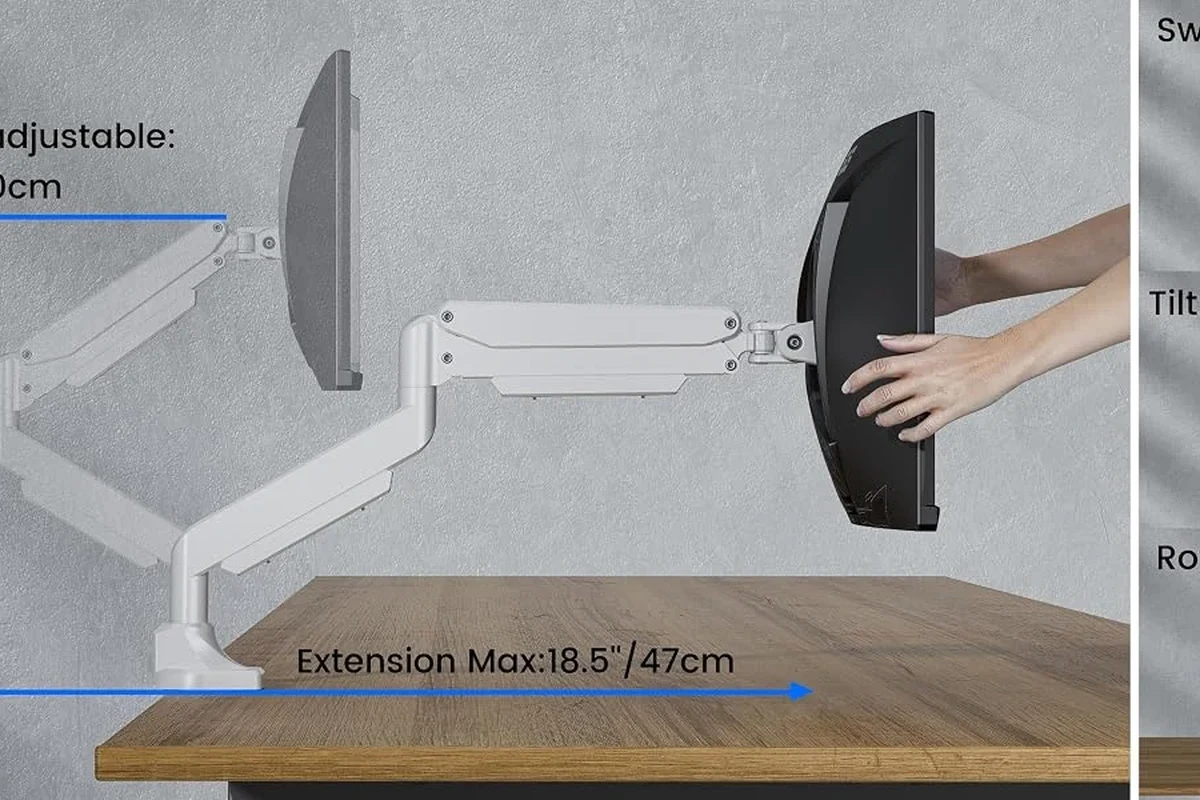
Check for full motion: Look for arms that allow tilt, swivel, and rotation for optimal positioning. Assess stability: Ensure the arm remains stable when adjusting the monitor’s position. Review locking mechanisms: Some models feature locks to secure the monitor in place during adjustments. This connects closely with how to setup gosund smart plug if you want to compare the topic in more detail.
- Write down the exact error or behavior before changing settings.
- Test with another cable, port, or device when safe.
- Keep firmware, drivers, and apps updated from official sources.
Common Mistakes When Choosing a Monitor Arm
Common mistakes can lead to choosing an incompatible monitor arm for your setup. Always verify the specifications of both the arm and your monitor to ensure a proper fit, and avoid overlooking essential details that could affect performance. This also connects with how to setup kasa smart plug if you want to avoid a similar setup or buying mistake.
Ignoring Weight Limits and Size Specifications
Ignoring Weight Limits and Size Specifications adds practical context to how to know if monitor arm is compatible by focusing on the details that affect real setup and daily use. Check what applies to the current device, what needs verification, and which next step is safest before making another change.
- Always verify specs: Double-check the monitor weight and size against the arm’s specifications.
- Don’t guess weights: Use a scale to ensure accurate measurements before purchasing.
- Consult user reviews: Look for feedback on weight handling and compatibility.
Overlooking Cable Management Options
Proper cable management can improve both the look and usability of your workspace. Neglecting this aspect may result in an untidy environment that hinders productivity.
Look for integrated solutions: Some monitor arms come with built-in cable management features. Consider add-ons: If the arm doesn’t provide cable management, look for external solutions to keep cables organized. Plan your layout: Think about how cables will run from your monitor to power sources and devices.
Safety and Privacy Considerations
Safety and privacy considerations are essential when selecting a monitor arm. Ensure that the arm securely holds your monitor and allows for adjustments that maintain your privacy in shared environments, preventing accidental exposure to sensitive information. For related safety context, compare this with how to setup amazon smart plug.
Ensuring Stability to Avoid Accidents
Ensuring Stability to Avoid Accidents adds practical context to how to know if monitor arm is compatible by focusing on the details that affect real setup and daily use. Check what applies to the current device, what needs verification, and which next step is safest before making another change.
- Follow installation instructions: Adhere closely to the manufacturer’s installation guidelines for safety.
- Regularly check connections: Periodically inspect the arm and monitor for loose screws or issues.
- Watch for wear: Keep an eye on the arm for signs of wear or stress that may compromise stability.
Maintaining Privacy with Adjustable Angles
Maintaining Privacy with Adjustable Angles should protect the device surface, ports, vents, sensors, and powered parts while removing normal dust or buildup. For how to know if monitor arm is compatible, follow the manufacturer cleaning guidance and disconnect power whenever the instructions require it.
Choose arms with flexible adjustments: Look for models that allow for quick angle changes to enhance privacy. Position strategically: Ensure the monitor is placed where it’s less likely to be viewed by others. Utilize privacy screens: Consider adding a privacy screen for additional protection against prying eyes.
Use official support or warranty guidance if the issue involves overheating, power, damaged cables, unstable mounting, privacy risk, data loss, or repeated failures.
Long-Term Maintenance of Monitor Arms
Long-term maintenance of monitor arms is crucial for ensuring they operate effectively over time. Regular checks for wear and tear can help you identify any issues early, and proper care will extend the life of your equipment. This connects closely with how to setup smart plug if you want to compare the topic in more detail.
Regular Inspections for Wear and Tear
Regular inspections for wear and tear can prevent unexpected failures in your monitor arm. Look for signs of rust, loose screws, or any unusual movement, which can indicate the need for adjustments or replacements to ensure stability.
- Check screws and bolts: Ensure they are tightened to maintain stability and security.
- Inspect the arm for damage: Look for cracks or signs of wear that could compromise functionality.
- Test the movement: Regularly adjust the monitor to ensure smooth movement and operation.
Proper Cleaning Techniques to Prevent Damage
Proper cleaning techniques are vital to maintain the functionality and appearance of your monitor arm. Use a soft cloth and gentle cleaning solutions to remove dust and grime, avoiding harsh chemicals that could damage the arm’s finish.
Use non-abrasive cleaners: Avoid harsh chemicals that can damage the arm’s finish. Regularly dust off components: Keep surfaces clean to prevent build-up that can affect movement. Wipe down cables: Ensure cables are free of dust and debris to maintain a professional look.
This guide on how to know if monitor arm is compatible is written for general digital-information education. For specifications, compatibility, prices, availability, firmware/software versions, warranty terms, recalls, privacy settings, or safety limits, confirm details with the official manual, manufacturer page, retailer listing, warranty document, or current support notice before acting.
Alternative Solutions if Your Monitor Arm Isn’t Compatible
If your monitor arm isn’t compatible, consider alternative solutions that can enhance your workspace. Options like adjustable stands or different mounting systems might provide a better fit, allowing you to customize your setup to meet your needs.
Considering Monitor Stands or Multi-Monitor Setups
Considering monitor stands or multi-monitor setups can provide greater flexibility in your workspace. Evaluate how these alternatives would fit with your existing equipment, as they may offer a more tailored solution for your specific requirements.
- Monitor stands: These can offer a stable base for your monitor without the need for mounting.
- Multi-monitor setups: If you have multiple monitors, look for stands that can accommodate several displays.
- Adjustable height stands: Consider stands that provide height adjustment for better ergonomics.
When to Upgrade Your Monitor or Arm
Knowing when to upgrade your monitor or arm can significantly impact your productivity. Assess your current setup’s performance and capabilities, and consider an upgrade if your needs have evolved or if the technology has advanced.
Monitor upgrades: Consider upgrading if your monitor is outdated or not meeting your needs. Arm upgrades: If your current arm cannot handle your monitor’s weight or size, it’s time to look for a replacement. Evaluate features: Look for arms with better adjustability or cable management options for improved usability.
Understanding Compatibility for Your Tech Setup
Understanding compatibility for your tech setup is essential for a seamless experience. Ensure that all components, from your monitor to the arm and desk, are designed to work together efficiently, maximizing usability and comfort.
Final Words
Final words on monitor arm compatibility stress the importance of thorough research and consideration of your specific needs. A well-matched setup enhances ergonomics and productivity, ultimately contributing to a more enjoyable workspace experience.
💡 Sufiya Begom's Setup Advice: Check VESA support, screen weight, desk thickness, eye level, cable clearance, and stability before buying or mounting any monitor accessory.
Frequently Asked Questions
Questions about Monitor Arm often depend on the exact model, connection method, software support, and daily use case. Similar products can behave differently even when they look alike or share a category name. Check current manufacturer documentation whenever compatibility, safety, privacy, firmware, or warranty details affect the answer.
Start with intended use, fit, verified specifications, safety instructions, care needs, and important limitations.
Start with the exact Monitor Arm model, connection method, compatibility requirements, and the specific result you need. Current manufacturer documentation is the safest place to confirm details that vary by model.
Check the operating system, ports or wireless standard, power requirements, app or driver support, and any ecosystem limitations that apply to the exact setup.
A common mistake is treating every Monitor Arm product or setup as interchangeable. Similar-looking models can differ in ports, software support, power needs, dimensions, or privacy controls.
Use the cleaning, ventilation, inspection, charging, storage, and update guidance that applies to the product type. Disconnect power first whenever the manufacturer instructions require it.
Stop and seek official support when the problem involves overheating, damaged power hardware, unstable mounting, repeated failures, data loss, or a privacy concern you cannot resolve safely.

Sufiya Begom is a Passionate Digital Innovator and the Visionary Founder of the Dynamic Platform, Digital Pro Info. With a deep-rooted enthusiasm for digital technologies, Sufiya has built a comprehensive space that offers valuable insights into digital products, reviews, guides, software, and sales, empowering individuals to make informed decisions in the ever-evolving digital landscape.