
To know if a monitor arm will fit, check the weight capacity and VESA mount compatibility with your monitor. Measure your desk space and ensure the arm’s reach suits your setup, as these factors are crucial in determining how to know if a monitor arm will fit.
Last updated: November 29, 2026
Knowing how to determine if a monitor arm will fit your setup is vital for creating an efficient workspace. Whether you’re gaming, designing, or working from home, the right monitor arm enhances both comfort and productivity. This guide highlights key factors to ensure your monitor and desk are compatible.
- Start with the setup: Device model, OS, ports, power needs, and workspace change the right answer.
- Check compatibility first: Verify specifications, drivers, firmware, app support, warranty, and return policy before acting.
- Use practical steps: Change one setting or product variable at a time so you can see what.
- Know the limits: Tech advice varies by model, brand, operating system, retailer, firmware version, and official support.
Understanding Monitor Arm Compatibility
Before diving into the specifics of measurements and features, it’s important to grasp what monitor arm compatibility entails. Compatibility primarily revolves around the specifications of your monitor, the desk space available, and the type of arm you choose. Knowing these elements helps avoid potential frustrations. For setup context, how does a smart lock work setup features and daily use can help you compare similar setup details.
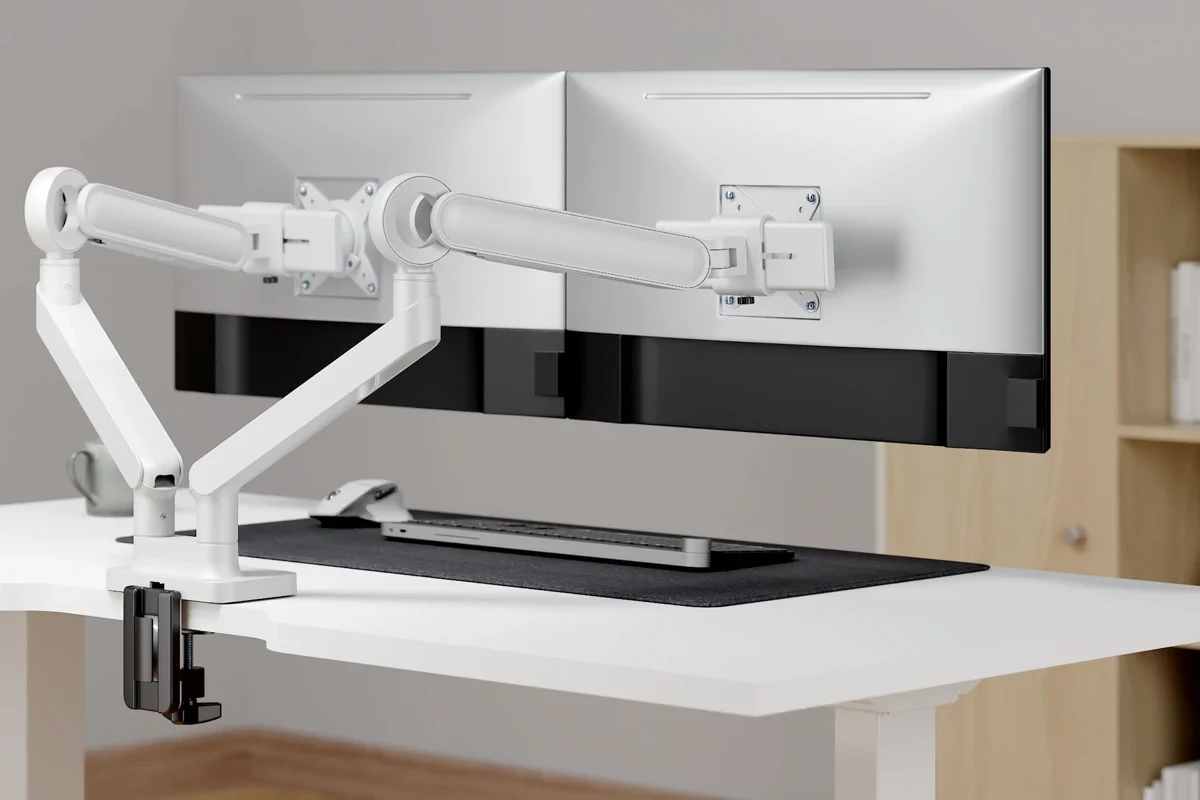
Use this guide for how to know if a monitor arm will fit as a practical checklist, then adjust the advice to your exact device model, operating system, workspace, and budget.
Key Measurements for Your Monitor and Desk
Accurate measurements are critical for assessing whether a monitor arm will fit your workspace. Key metrics to consider include VESA patterns, which indicate mounting compatibility, and the weight of your monitor, which determines suitability for various arms.
Measuring VESA Patterns
Measuring VESA patterns is essential to ensure your monitor arm will fit properly. Check your monitor’s specifications for the exact VESA dimensions, and consider using a measuring tape to confirm the distance between the mounting holes before purchasing a monitor arm.
- Check your monitor’s manual for VESA specifications.
- Common VESA sizes include 75x75mm, 100x100mm, and 200x200mm.
- Use a ruler or measuring tape for accurate measurements.
Assessing Monitor Weight and Size
Understanding your monitor’s weight and size is crucial for selecting the right monitor arm. Each arm has a specific weight limit; exceeding this can cause instability or damage. The monitor’s dimensions also affect how it integrates into your workspace.
Weigh your monitor using a scale to find its weight. Consider the screen size to ensure it fits comfortably on your desk. Check the manufacturer’s specifications for weight limits of the monitor arm. This connects closely with how to setup gosund smart plug 2 if you want to compare the topic in more detail.
| Option | Best For | What to Check |
|---|---|---|
| Standard Monitor Arm | Monitors up to 27 inches | VESA pattern, weight limit |
| Heavy-Duty Monitor Arm | Monitors over 27 inches | Weight capacity, sturdiness |
| Adjustable Arm | Multiple monitor setups | Height adjustment range |
Types of Monitor Arms and Their Features
Various types of monitor arms come with distinct features tailored to different needs. Understanding these options can help you choose the best fit for your workspace. You can also use how to setup smart plug with alexa 2 as a helpful next guide on the same tech-accessories topic.
| Type of Monitor Arm | Key Features |
|---|---|
| Fixed Monitor Arm | Sturdy, low-cost option suitable for single monitors. |
| Articulating Monitor Arm | Highly adjustable for multiple viewing angles, ideal for dynamic workspaces. |
| Dual Monitor Arm | Supports two monitors, perfect for multitasking and increased productivity. |
| Wall-Mounted Monitor Arm | Saves desk space, fixed to the wall for a clean workspace. |
Consider your workspace layout when deciding between wall-mounted and desk-mounted monitor arms.
Checking Desk and Wall Space Requirements
Before finalizing your monitor arm choice, assess the available desk and wall space. This ensures your setup is not only functional but also aesthetically pleasing.
Evaluating Desk Thickness and Material
Each monitor arm has specific requirements concerning desk thickness and material. A sturdy desk is essential for mounting a monitor arm securely, and the thickness can affect how well the arm attaches.
- Measure the thickness of your desk to ensure it fits the arm’s clamp or mount.
- Consider the material; wooden desks may require different mounting techniques than metal ones.
- Check if the arm has specific mounting requirements related to desk materials.
Wall-Mounted vs. Desk-Mounted Options
Choosing between wall-mounted and desk-mounted monitor arms can significantly influence your workspace. Wall-mounted options save desk space but require wall drilling, while desk-mounted arms offer more flexibility in positioning. For related context, you may also want to read how to setup kasa smart plug for effortless home automation.
Small details such as port type, charger wattage, firmware version, desk space, and app permissions can completely change the right answer.
Step-by-Step Guide to Choosing the Right Monitor Arm
Choosing the right monitor arm involves several steps to ensure a perfect fit for your setup. Following this guide will simplify your decision-making process.

Gathering Necessary Tools and Materials
Before installation, gather all necessary tools and materials. This includes the monitor arm, screws, a screwdriver, and possibly a level to ensure proper alignment.
Prepare a flat surface for assembly. Have a friend help if the monitor is heavy. Use a level to check that the monitor is straight after mounting.
Installation Tips for a Secure Setup
Installation tips can significantly improve the stability of your monitor arm. Make sure to securely fasten all screws and brackets, and consider using a level to ensure your monitor is perfectly aligned for optimal viewing and comfort. For setup context, how to setup gosund smart plug can help you compare similar setup details.
- Attach the arm to the desk or wall.
Ensure it’s securely fastened and can support the monitor’s weight.
- Mount the monitor onto the arm.
Follow the VESA pattern to secure the monitor properly.
- Adjust the arm to your preferred height and angle.
Test the adjustments to ensure smooth operation.
- Write down the exact error or behavior before changing settings.
- Test with another cable, port, or device when safe.
- Keep firmware, drivers, and apps updated from official sources.
Common Mistakes to Avoid When Selecting a Monitor Arm
While selecting a monitor arm may seem straightforward, common pitfalls can lead to compatibility issues or installation difficulties. Avoiding these mistakes will save time and frustration. This also connects with how to setup smart plug with alexa if you want to avoid a similar setup or buying mistake.
- Don’t overlook the weight capacity of the arm.
- Failing to measure the VESA pattern accurately can lead to purchasing the wrong arm.
- Forgetting to check the desk’s thickness before buying a clamp-style arm.
Safety and Stability Considerations
Safety and stability considerations help prevent potential hazards when using a monitor arm. Ensure your desk can support the weight of the monitor and the arm, and periodically check for any signs of wear or loosening over time.
Understanding Load Capacity and Stability
Each monitor arm comes with a specified load capacity. Understanding this is vital to ensuring the arm can safely support your monitor without risk of failure.
Always check the manufacturer’s weight limits. Consider the arm’s construction material for long-term stability. Review user feedback on stability under various conditions.
Ensuring Proper Cable Management
Proper cable management not only enhances the aesthetics of your workspace but also prevents tangling and potential damage to cables. Most monitor arms come with cable management features. For related context, you may also want to read how to setup kasa smart plug.
- Use ties or clips to keep cables organized.
- Consider arms with built-in cable management systems.
- Regularly check cables for wear and tear.
This guide on how to know if a monitor arm will fit is written for general digital-information education. For specifications, compatibility, prices, availability, firmware/software versions, warranty terms, recalls, privacy settings, or safety limits, confirm details with the official manual, manufacturer page, retailer listing, warranty document, or current support notice before acting.
Key Considerations for Choosing the Right Monitor Arm
Key considerations for choosing the right monitor arm include understanding your monitor’s weight and dimensions. Always check the manufacturer’s guidelines for weight limits and compatibility to ensure your setup is both functional and secure. This connects closely with how to setup amazon smart plug if you want to compare the topic in more detail.
Final Words
Final words emphasize the importance of choosing a monitor arm that enhances your workspace ergonomically. After evaluating your specific needs and preferences, make sure to review installation instructions carefully to achieve the best results for your setup.
💡 Sufiya Begom's Setup Advice: Check VESA support, screen weight, desk thickness, eye level, cable clearance, and stability before buying or mounting any monitor accessory.
Frequently Asked Questions
Questions about Monitor Arm often depend on the exact model, connection method, software support, and daily use case. Similar products can behave differently even when they look alike or share a category name. Check current manufacturer documentation whenever compatibility, safety, privacy, firmware, or warranty details affect the answer.
Start with intended use, fit, verified specifications, safety instructions, care needs, and important limitations.
Start with the exact Monitor Arm model, connection method, compatibility requirements, and the specific result you need. Current manufacturer documentation is the safest place to confirm details that vary by model.
Check the operating system, ports or wireless standard, power requirements, app or driver support, and any ecosystem limitations that apply to the exact setup.
A common mistake is treating every Monitor Arm product or setup as interchangeable. Similar-looking models can differ in ports, software support, power needs, dimensions, or privacy controls.
Use the cleaning, ventilation, inspection, charging, storage, and update guidance that applies to the product type. Disconnect power first whenever the manufacturer instructions require it.
Stop and seek official support when the problem involves overheating, damaged power hardware, unstable mounting, repeated failures, data loss, or a privacy concern you cannot resolve safely.

Sufiya Begom is a Passionate Digital Innovator and the Visionary Founder of the Dynamic Platform, Digital Pro Info. With a deep-rooted enthusiasm for digital technologies, Sufiya has built a comprehensive space that offers valuable insights into digital products, reviews, guides, software, and sales, empowering individuals to make informed decisions in the ever-evolving digital landscape.