
To adjust Humanscale dual monitor arm, unlock the tension knobs to set the weight of your monitors, then position the arms to your desired height and angle. Finally, tighten the knobs to secure the adjustments for optimal use.
Last updated: November 24, 2026
Adjusting the Humanscale Dual Monitor Arm is vital for establishing an ergonomic workspace that enhances comfort and productivity. Whether you’re at home or in the office, knowing how to adjust the monitor arm correctly can significantly improve your setup.
- Start with the setup: Device model, OS, ports, power needs, and workspace change the right answer.
- Check compatibility first: Verify specifications, drivers, firmware, app support, warranty, and return policy before acting.
- Use practical steps: Change one setting or product variable at a time so you can see what.
- Know the limits: Tech advice varies by model, brand, operating system, retailer, firmware version, and official support.
How to Adjust Humanscale Dual Monitor Arm for Optimal Use
The Humanscale Dual Monitor Arm provides flexibility and support, enabling users to position their monitors to match their workflow. Understanding the key adjustments will help you get the most out of your dual monitor setup. For related context, you may also want to read how to use fire stick without remote.
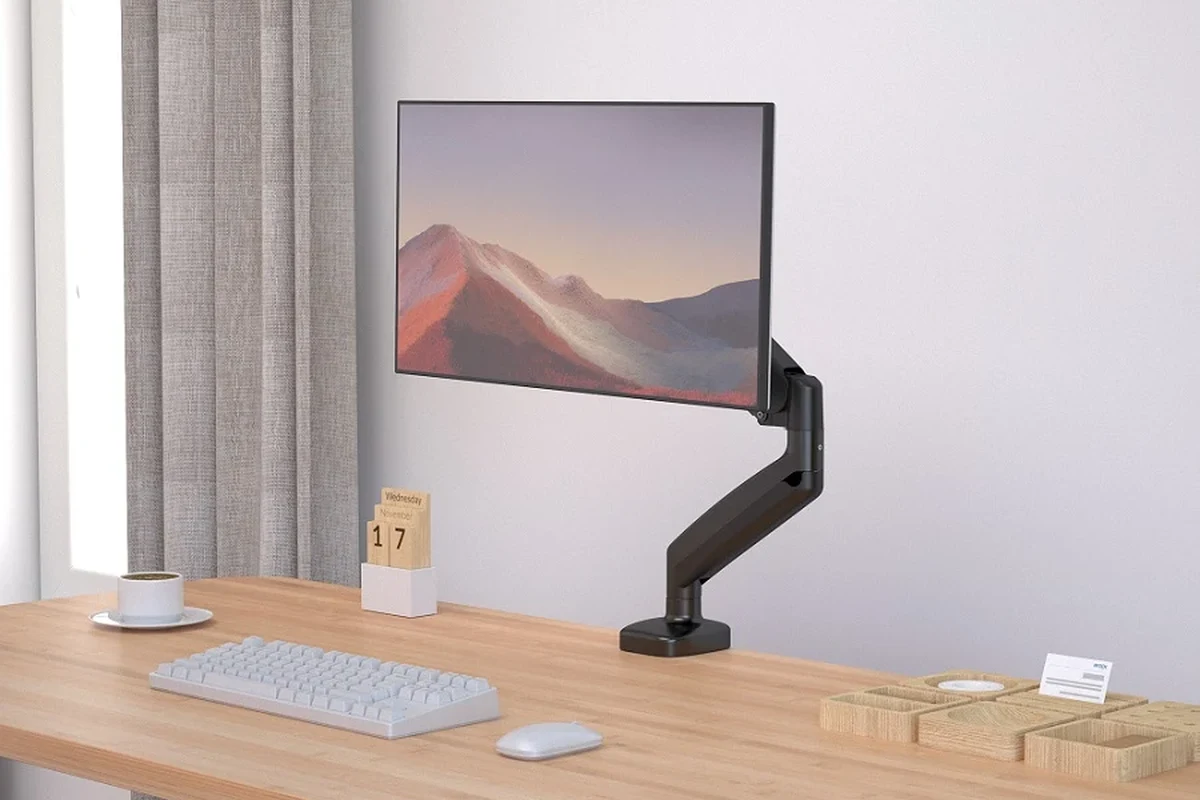
Understanding the Components of the Humanscale Dual Monitor Arm
Before adjusting the monitor arm, familiarize yourself with its components. The Humanscale Dual Monitor Arm consists of several key parts that facilitate its adjustability, such as the mounting bracket, vertical pole, and tension adjustments. Knowing these parts will help you navigate the adjustment process more easily.
Components Overview
Each part of the dual monitor arm plays a specific role in its functionality. The mounting bracket secures the monitors, while the vertical pole provides height adjustability. Tension knobs help in adjusting the resistance of the arms, allowing for smooth movement. This connects closely with how to use lockly smart lock if you want to compare the topic in more detail.
Use this guide for how to adjust humanscale dual monitor arm as a practical checklist, then adjust the advice to your exact device model, operating system, workspace, and budget.
Step-by-Step Guide to Adjusting Your Monitor Arm
Adjusting your Humanscale Dual Monitor Arm involves a series of steps that ensure your monitors are positioned correctly for comfort and efficiency. Follow these instructions carefully for the best results.
| Adjustment Step | Description |
|---|---|
| Height Adjustment | Use the adjustment lever to raise or lower the monitor to eye level. |
| Tilt Adjustment | Loosen the tilt knob to angle the monitor for reduced glare. |
| Swivel Adjustment | Rotate the monitor to adjust the viewing angle as needed. |
| Depth Adjustment | Slide the monitor forward or backward for optimal viewing distance. |
Checking the Initial Setup
Start by assessing your current monitor arm setup. Ensure it is securely mounted to your desk and that the monitors are properly attached to the arm. This will provide a stable base for adjustments.
- Confirm that the mounting bracket is tight and secure.
- Check that the monitors are level and aligned with each other.
- Ensure there is adequate space for movement without obstruction.
Adjusting Height and Angle
Adjusting the height and angle of your Humanscale Dual Monitor Arm is essential for achieving ergonomic comfort. Make sure to position your monitors at eye level to reduce neck strain, keeping in mind the optimal viewing distance based on your workspace layout.
- Adjust the height:
Loosen the tension knob located at the base of the vertical pole. Slide the monitor arm up or down to reach the desired height, then tighten the knob to secure it in place.
- Change the angle:
To tilt the monitors, locate the tilt adjustment lever on the mounting bracket. Gently push it to tilt the screen forward or backward until it’s at a comfortable viewing angle.
Managing Monitor Depth and Orientation
Managing the depth and orientation of your monitors helps improve visibility and minimize glare. Ensure that your screens are angled correctly to reduce reflections from overhead lighting, enhancing your overall viewing experience in any setup. You can also use how to use a smart plug with alexa as a helpful next guide on the same tech-accessories topic.
- Adjust depth:
Pull the monitor forward or push it back along the arm’s extension. Ensure that the monitors are at a distance that allows for comfortable viewing.
- Rotate the monitors:
To change the orientation, gently rotate the monitor at the base of the mounting bracket. This allows you to switch between landscape and portrait modes as needed.
Small details such as port type, charger wattage, firmware version, desk space, and app permissions can completely change the right answer.
Common Mistakes When Adjusting a Dual Monitor Arm
When adjusting the Humanscale Dual Monitor Arm, users often make several common mistakes that can affect ergonomics and monitor performance. Recognizing these pitfalls can help you avoid them.
Not securing the monitors properly, leading to instability. Setting monitors at inappropriate heights, causing neck strain. Failing to manage cable organization, leading to clutter and potential damage. This also connects with how to use smart plugs 2 if you want to avoid a similar setup or buying mistake.
- Write down the exact error or behavior before changing settings.
- Test with another cable, port, or device when safe.
- Keep firmware, drivers, and apps updated from official sources.
Safety Considerations for Monitor Arm Setup
Safety considerations are vital when setting up or adjusting your monitor arm. Always check that the arm is securely mounted and that cables are managed to prevent tripping hazards, ensuring a safe and efficient workspace for your daily tasks. For related safety context, compare this with how to use amazon basics smart plug.
- Check the weight limit of the dual monitor arm to prevent overloading.
- Ensure that the desk or mounting surface is sturdy enough to support the arm’s weight.
- Regularly inspect the arm for signs of wear or damage.
Compatibility Checks for Your Monitors
Before adjusting your Humanscale Dual Monitor Arm, it’s important to ensure that your monitors are compatible with the arm. Here are a few compatibility checks:
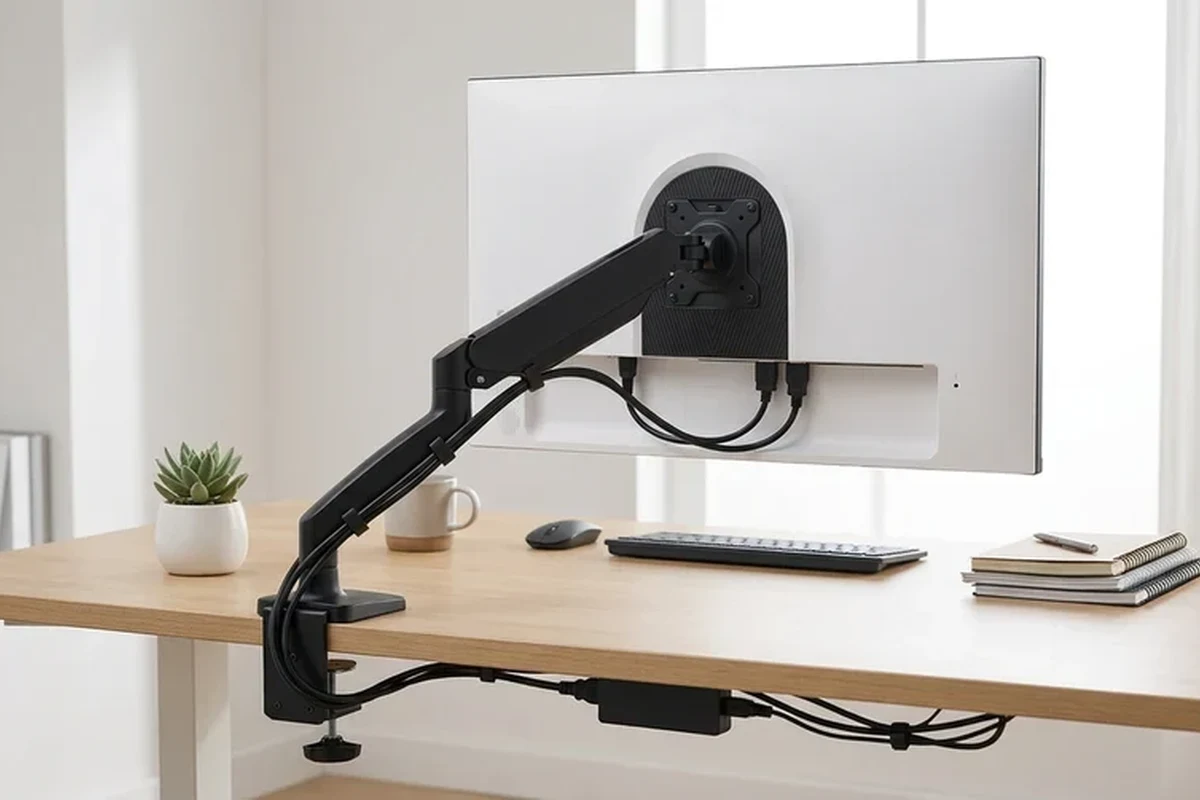
Verify the VESA mount specifications of your monitors. Check the weight of your monitors to ensure they are within the arm’s capacity. Ensure that the width and height of your monitors fit the mounting bracket. You can also use how to connect alexa smart plug for effortless control as a helpful next guide on the same setup or usability topic.
Use official support or warranty guidance if the issue involves overheating, power, damaged cables, unstable mounting, privacy risk, data loss, or repeated failures.
Maintenance Tips for Longevity
Regular maintenance of your dual monitor arm will help keep it functioning smoothly for years. Periodically check for loose screws or worn-out components, and clean the arm to prevent dust buildup, contributing to its longevity and reliability. For related context, you may also want to read how to set up a smart plug for effortless home automation.
- Regularly clean the arm to remove dust and debris.
- Inspect the tension knobs and joints for wear and adjust as needed.
- Keep cables organized to prevent tangling and damage.
When to Consider Replacement of Your Monitor Arm
Recognizing when to replace your monitor arm can save you from ergonomic issues and potential damage. Look for signs like difficulty adjusting the arm or persistent monitor drooping, indicating that it may be time for a new unit to maintain optimal performance.
Visible wear and tear on the arm or brackets. Failure to hold the monitors in place securely. Difficulty in making adjustments due to stiff joints. This connects closely with what to use smart plugs for to simplify your home automation if you want to compare the topic in more detail.
This guide on how to adjust humanscale dual monitor arm is written for general digital-information education. For specifications, compatibility, prices, availability, firmware/software versions, warranty terms, recalls, privacy settings, or safety limits, confirm details with the official manual, manufacturer page, retailer listing, warranty document, or current support notice before acting.
What This Means for Home Office Enthusiasts
For home office enthusiasts, understanding how to adjust the Humanscale Dual Monitor Arm is vital for creating a comfortable and ergonomic workspace. These adjustments can enhance productivity and reduce fatigue during long work hours. A well-set-up monitor arm allows for easy collaboration and flexibility in your working environment.
Final Words
Effective adjustment of your Humanscale Dual Monitor Arm enhances your productivity and comfort. By implementing the adjustments and maintenance tips provided, you can optimize your workspace and ensure your monitors are always positioned to meet your needs.
💡 Sufiya Begom's Setup Advice: Check VESA support, screen weight, desk thickness, eye level, cable clearance, and stability before buying or mounting any monitor accessory.
Frequently Asked Questions
Questions about Monitor Arm often depend on the exact model, connection method, software support, and daily use case. Similar products can behave differently even when they look alike or share a category name. Check current manufacturer documentation whenever compatibility, safety, privacy, firmware, or warranty details affect the answer.
Start with intended use, fit, verified specifications, safety instructions, care needs, and important limitations.
Start with the exact Monitor Arm model, connection method, compatibility requirements, and the specific result you need. Current manufacturer documentation is the safest place to confirm details that vary by model.
Check the operating system, ports or wireless standard, power requirements, app or driver support, and any ecosystem limitations that apply to the exact setup.
A common mistake is treating every Monitor Arm product or setup as interchangeable. Similar-looking models can differ in ports, software support, power needs, dimensions, or privacy controls.
Use the cleaning, ventilation, inspection, charging, storage, and update guidance that applies to the product type. Disconnect power first whenever the manufacturer instructions require it.
Stop and seek official support when the problem involves overheating, damaged power hardware, unstable mounting, repeated failures, data loss, or a privacy concern you cannot resolve safely.

Sufiya Begom is a Passionate Digital Innovator and the Visionary Founder of the Dynamic Platform, Digital Pro Info. With a deep-rooted enthusiasm for digital technologies, Sufiya has built a comprehensive space that offers valuable insights into digital products, reviews, guides, software, and sales, empowering individuals to make informed decisions in the ever-evolving digital landscape.